

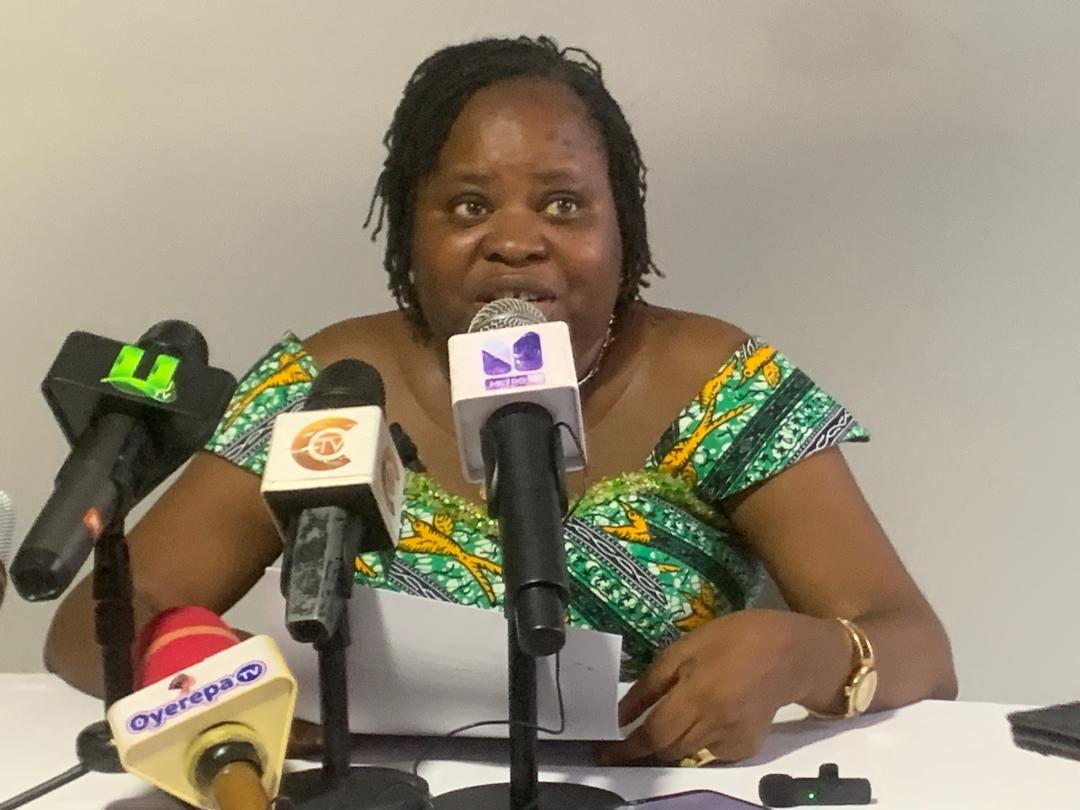
The Chairperson of the International Diabetes Federation (IDF) Africa Region and President of the National Diabetes Association of Ghana (NDAG), Mrs. Elizabeth Esi Denyo, has revealed that 4.2 million Ghanaians are living with diabetes.
According to her, the data from IDF Diabetes Atlas and national studies paint a grim picture as diabetes prevalence in Ghana is soaring affecting many adults while a larger number with pre-diabetes conditions unaware, making it a ticking time bomb.
On Tuesday, November 4, 2025, Mrs. Danyoh announced this as Ghana participated in the global launch of the 2025 World Diabetes Day campaign themed “Diabetes and Wellbeing.” She passionately called for a nationwide transformation in diabetes care, awareness, and support.
During her speech in Accra, she encouraged the government, health organizations, businesses, and the public to take a comprehensive approach to diabetes management—one that includes not just blood sugar control but also physical, mental, social, and economic wellbeing.
The Nation President referred to diabetes as a “silent but fierce epidemic” that poses a threat to Ghana’s health and productivity. She expressed concern over the increasing number of undiagnosed cases and the severe impact on families and livelihoods.
“It is the father in Kumasi who loses his job after an amputation, the market woman in Makola who struggles with blindness, and the teenager in Ho who faces stigma for using insulin,” she said, putting a human face on the crisis beyond mere numbers.
She emphasized that wellbeing should be a priority in the national health agenda, advocating for universal access to affordable medications and consistent care.
Mrs, Danyoh also called for local production of insulin, tax exemptions on essential supplies, and the integration of regular diabetes and hypertension screenings at all healthcare levels.
Discussing mental health, she pointed out that managing diabetes can often result in emotional distress, burnout, and depression. Therefore, she emphasized the need for psychological support to be included in regular care, as well as the establishment of peer-support networks to fight against isolation and stigma.
Mrs. Denyoh also pushed for national education on healthy eating practices, a decrease in ultra-processed foods, and the encouragement of traditional Ghanaian dishes made with less oil, salt, and sugar.
Economically, she called on corporate Ghana to adopt non-discriminatory workplace policies, offer health insurance that includes diabetes coverage, and back wellness programs for their employees.
She urged the government to declare diabetes a national health priority and to ensure full funding for the implementation of the National Diabetes Policy and Strategy.
Additionally, she reiterated the need for a Sugar-Sweetened Beverages Tax and for the National Health Insurance Scheme (NHIS) to encompass all aspects of diabetes care, such as test strips, insulin, and educational services.
She requested the media to go beyond sporadic coverage and to promote consistent, educational, and destigmatizing narratives about diabetes, while encouraging every Ghanaian to take personal responsibility for prevention and support.
In closing, Mrs. Denyoh reminded everyone that the blue circle—the global symbol of diabetes awareness—stands for unity, hope, and shared responsibility. “Let us not leave here as mere attendees but as soldiers in the army of wellbeing,” she proclaimed. “Let every Ghanaian living with diabetes say, ‘I am not defined by my condition; I live a life of dignity, purpose, and complete wellbeing.'”