

Says Broken Trust and Insensitivity Behind NPP’s Fall
By Nelson Ayivor
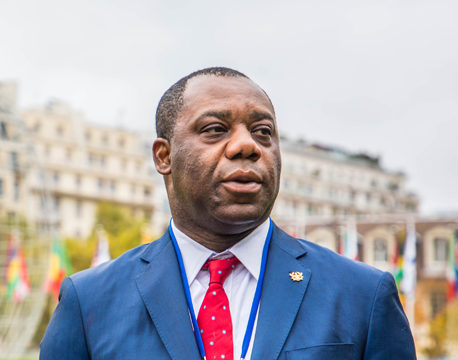
Dr. Mathew Opoku-Prempeh, known widely as NAPO and the 2024 presidential running mate of the opposition New Patriotic Party (NPP), has offered a candid appraisal of the party’s devastating loss in the recent elections, pinpointing a fundamental breakdown in trust between the Akufo-Addo–Bawumia administration and the Ghanaian populace.
In a measured yet forthright address, Dr. Opoku-Prempeh articulated that the NPP’s fall from power was not an isolated incident but rather the result of a series of political misjudgments compounded by global shocks and a profound failure to heed the concerns of Ghanaians.
His insights provide a rare insider acknowledgment of the missteps that plagued an administration that once touted competence and stability, yet ultimately presided over Ghana’s most significant economic crisis in decades.
Having previously helmed the Ministries of Education and Energy and represented Manhyia South in Parliament, Dr. Opoku-Prempeh disclosed that the NPP’s internal review revealed just how frayed the social contract had become by Election Day. He emphasized that the government grossly underestimated the rising tide of public discontent, often misinterpreting the signs when they were acknowledged.
Reflecting on the broader context, he noted, “We have descended into the worst global economic climate, both medically and financially. Across the world, governments have been toppled, with few exceptions among autocratic regimes.”
His remarks draw attention to a global climate that has seen governments wrestling with inflation, disrupted supply chains, and health crises while struggling to maintain public trust. For Ghana, these international pressures collided with pre-existing domestic vulnerabilities, exacerbating the economic turmoil experienced by ordinary citizens.
“A container from China that cost $1,200 for logistics now costs $14,000. People’s lifetime savings have been obliterated. We witnessed unprecedented fatalities without a military coup or world war,” he lamented.
Dr. Opoku-Prempeh’s reflections come against the backdrop of the NPP’s historic electoral defeat on December 7, 2024. The party lost the presidency and its parliamentary majority in one of the most emphatic elections in Ghana’s Fourth Republic, with President John Dramani Mahama returning to power after garnering 56.55% of the vote. The NPP’s candidate, Dr. Mahamudu Bawumia, managed only 41.61%, reflecting a drop of more than 1.8 million votes compared to 2020.
Internal reviews conducted by the party, spearheaded by a committee led by Professor Aaron Mike Oquaye, have reportedly identified various failures, although the complete findings remain unpublished.
Analysts have underscored systemic issues within the NPP, including unresolved factionalism, discontent at the grassroots level over delegate selection, and a growing perception of arrogance among certain appointees.
Dr. Opoku-Prempeh did not shy away from acknowledging that the NPP could have communicated more effectively and responded sensitively to the escalating cost of living crisis.
The country’s worst economic challenges in decades, featuring rampant inflation, excessive taxation, and a depreciating cedi, created fertile ground for voter dissatisfaction.
For many Ghanaians, newly imposed taxes like the e-levy and betting tax became symbols of a government disconnected from the daily struggles of its citizens. Accusations of corruption and conspicuous consumption among some officials further diminished the moral standing the NPP had once enjoyed.
While NAPO recognized the depth of the global crises, his comments also imply an acknowledgment that the NPP’s electoral defeat was, in part, self-inflicted. His assertion that the government “didn’t listen enough” resonates with a broader critique voiced by the public and political commentators alike: that the party failed to adequately address public anxieties or adapt its governance to meet the gravity of the current moment.
Dr. Opoku-Prempeh’s reflections signal a growing readiness within the NPP to confront its failures as it looks toward future elections. The party’s forthcoming efforts for internal restructuring and reform will likely be influenced by insights like these, as its leaders seek to rebuild trust and reposition the NPP as a credible contender in the 2028 general elections.