

By Prince Ahenkorah
Ghana’s opposition New Patriotic Party (NPP) has rolled out sweeping constitutional amendments on December 3, 2025, in a bid to shore up its fractured structures and recapture voter momentum after the bruising 2024 election loss to the ruling NDC.
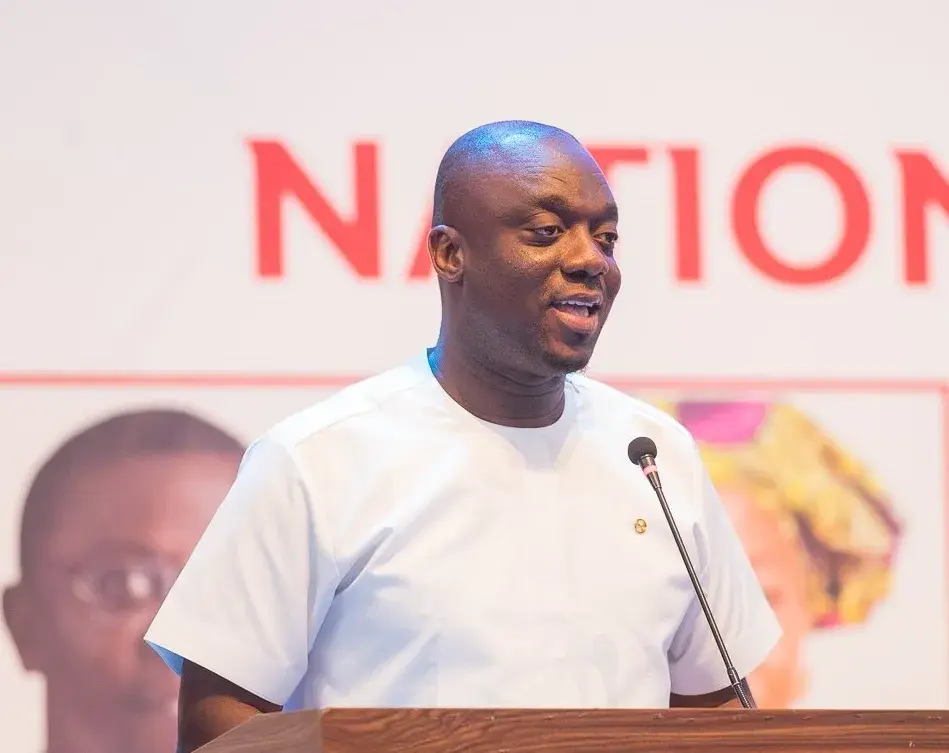
General Secretary Justin Kodua Frimpong, unveiling the revisions, pinpointed internal disarray particularly the alienation of former executives and a botched communication apparatus as key culprits behind the defeat, which saw widespread apathy erode turnout among loyalists.
“These changes tackle the root causes of our setback, from neglected members to uncoordinated messaging that let achievements go unsung,” Kodua asserted, framing the overhaul as a reset for enhanced engagement and electoral agility.
Central to the reforms is an expanded electoral college, now granting voting rights to ex-district and national executives a direct antidote to the indifference that plagued 2024.
“Voter apathy stemmed from sidelined veterans; this inclusion rebuilds trust and unity,” he explained, aiming to reinvigorate grassroots enthusiasm ahead of internal primaries and the 2028 showdown.
Kodua also conceded flaws in the party’s publicity machinery, where fragmented efforts among communication leads failed to counter public scepticism.
“We accomplished much, but poor coordination meant voters never heard it that’s fixed now,” he noted, with the amendments mandating streamlined strategies to amplify the NPP’s narrative.
This strategic pivot reflects hard lessons from the polls, where internal rifts and perceptual gaps amplified NDC gains.
By valuing alumni input and tightening coordination, the NPP seeks a more cohesive, responsive outfit poised to challenge Mahama’s incumbency, though success hinges on bridging urban-rural divides and navigating youth disillusionment.