

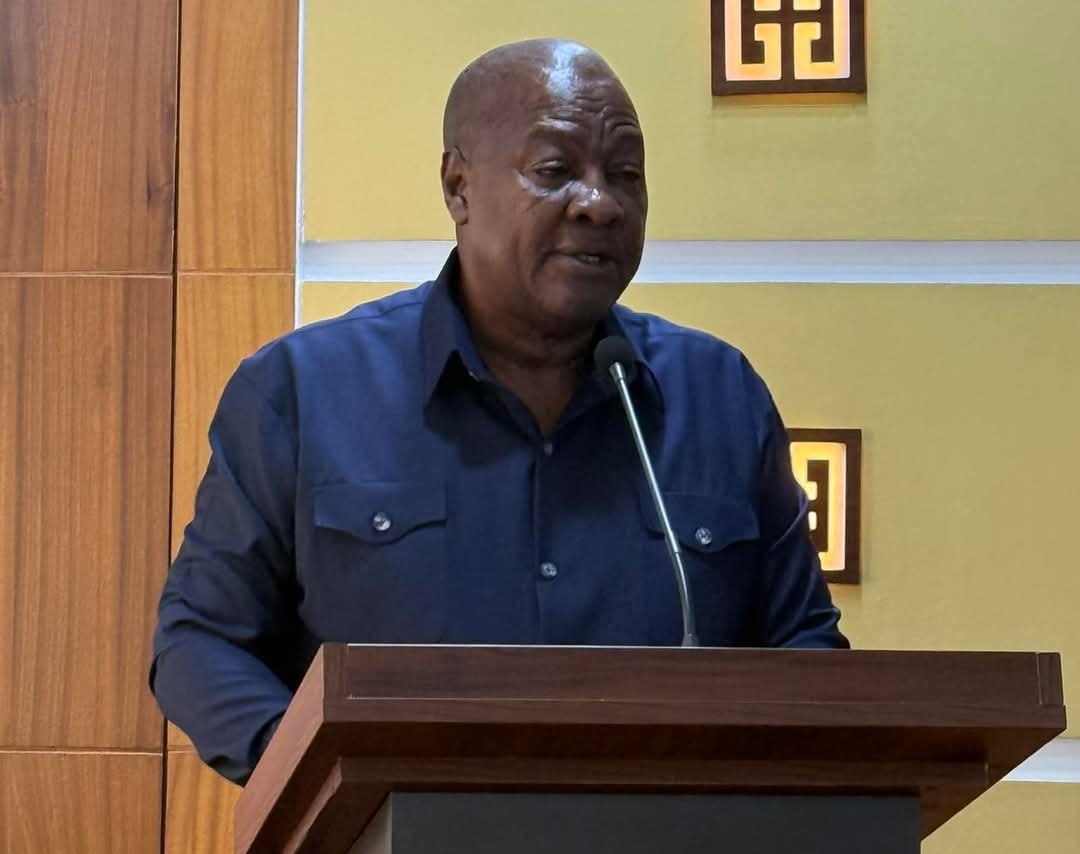
By Nelson Ayivor
Ghanaian President John Dramani Mahama warned on Friday that sky-high interest rates on agricultural loans are strangling the country’s farming sector and called for immediate cuts to single-digit levels, or risk jeopardising national food security and rural livelihoods.
Speaking at the 41st National Farmers’ Day celebration in Ho, the capital of Volta Region, Mahama said exorbitant lending costs are forcing farmers into a debt trap, where repayments devour profits and deter investment in vital tools and seeds.
“Farmers should not be taking loans only to end up using all their profits to repay the banks,” he told a crowd of thousands, including award-winning growers and policymakers. “We must provide credit at single-digit rates so our farmers can grow to feed Ghana.”
The event, held under the theme of bolstering resilience amid climate challenges, highlighted Ghana’s agriculture woes: high rates often exceeding 30% make expansion unaffordable for smallholders who produce 70% of the nation’s food. Mahama, returning to power in January after a 2024 election victory, linked the issue to broader economic pressures, including inflation hovering around 20% and a cedi currency weakened by global commodity swings.
He spotlighted the human toll, noting many farmers “work for the banks instead of working for themselves,” and urged the Bank of Ghana to prioritise low-cost credit for crops, irrigation, and mechanisation. Such reforms, he argued, would slash import reliance Ghana spends over $2 billion annually on food and draw youth into farming, where the average farmer is now over 50 years old.
Mahama outlined his administration’s push: expanding irrigation to cover 100,000 more hectares by 2030, subsidising tractors and fertilisers, and upgrading market links to cut post-harvest losses by 30%. “Affordable financing is key to transforming agriculture into a powerhouse for jobs and growth,” he said, vowing to convene lenders and farmers for policy tweaks within months.
The address drew applause from attendees but drew fire from opposition figures, who called it “election rhetoric” without fresh funding pledges. Economists echoed Mahama’s urgency, warning that without rate relief, Ghana’s agriculture contributing 20% to GDP could contract further amid droughts and rising input costs.
The central bank, which last cut its policy rate to 28% in November, has signalled more easing if inflation eases, but analysts say targeted farm loans may require government guarantees to hit single digits.