

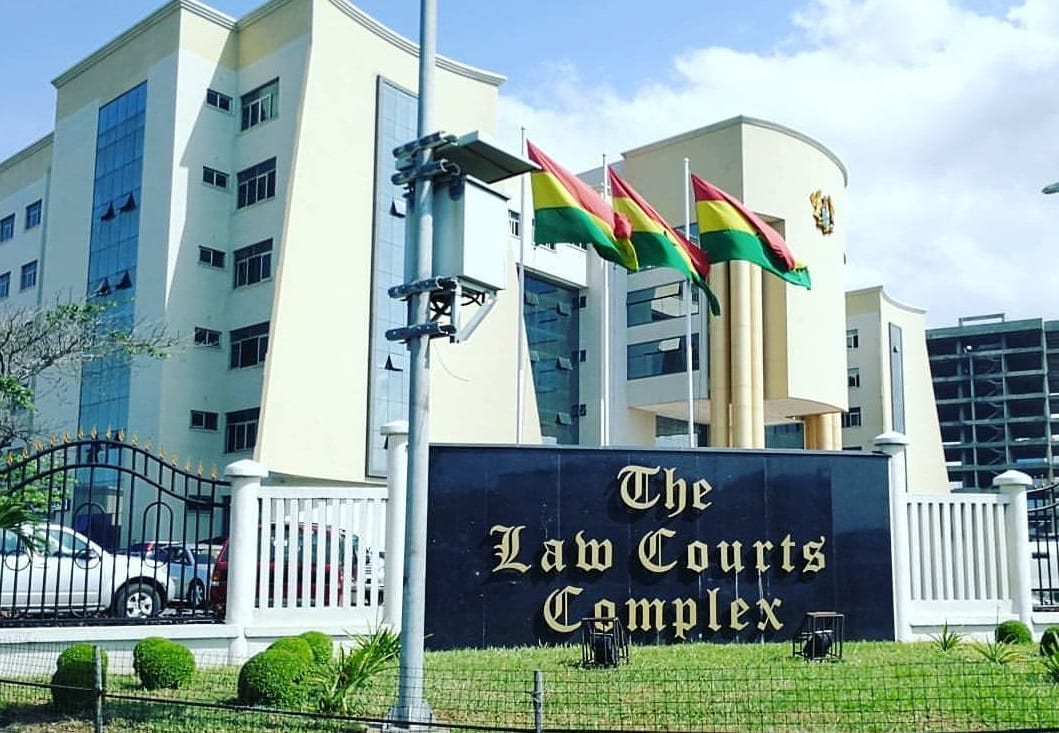
Judiciary Staff Declare Indefinite Strike
By Gifty Boateng
Ghana’s justice delivery system is set to grind to a complete halt on Monday as the Judicial Service Staff Association of Ghana (JUSAG) has declared an indefinite nationwide strike.
The industrial action, triggered by the government’s failure to pay eight months of constitutionally mandated salary arrears, threatens to plunge the nation’s legal framework into paralysis and represents a severe test for the Mahama administration’s relationship with organized labor.
In a terse notification to the National Labour Commission, JUSAG’s National President, Samuel Afotey Otu, stated that staff “can no longer take the words of government” and will down tools indefinitely beginning January 19, 2026.
The strike will continue “until our demand for payment of the eight (8) months’ salary arrears from January to August 2025 is fully met.”
The crisis stems from a 10% base pay increase for Judicial Service workers approved by President John Mahama and organized labor, effective January 1, 2025, under Article 149 of the Constitution.
While other public sector workers saw immediate implementation, the adjustment for judiciary staff was delayed until September 2025, with assurances that the accrued arrears for January through August would be paid subsequently.
That promise, JUSAG asserts, has been broken. Despite a formal understanding that payments would be made before the end of the 2025 fiscal year and a specific December 16, 2025, management letter assuring payment, the arrears remain outstanding.
“The festive month of December was one of the most difficult moments for staff who were very expectant… only to be met with shock and disappointment,” JUSAG’s strike notice lamented, highlighting the profound personal hardship inflicted on court clerks, registrars, and other essential judicial personnel.
The strike poses an immediate and profound threat to the administration of justice. With courts across the country ceasing operations, thousands of cases from criminal trials to civil disputes and commercial litigation will be frozen indefinitely. This gridlock risks creating a dangerous backlog, undermining constitutional rights to timely justice, and eroding public confidence in the legal system.
JUSAG emphasized the criticality of its members’ role, noting that the delay “undermines their ability to serve effectively” in maintaining law and order. The association’s move follows what it describes as “countless engagements and correspondents” that have failed to yield results.
This industrial action presents a major political and governance challenge for the government. It exposes a stark disparity in the treatment of different public sector workers and suggests a failure in budgetary execution and commitment. The strike also revives potent narratives of unfulfilled promises to key constituencies.
As of press time, there has been no official response from the Ministry of Finance or the Presidency detailing a concrete plan to avert the shutdown. The silence raises urgent questions about the government’s contingency planning and its capacity to manage a crisis that will touch every citizen and business that interacts with the judicial system.
The coming days will reveal whether last-minute negotiations can avert a full-blown institutional crisis or if Ghana’s halls of justice will fall silent, waiting for a government to honor its own constitutional agreement.