

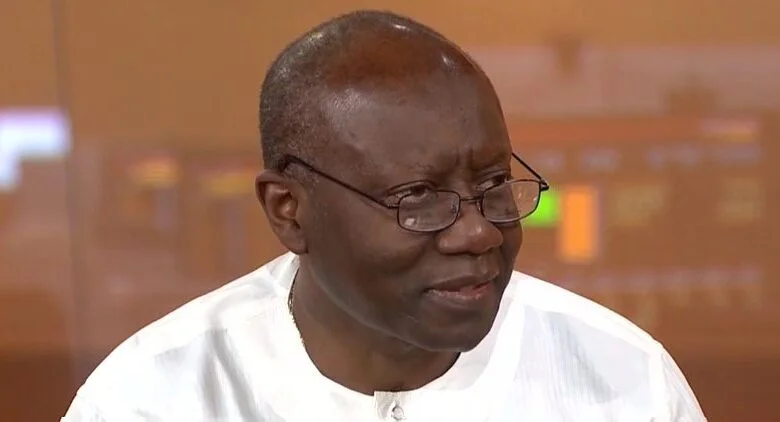
Angry Mob Storms US Embassy to Drag ‘VIP Fugitive’ Former Minister Home to face Justice
The political and legal saga surrounding former Finance Minister Ken Ofori-Atta has erupted onto the streets of Accra, as pressure group Arise Ghana stages a major protest at the US Embassy demanding his expedited extradition.
The demonstration underscores the deep public anger over high-profile impunity but also reveals the complex, shadowy negotiations occurring behind the scenes to manage his return and potential trial.
Organisers of today’s picket, using the hashtag #BringBackKenOfori-Atta, are demanding Washington reciprocate Ghana’s past cooperation in extraditing citizens to the US.
Their call for “serious action” comes as the former minister, a first cousin of ex-President Nana Akufo-Addo, remains in US custody following his arrest by Immigration and Customs Enforcement (ICE) on 6 January for visa violations.
He is wanted in Ghana on 78 corruption-related charges filed by the Office of the Special Prosecutor (OSP), having left Ghana in January 2025 under the pretext of medical care.
Significantly, the protest has garnered vocal support from prominent civil society figure Franklin Cudjoe of IMANI-Africa, who sarcastically argued Ofori-Atta must return because “a royal should not be grouped with criminals” in a US detention centre. Cudjoe’s appeal for other CSOs to join signals an attempt to build a broad, morally-charged coalition framing extradition as a matter of national dignity, not just legal procedure.
However, this public pressure campaign contrasts sharply with discreet diplomatic manoeuvres. Ghana’s Ambassador to the US, Victor Emmanuel Smith, revealed on local television that he was contacted by Ofori-Atta’s cousin and influential lawyer, Gabby Asare Otchere-Darko.
Otchere-Darko reportedly sought assurances that the former minister would receive “fair treatment” and face only a legal process, not political persecution, if he returned voluntarily. This backchannel inquiry points to ongoing efforts to negotiate terms for a managed surrender, potentially to avoid a protracted and politically volatile extradition battle.
Ambassador Smith confirmed he attempted a consular visit to Ofori-Atta at the Caroline Detention Facility in Virginia, but the request was refused first on the grounds of lacking legal counsel, and then categorically, “with or without his lawyers.”
This refusal suggests Ofori-Atta’s legal team is carefully controlling all communication, possibly to strengthen his position in any asylum or extradition hearings. Smith also noted the former minister has since been moved to an undisclosed location ahead of a virtual court hearing scheduled for today.
The situation presents a multifaceted dilemma for the Ghanaian government. While public sentiment and the OSP’s mandate demand a swift, transparent extradition, the administration may fear the unpredictable political fallout of a televised trial of Akufo-Addo’s cousin and former finance chief.
The proceedings risk exposing sensitive cabinet-level decisions and could become a focal point for opposition attacks. Furthermore, any perception of a “soft” deal negotiated through backchannels could shatter public trust.
For the US, the case is a diplomatic tightrope, balancing law enforcement cooperation with Ghana against the legal rights of the detainee and the potential political sensitivity of the case.
The outcome hinges on whether Ofori-Atta fights extradition through the US courts or opts for a negotiated return, a decision likely being weighed against the temperature of public anger now being demonstrated at the embassy gates in Accra.