

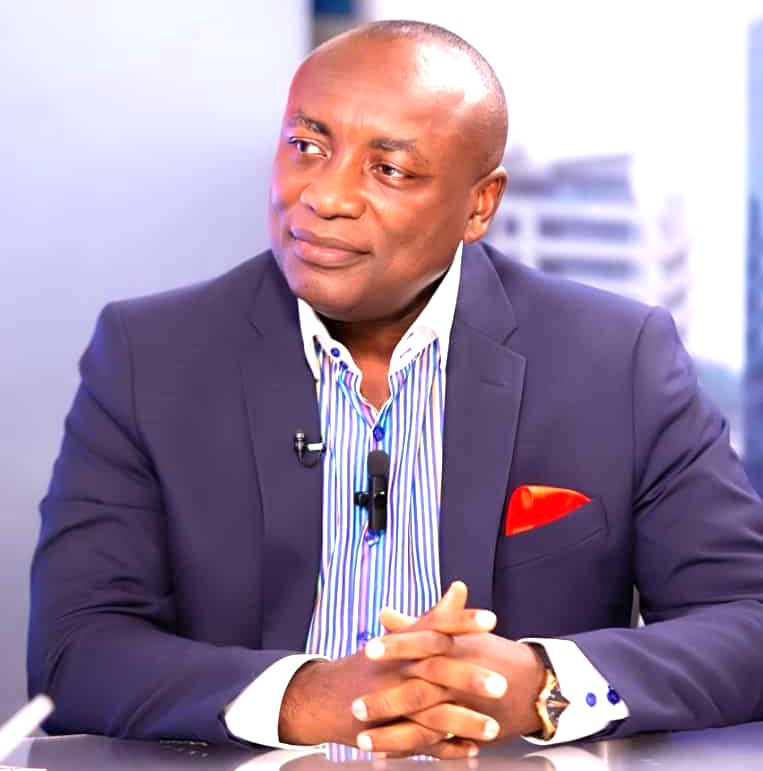
Kwabena Agyapobng’s Shocking Claim as He Vows to Resurrect NPP
Kwabena Agyei Agyepong, one of the contenders in the New Patriotic Party’s (NPP) flagbearer race, has launched a starkly candid campaign, framing himself as the sole candidate capable of rescuing the party from a self-inflicted “fallen state.”
In a press briefing to unveil his policy agenda, the former General Secretary declared the party is “not in a good place” and suffering from divisions that threaten its electoral future.
His diagnosis points to deep internal fractures following the NPP’s defeat in the 2024 general elections. Agyepong warned that these rifts risk alienating the party’s traditional support base ahead of the 2028 polls. His core message to delegates, who vote on 31 January, is that only a fundamental reset led by a unifying outsider implicitly himself can restore the party’s fortunes.
Agyepong’s proposed recovery plan rests on six policy pillars, blending technocratic reform with politically potent symbolism.
· Institutional Austerity & Meritocracy: The most eye-catching proposals target the size and nature of government. He pledges to cap the cabinet at 19 ministers with an equal number of deputies, a drastic cut from recent administrations.
He also ventures into constitutional territory, proposing to limit Supreme Court judges to 11 and controversially abolish the mandatory retirement age of 70 for judges, allowing them to serve indefinitely based on physical capability a move critics may see as an attempt to influence judicial independence.
· Fiscal Discipline: Positioning himself as a fiscally hawkish alternative, Agyepong promises a “culture of maintenance,” a focus on completing existing projects, and the elimination of “unnecessary expenditures.”
· Sectoral Reforms: Other pillars include land reform to streamline titling, a “National Trade Licence Regime” to formalise the informal sector, and pledges to empower creative arts and sports.
Agyepong’s strategy is clear: to appeal directly to the party’s grassroots delegates who feel disillusioned by the perceived arrogance, profligacy, and internal discord of the party’s recent leadership.
By declaring the NPP “fallen,” he channels this anger and positions himself as the cleanser of the Augean stables. His promises of a lean government and restored meritocracy are designed to contrast sharply with the legacy of the Akufo-Addo administration, marked by a bloated cabinet and accusations of nepotism.
The campaign faces significant hurdles. Agyepong must overcome his own complicated history within the party, having been suspended as General Secretary in 2015 after falling out with the then-flagbearer Akufo-Addo. His rivals will likely question his ability to unite a party he describes as deeply divided.
Furthermore, his ambitious constitutional reform proposals, particularly regarding judges, may be viewed as impractical or even alarming, potentially overshadowing his broader message.
His success hinges on convincing delegates that his brand of stern, reformist leadership is the necessary antidote to the party’s electoral malaise and that he, despite being part of the old guard, represents a genuine break from the recent past. The January 31 primary will test whether the party’s base is in a mood for such a radical course correction.