

By Nelson Ayivor
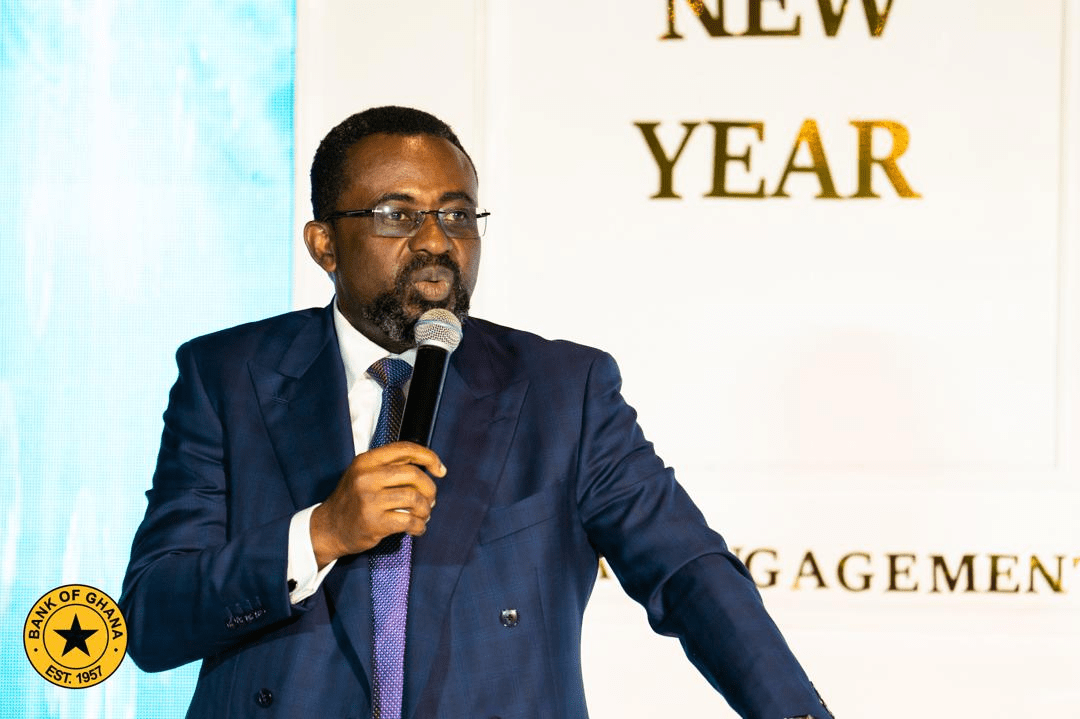
In Ghana, journalists are stepping into a role that goes beyond just reporting, they’re becoming key partners in shaping the country’s economic recovery. That was the message from Dr. Johnson Pandit Asiama, Governor of the Bank of Ghana, delivered on his behalf by his advisor, Dr. Francis Yao Kumah, at a workshop for newspaper and online media leaders in Ada on Saturday, January 24.
The Governor pointed out that while 2025 saw major progress, the way the story of recovery is told matters just as much as the policies themselves. “Stability is not the destination, it is the launchpad,” he said, highlighting achievements like the sharp drop in inflation from 23.8 percent in December 2024 to 5.4 percent a year later, stronger foreign exchange reserves, and smoother markets overall. Still, he warned, keeping that stability isn’t just about numbers, it takes close coordination between policymakers, markets, and the media.
Looking ahead, the Bank of Ghana is focused on what it calls an economic reset, a strategy built on three key ideas: shifting expectations, strengthening institutions, and encouraging disciplined behaviour across households, businesses, and markets. Citizens and businesses, the Governor said, need to move away from short-term thinking and speculation, and embrace patience and evidence-based decision-making.
At the same time, institutions must make stability routine, and everyday behaviours across the economy should reflect the credibility Ghana has worked hard to restore. “In short, the reset is about mindset as much as numbers,” he added.
The Governor made it clear that journalists have a critical role to play in this reset. Accurate and balanced reporting can help anchor public confidence, while misleading or sensational coverage, especially around sensitive issues like foreign exchange, can quickly undo progress. By breaking down inflation trends, explaining interest rate decisions, and clarifying new digital payments systems, the media helps people and markets understand policy with confidence instead of fear.
To strengthen this partnership, the Bank of Ghana plans to expand training programs for journalists and editors, covering topics from monetary policy and FX operations to digital finance and financial stability. A new forum for editors and producers will also give newsrooms early insight into upcoming data releases and policy cycles, ensuring coverage is informed, responsible, and timely.
Wrapping up, the Governor emphasized that resetting Ghana’s economy is a shared responsibility.
“When the media succeeds, the public understands, and when the public understands, the economy functions better,” he said. In 2026, he added, the country’s recovery will depend just as much on how journalists tell the story as on the numbers themselves.