

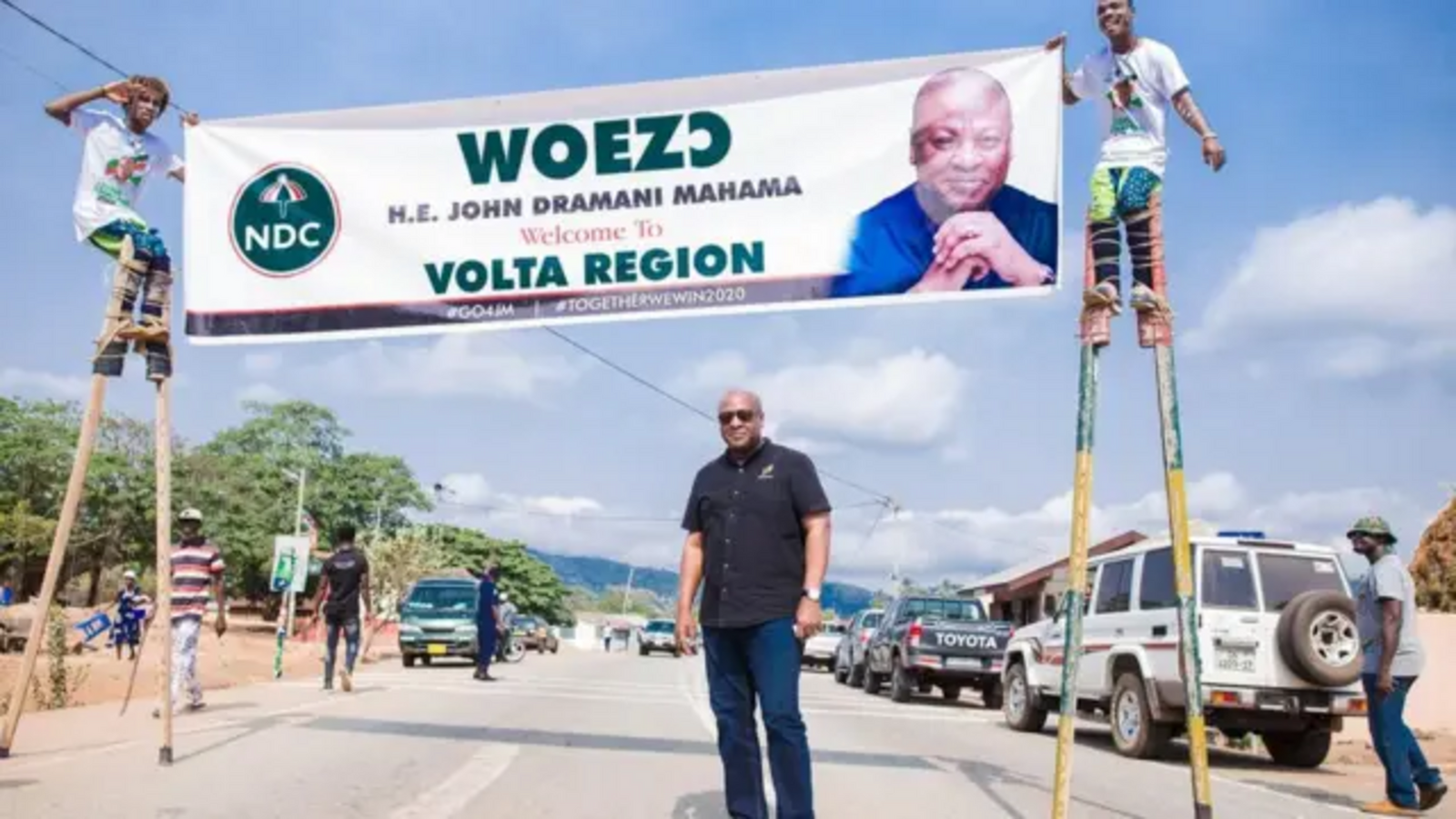
A quiet but intense debate is simmering within the ruling National Democratic Congress (NDC), threatening to destabilise its most reliable electoral stronghold.
Senior party figures are expressing grave concern that the bloc leadership from the Volta Region the party’s traditional heartbeat and so-called ‘World Bank’ of votes is squandering strategic influence through insularity and perceived self-interest. Multiple party sources from across Ghana confirm a damaging perception: NDC leaders of Volta origin, when appointed to ministerial roles, board positions, or other influential posts, have historically not prioritised channeling opportunities back to their regional base.
Unlike other powerful blocs within the party notably those from the Northern and Akan-speaking areas the Volta leadership is criticised for a lack of structured programmes for scholarships, targeted employment, or contract facilitation for their constituents.
“The Northern and Akan blocs understand party-building as an ecosystem,” explains a former National Executive Committee member. “They create pipelines. In Volta, the attitude has too often been, ‘I made it, the rest of you are on your own.’ It breeds resentment and weakens us all.”
This perceived patronage deficit is creating a dangerous narrative of neglect. It undermines the bloc’s internal bargaining power and fuels apathy among the youth and grassroots, who see loyalty as a one-way street.
Sources close to the Volta Caucus leadership suggest a culture of excessive caution and mistrust is to blame. There is a noted hesitation to recommend or empower fellow Voltarians, often stemming from personal rivalries or a fear of being overshadowed. “It is a tragedy of our own making,” laments a Voltarian MP. “We guard a single seat at the table so jealously that we fail to bring others to pull up more chairs. Meanwhile, other blocs are building banquet halls.”
This insular approach is now threatening the region’s long-term strategic relevance. With every electoral cycle, the demand for tangible returns on loyalty grows. Mere electoral support is no longer deemed sufficient by a new generation of activists and professionals.
The growing internal pressure is now crystallising into a direct, if respectful, challenge to the Volta elite. A faction, including business figures and mid-level politicians, is urging an urgent strategic shift.
Their argument is pragmatic: concentrated personal gain is politically myopic. Deliberate region-focused empowerment through succession planning, consortium-based bidding for contracts, and educational trusts would amplify the bloc’s collective voice and secure its future.
Failure to adapt, they warn, could see the Volta Region’s role reduced to that of a taken-for-granted vote reserve, increasingly marginalised in the critical backroom negotiations that determine resource allocation and candidate selection. The party’s National Chairman, Johnson Asiedu Nketia, and General Secretary, Fifi Fiavi Kwetey himself a Voltarian are acutely aware of the tensions. How they manage this internal recalibration will be crucial for party cohesion.
Bottom Line
The NDC cannot afford to have its core base feel undervalued and exploited. The Volta leadership is at a crossroads: continue with a fragmented model that benefits a few and weakens the whole, or engineer a unified strategy of collective advancement. The outcome will significantly shape the party’s preparedness for the 2028 general election and beyond. Loyalty, as the refrain now goes, must have dividends.