

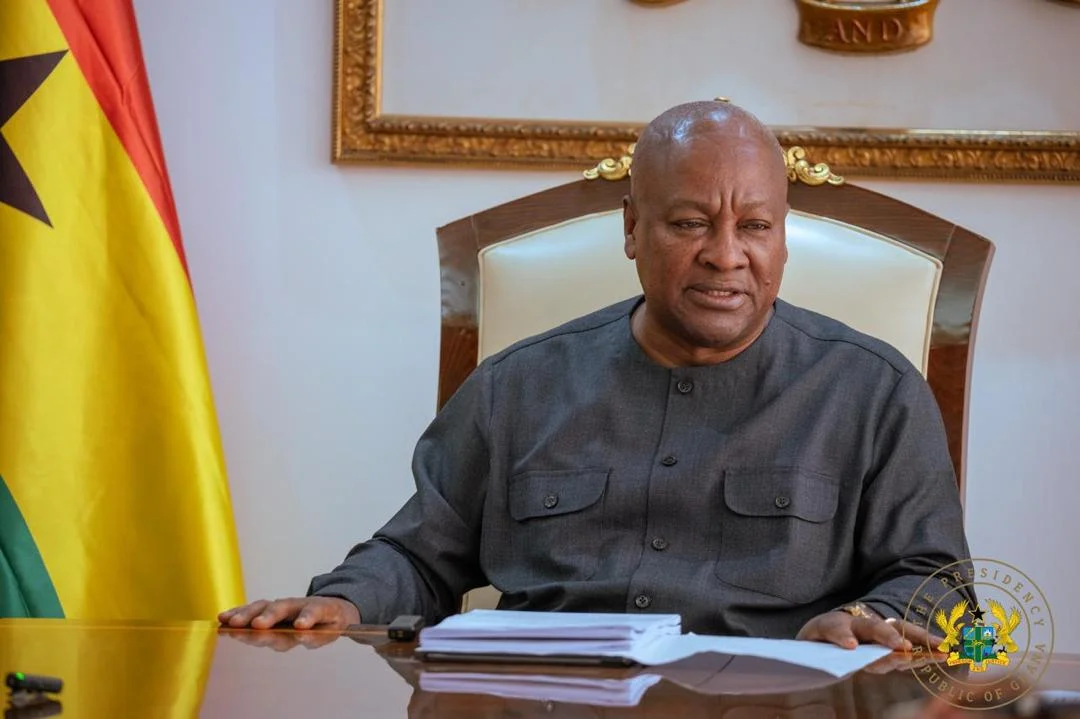
The Office of the President has initiated a formal investigation into allegations that government-sponsored overseas scholarships were sold to individuals through bribery, a development that has thrust Ghana’s educational integrity programmes into the spotlight and ignited national debate about corruption in public institutions.
The investigation was commissioned through a directive signed by Dr. Callistus Mahama, Secretary to the President, following a radio broadcast that captivated public attention and generated widespread concern about the administration of scholarship opportunities meant to benefit deserving Ghanaians.
The controversy emerged from a discussion on Sompa 106.5 FM, a Kumasi-based radio station, where Kofi Ofosu Nkansah, former Chief Executive Officer of the National Entrepreneurship and Innovation Programme, made claims that money changed hands to secure scholarships for study abroad.
According to the presidential directive addressed to the Director-General of the National Investigation Bureau, the Office of the President has reviewed the Twi-language broadcast, which has since gained significant public traction across various platforms.
The allegations have been categorised as serious and of grave public concern, particularly because they challenge the government’s publicly stated commitment to transparency, integrity, and equal access to educational opportunities for all citizens, regardless of their social or economic standing.
President Mahama has instructed the National Investigation Bureau to conduct an immediate and thorough investigation into the matter, with specific mandates to establish the factual basis of the allegations, identify any persons involved in the alleged misconduct, and determine the veracity of the claims that were broadcast.
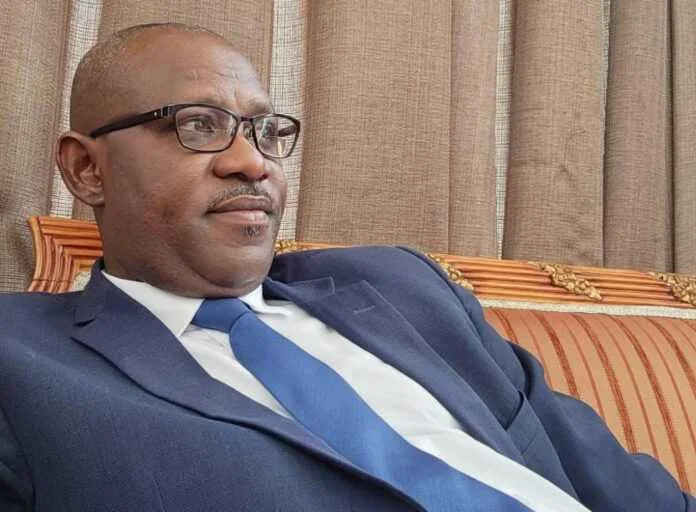
The Bureau has been directed to submit its findings directly to the President for his consideration and for any appropriate action that may arise from the investigation.
Ghana Scholarship Authority Boss Strong Response
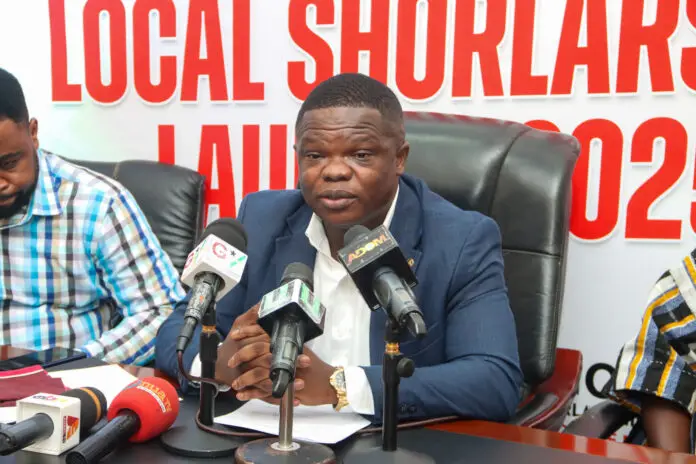
The allegations have prompted a strong response from Alex Kwaku Asafo-Agyei, Director-General of the Ghana Scholarship Authority, who expressed satisfaction that President Mahama has taken the claims seriously enough to refer them to the National Investigation Bureau for comprehensive investigation.
The scholarship chief described the allegations by Kofi Ofosu Nkansah as wild claims that suggested scholarships were sold by state institutions to members of the New Patriotic Party for study in the United Kingdom.
“In his quest for relevance in his sinking party, he conveniently ignored a simple fact: For example, if you take the Ghana Scholarship Authority, under my leadership as Director-General, not a single scholarship award has been made for anyone to study in the United Kingdom, as he alludes.”
He indicated this position has been well communicated to institutions in the UK, emphasising the deliberate policy direction taken by his office. The Director-General offered sharp criticism of the previous administration, alleging that the past Registrar had issued fake awards extending into March 2025, leaving the nation in a compromised position.
He characterised the allegations against the current system as attempts by opposition figures to gain relevance in what he described as a sinking party, suggesting the claims were politically motivated rather than factually grounded.
According to Asafo-Agyei, the era where wealthy, connected and influential individuals cornered scholarships outside of merit has ended under the current administration.
He described this shift as part of a broader resetting agenda aimed at reclaiming scholarships for deserving Ghanaians through systems anchored on transparency, fairness and merit, with zero tolerance for corruption.
The scholarship authority chief emphasised that every act of plunder perpetrated against the nation would face full accountability, warning that the time for reckoning is approaching. The investigation represents a significant test for the Mahama administration’s commitment to good governance and accountability in public institutions.
Educational scholarships funded by government resources have long been viewed as critical opportunities for talented but economically disadvantaged Ghanaians to access quality education that might otherwise remain beyond their reach. Any compromise of these programmes through corruption undermines both individual opportunities and national development objectives.
The outcome of the National Investigation Bureau probe will likely have implications beyond the immediate allegations, potentially shaping public confidence in government scholarship programmes and influencing policy reforms aimed at strengthening transparency mechanisms.
As the investigation proceeds, public attention remains focused on whether the claims will be substantiated or dismissed, and what consequences may follow for any individuals found to have compromised the integrity of scholarship awards.
The case also highlights the ongoing political tensions in Ghana, with allegations and counter-allegations between current and former government officials reflecting deeper partisan divisions over governance records and institutional integrity.
How the investigation is conducted and its conclusions will contribute to the broader narrative about accountability and transparency under the current administration.
By Nelson Ayivor