

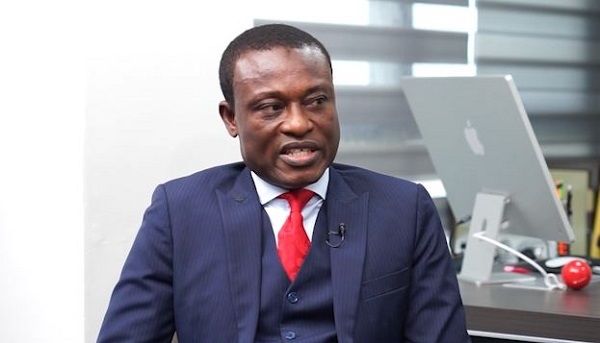
The Office of the Special Prosecutor has commenced investigations into allegations of electoral corruption arising from recent internal party primaries organised by Ghana’s two main political parties, the New Patriotic Party and the National Democratic Congress.
The investigations, announced in a public notice issued on February 8, 2026, focus on suspected vote buying, vote selling, and the sources of funding linked to the alleged corrupt activities during the primaries.
According to the Office of the Special Prosecutor, investigations into the New Patriotic Party presidential primaries, which were conducted on January 31, 2026, have already begun.
The Office said it is examining complaints and intelligence related to inducements and improper financial conduct associated with the contest. These inquiries form part of the OSP’s broader mandate to combat corruption and corruption related offences, particularly in relation to public elections.
In addition to the NPP primaries, the Office confirmed that it commenced real-time investigations on February 7, 2026, during the conduct of the National Democratic Congress parliamentary primaries in the Ayawaso East Constituency.
The OSP stated that its officers were deployed to observe and investigate alleged corrupt practices as the voting process unfolded, reflecting what it described as a proactive approach to enforcing electoral integrity laws.
The focus of the investigations, the Office explained, includes allegations of vote buying and vote selling, as well as inquiries into how funds allegedly used to influence delegates were sourced.
The OSP indicated that tracing the origin of such funds is critical to determining whether broader criminal networks or financial improprieties are involved. The public notice further disclosed that an incident occurred during the Ayawaso East primaries involving one of the candidates, Mohammed Baba Jamal Ahmed.
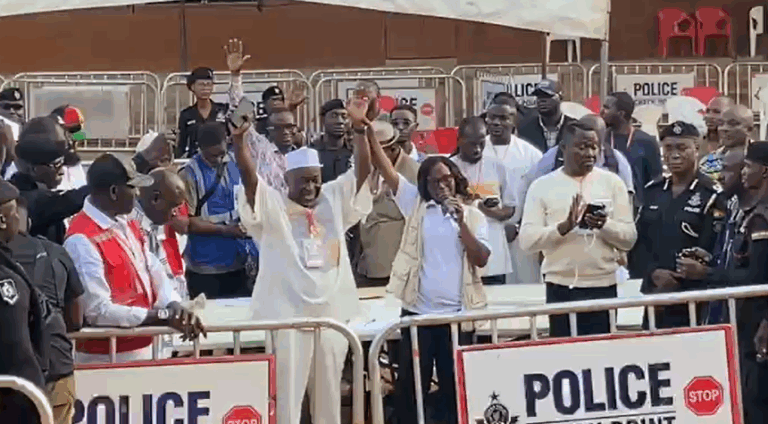
According to the OSP, while an authorised officer was serving an investigative directive on Baba Jamal in connection with allegations of vote buying and vote selling, the officer was allegedly physically attacked. The Office alleged that Baba Jamal abetted thugs who assaulted the officer while he was in the performance of his official duties.
As a result of this incident, the Office of the Special Prosecutor said it has opened an additional line of investigation specifically into the alleged assault of its officer. The OSP noted that interfering with an authorised officer in the execution of lawful duties constitutes a serious offence and will be pursued in accordance with the law.
The Office used the occasion to remind the public and political actors of the legal framework governing elections in Ghana. It stated that the law expressly prohibits corrupt acts in relation to public elections and internal party contests that have implications for public office.
It stressed that vote buying, vote selling, intimidation, threats of violence, and acts of violence linked to elections are criminal offences that attract severe sanctions.
“The law prohibits corrupt acts in relation to public elections,” the Office said, adding that it is a serious offence for any individual or group to engage in inducement or coercion aimed at influencing electoral outcomes.
The OSP emphasized that its mandate requires it to act without fear or favour, regardless of the political affiliation or status of persons involved. The announcement comes at a time of heightened political activity, as parties prepare for upcoming by elections and position themselves for future national contests.
Internal party primaries are increasingly seen as critical tests of democratic practice, and allegations of misconduct during such processes often attract significant public scrutiny.
The decision by the Office of the Special Prosecutor to conduct real-time investigations during party primaries signals a more assertive posture in enforcing electoral laws.
By intervening at the point of alleged misconduct, the Office appears intent on deterring corrupt practices before they become entrenched or normalized within the political system.
The investigations are also expected to reignite debate about the role of money in Ghanaian politics and the effectiveness of existing safeguards against electoral corruption. Civil society groups have long called for stricter enforcement of campaign finance regulations and greater transparency in the conduct of party primaries.
For now, the Office of the Special Prosecutor has not indicated when its investigations will be concluded or whether charges are likely to be filed. It has, however, assured the public that all allegations will be thoroughly examined and that any person found to have breached the law will be dealt with accordingly.
As the probes continue, political parties, aspirants, and supporters alike will be watching closely to see how the investigations unfold and what implications they may have for internal party discipline and the broader fight against corruption in Ghana’s electoral processes.