

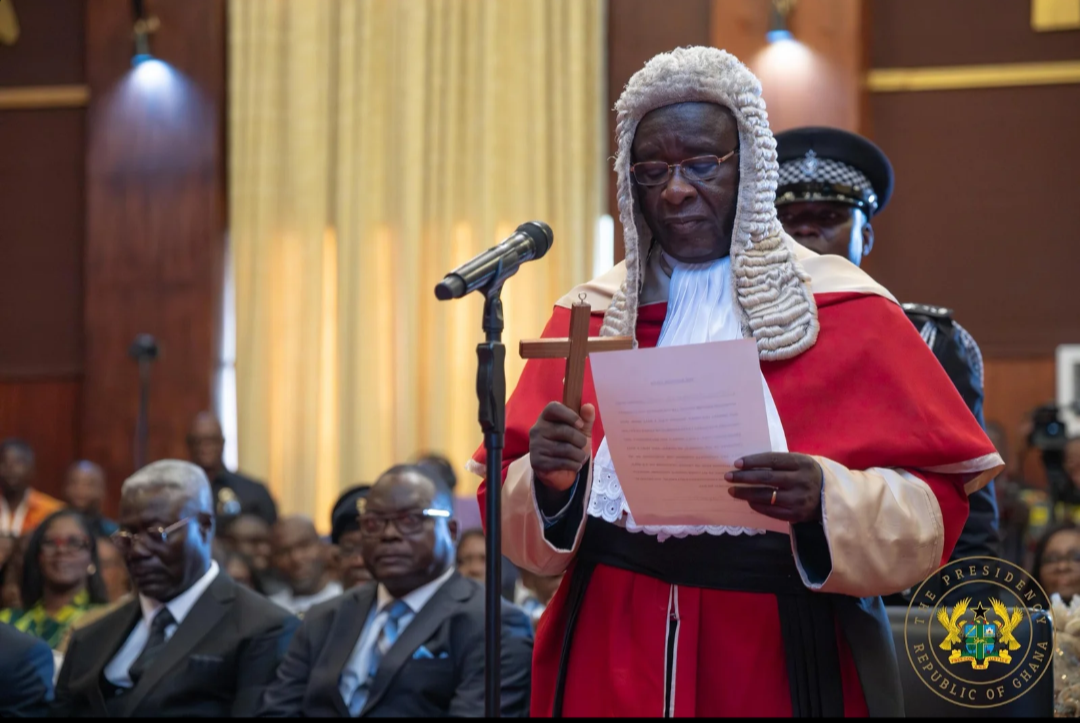
The decision by the Chief Justice to activate a Specialised High Court Division marks a significant moment in Ghana’s long-running struggle to strengthen accountability and confront corruption, environmental destruction, and the abuse of public resources.
Issued under the authority of the Courts Act, 1993, the directive establishes a judicial framework designed to handle complex and sensitive cases that have often stalled within the general court system.
Beyond its legal significance, the move carries important political and social implications for a country seeking to restore public trust in governance and the rule of law. At its core, the Specialised High Court Division is intended to fast track cases that strike at the heart of state accountability.
These include criminal and civil matters arising from reports of the Auditor General, cases linked to illegal mining and environmental degradation, proceedings initiated under the Office of the Special Prosecutor Act, and matters involving the recovery of state property.
The inclusion of narcotics, cybersecurity, and mining-related offences reflects an acknowledgment that modern governance challenges demand judicial specialisation and focused expertise.
For years, the Auditor General’s reports have revealed persistent weaknesses in public financial management, often documenting large scale losses to the state with limited consequences. While these reports have generated public debate and parliamentary scrutiny, prosecutions and recoveries have been slow and inconsistent.
By directing that cases emanating from these reports be heard in a specialised division, the judiciary is signalling that financial misconduct and waste of public resources can no longer be treated as routine administrative failures. Instead, they are to be addressed as serious legal violations requiring timely resolution.
Profound Impact on the Fight against Corruption
The implications for the fight against corruption are particularly profound. The Specialised Courts create a judicial pathway that aligns with the renewed emphasis on accountability under President John Dramani Mahama’s administration.
The President’s engagement with the Chief Justice, Auditor General, and Attorney General on tackling what has been described as an alarming state of waste underscores a coordinated approach across arms of government. In this context, the courts become a critical enforcement mechanism, translating policy intent into legal consequence.
Equally important is the court’s jurisdiction over cases relating to illegal mining, commonly referred to as galamsey. Illegal mining has devastated water bodies, farmlands, and forest reserves, while enforcement efforts have often been undermined by weak prosecutions and prolonged trials.
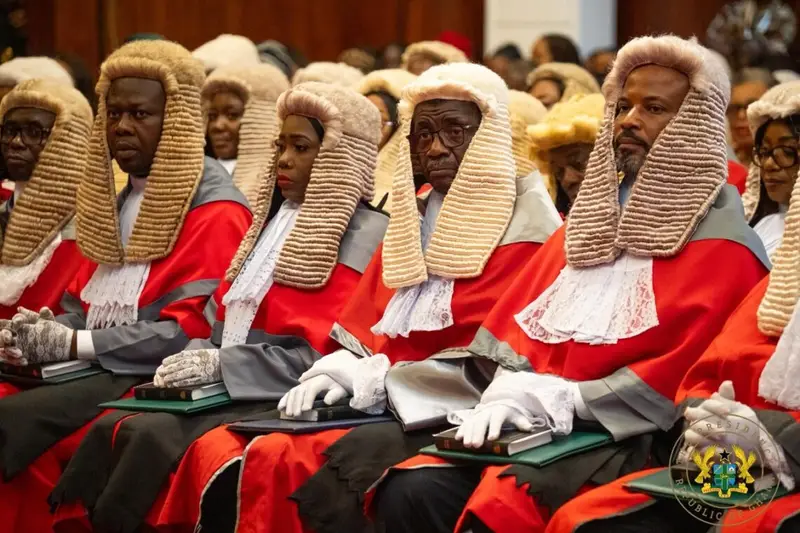
A specialised judicial forum has the potential to change this dynamic by ensuring that cases involving environmental degradation and breaches of the Minerals and Mining Act are handled by judges with focused expertise.
This could lead to more consistent rulings, stronger deterrence, and greater public confidence that environmental crimes are being taken seriously. However, the success of the Specialised High Court Division is not guaranteed.
Possible Challenges
One immediate challenge lies in capacity. Specialised courts require judges who are not only experienced but also adequately resourced and trained to handle technically complex cases involving forensic audits, financial crimes, environmental science, and cyber offences.
Without sustained investment in judicial training and support staff, the promise of specialisation may be undermined by the same delays and inefficiencies that plague the broader system.
Another challenge relates to institutional coordination. Many of the cases assigned to the Specialised Courts originate from investigative bodies such as the Office of the Special Prosecutor, the Auditor General, and law enforcement agencies.
Weak investigations, poor case preparation, or political interference at the investigative stage could still compromise outcomes, regardless of the court’s structure. Specialised courts can only be as effective as the quality of cases brought before them.
Public perception also presents a potential risk. If the courts are seen as selective or politically influenced, particularly in high profile corruption or galamsey cases, public confidence could quickly erode.
The judiciary must therefore guard its independence carefully, ensuring that assignments, case management, and judgments are transparent and grounded strictly in law.
Averting Possible Challenges
To avert these challenges, several measures are essential. Adequate resourcing of the Specialised High Court Division must be a priority, including modern court infrastructure, digital case management systems, and access to expert witnesses. Continuous judicial education will also be critical, particularly in emerging areas such as cybersecurity and complex financial crimes.
Equally important is the strengthening of investigative and prosecutorial agencies. Clear timelines for investigations, improved collaboration between institutions, and protections for investigators and prosecutors from political pressure will help ensure that cases reaching the courts are robust and credible.
Public communication will also matter. Regular updates on the progress of cases, without compromising due process, can help manage expectations and reinforce public trust.
Ultimately, the activation of the Specialised Courts represents an opportunity for Ghana to move from rhetoric to results in its accountability agenda. If effectively implemented, the courts could become a cornerstone of the fight against corruption, illegal mining, and environmental destruction.
They signal a recognition that accountability is not optional, and that the law must respond decisively to those who abuse public trust. Whether this promise is fulfilled will depend on sustained political will, institutional integrity, and a collective commitment to justice beyond symbolism.