

By Prince Ahenkorah
Ghana is flying home nearly 300 citizens fleeing xenophobic violence in South Africa. The government has promised money, counselling, and job placements. But the fine print reveals more than compassion and raises questions about what happens after the cameras leave.
South Africa’s latest outbreak of anti-foreigner attacks in Johannesburg, Pretoria, and KwaZulu-Natal has forced gov’t into a delicate balancing act. The scenes of harassment, including a Ghanaian national reportedly ordered to leave the country, triggered public outrage at home.
Now the government of President John Dramani Mahama is responding with a chartered flight from OR Tambo International Airport and a “comprehensive support package” for returnees.
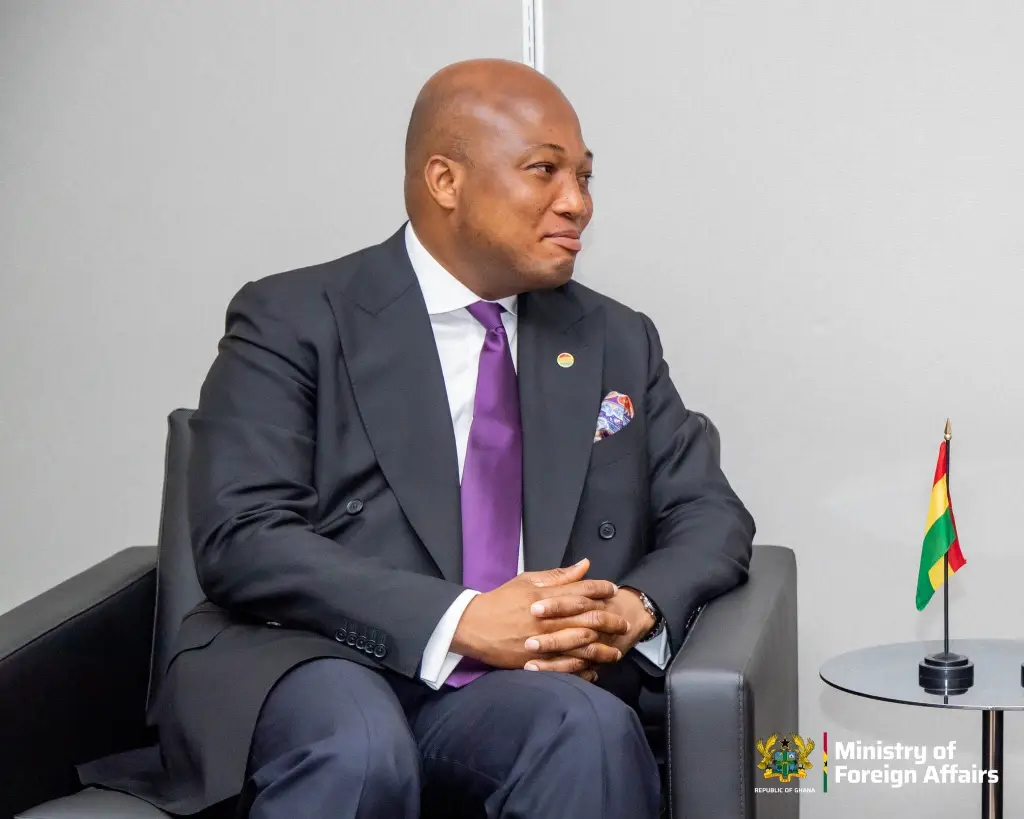
Foreign Minister Samuel Okudzeto Ablakwa announced the details: a welcome-home cash grant, transportation assistance, a reintegration allowance, and free psychosocial counselling. Returnees will also be entered into a government database to access job placements and start‑up support.
On paper, it is a model response. But seasoned observers note the absence of budget figures, disbursement timelines, or a clear institutional lead beyond the ministry’s press release.
International relations analyst Dr Ishmael Norman has given the government a “fair score” qualified praise that hints at deeper caution. He applauds the speed of the evacuation but warns that “the success of this effort depends on how well the reintegration packages are executed to improve the lives of returnee.”
Norman also advises Ghanaians reconsidering travel to South Africa to wait until the security situation stabilises. His larger point, however, is structural: migration flows from Ghana will not slow without serious domestic economic reform. “If economic conditions improve,” he says, “fewer Ghanaians will feel compelled to travel to unsafe environments.”
The timing is convenient for a new administration still building its reputation for competence and care. With about 300 evacuees arriving imminently, the government faces a test of delivery not just promises. Will the “special database” translate into real jobs? Will the start‑up support reach those who have lost everything, or become another bureaucratic bottleneck?
For now, the chartered flight is airborne. The larger unease that Ghanaians are fleeing not only South African violence but also a lack of opportunity at home remains on the tarmac.