


As He Attempts to Overturn Legal Vacation Ruling
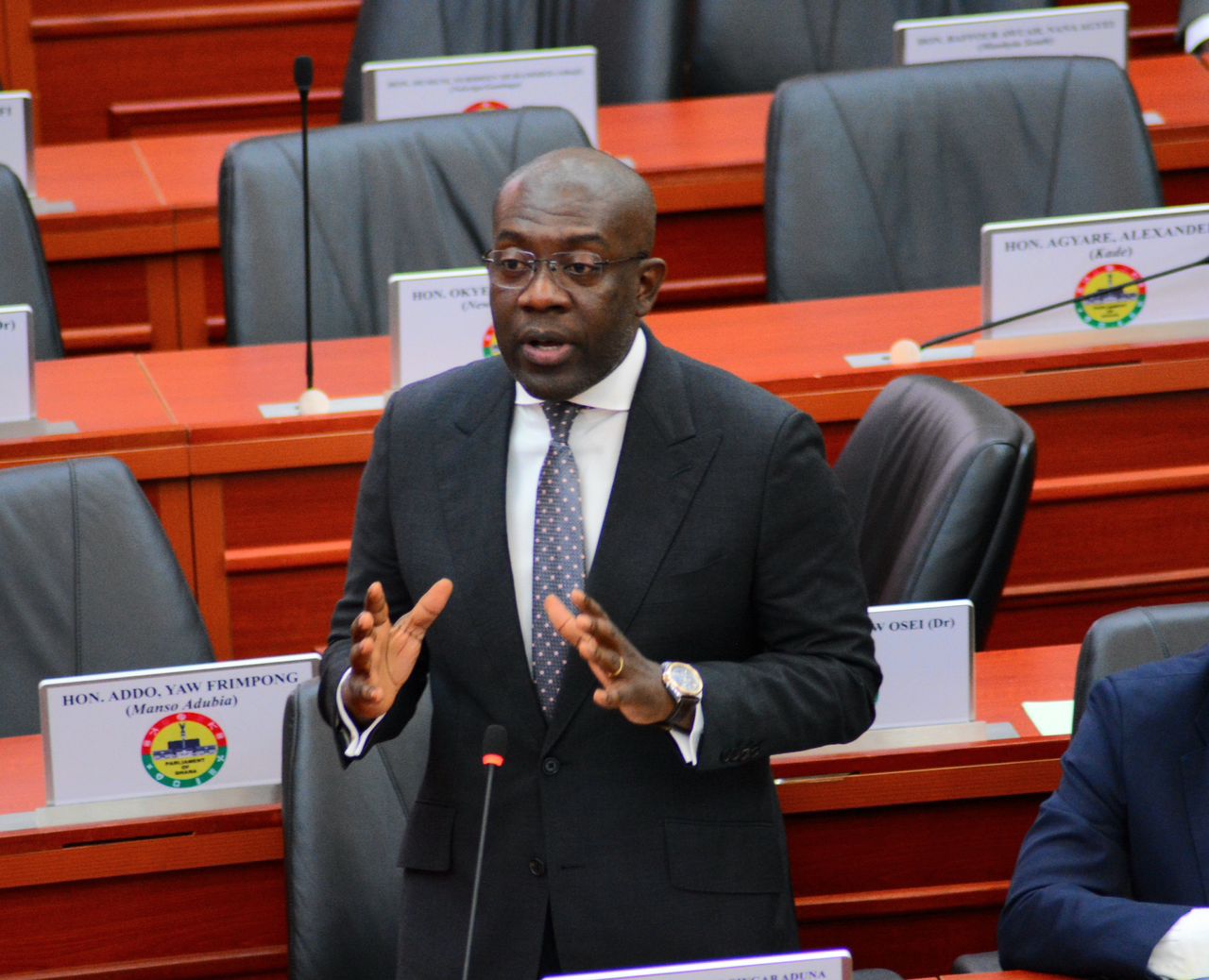
The Supreme Court has unanimously shutdown a review application filed by the Member of Parliament for Ofoase Ayeribi, Kojo Oppong Nkrumah, which sought to overturn a ruling allowing criminal trials to proceed during the legal vacation.
A three-member panel, presided over by Justice Emmanuel Yonny Kulendi, threw out the application on Wednesday, September 2, 2026.
The court held that the MP failed to establish the exceptional circumstances required to trigger the Supreme Court’s limited review jurisdiction, describing the application as unmeritorious.
The full written reasons for the decision are scheduled to be made available at the court’s registry on September 7.
The legal dispute stems from Oppong Nkrumah’s substantive lawsuit challenging the constitutionality of warrants issued to High Court judges to hear criminal cases during the legal vacation.
These specific warrants relate to the high-profile criminal trials of former National Signals Bureau boss Kwabena Adu Boahen and former National Food Buffer Stock Company CEO Abdul Hanan Wahab.
To prevent these trials from proceeding while his main case was being heard, Oppong Nkrumah filed for an interlocutory injunction.
However, a single Supreme Court judge, Justice Gabriel Scott Pwamang, dismissed the injunction request, prompting the MP to invoke the court’s review jurisdiction.
Arguing for the review, Oppong Nkrumah’s counsel, Frank Davies, told the full panel that there were “patent errors” in the single judge’s ruling. Davies pointed out a logical flaw in the decision, questioning why warrants were deemed necessary for criminal trials during the vacation if the law already allows such trials to proceed without them.
Furthermore, Davies argued that the single judge overstepped his bounds by making comments on the merits of the substantive constitutional case, rather than focusing strictly on the interlocutory injunction.
He also contended that the wrong legal test was applied, insisting that for public-interest cases, the threshold is simply showing a “serious question of law to be tried,” rather than proving a high likelihood of success.
However, Deputy Attorney-General Dr. Justice Srem-Sai strongly opposed the application urging the court to dismiss the review, arguing that the MP failed to demonstrate any special or exceptional circumstances.
Dr. Srem-Sai emphasized that a review is not an appeal and cannot be used as a platform to simply re-argue points that the single judge had already considered and dismissed.
After evaluating the arguments from both sides, the Supreme Court agreed with the Deputy Attorney-General, conclusively shutting down the MP’s review bid.