

…as Teacher Unions Drop Markers and Chalks
By Philip Antoh
As the government and the various teacher unions are currently on the negotiation table over better conditions of service leading to a nationwide strike action, private education has emerged as the saving grace for Ghanaian children.
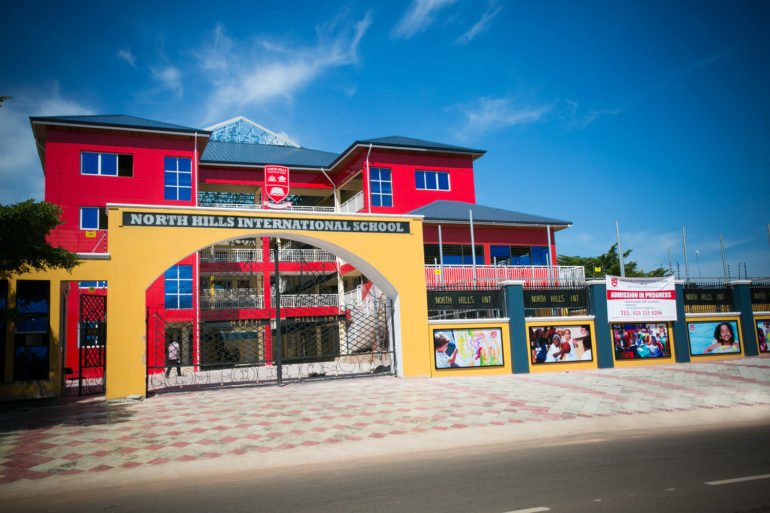
Without private schools, approximately 8.2 million basic school students would be left at home due to the ongoing strike action by teacher unions negotiating for better working conditions.
Currently, private institutions are keeping over 3.9 million of these basic-level students in classrooms and actively receiving tuition.
Although the full impact of the strike is yet to be measured, educationists are appealing to the unions not to use the industrial action to punish students while pressing home their demands.
Addressing the situation, the Executive Director of the Ghana National Council of Private Schools (GNACOPs), Obenfo Nana Kwasi Gyetuah, acknowledged that while public school learning remains disrupted, millions of learners in private schools continue to receive quality education.
He noted that this moment underscores the vital role private institutions play in ensuring learning continuity and supporting the broader education system during crises.
“Private schools are not merely alternatives; they are partners in national education and human capital development,” Nana Gyetuah stated.
The nationwide strike, jointly declared by the Ghana National Association of Teachers (GNAT), the National Association of Graduate Teachers (NAGRAT), and the Pre-Tertiary Teachers Association of Ghana (PRETAG), is driven by several critical grievances:
Unpaid Promotions and Delayed Salaries
The unions accuse the government of failing to place promoted teachers on the appropriate payroll grades.
Specifically, they are demanding the immediate upgrade of roughly 8,000 teachers who passed their promotion examinations but have yet to receive their corresponding salary adjustments.
Outstanding Allowances
Educators in under-resourced areas are experiencing extensive delays in receiving the promised 20% Deprived Area Allowance. Additionally, unions are demanding the implementation of a Cost-of-Living Allowance (COLA) to cushion members against soaring inflation and the rising cost of goods and services.
Stalled Collective Negotiations
The unions cite persistent delays, broken promises, and a lack of urgency from the Fair Wages and Salaries Commission (FWSC) and other state duty-bearers in finalizing their conditions of service.
Considering these challenges, Nana Gyetuah has challenged private schools and their educators to hold the fort during this crucial period, ensuring that Ghana’s basic education system remains strong and functional.