

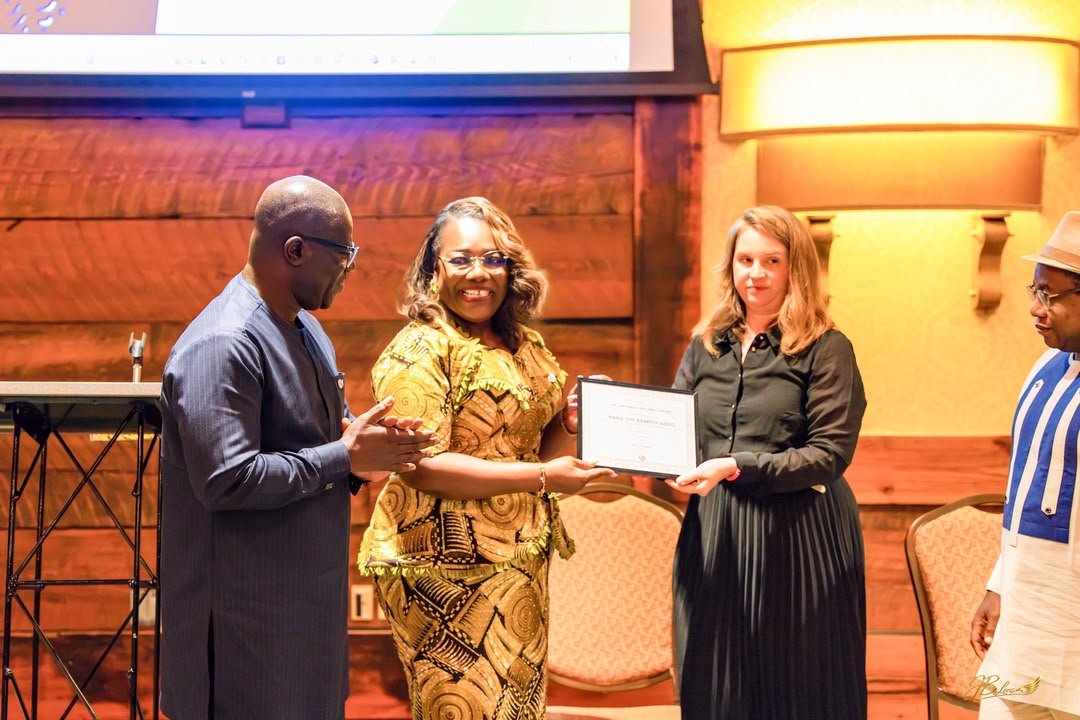
A new vision for Africa’s economic future is taking shape, one that rejects the role of a mere supplier of raw materials and instead positions the continent as a competitive, integrated, and industrializing powerhouse. This was the powerful message delivered by Ghanaian Deputy Chief of Staff Nana Oye Bampoe Addo at the Africa-America Summit in Ohio.
Bampoe Addo pointed to a wave of “credible African models” that are redefining the continent’s engagement with the world. Chief among them is the African Continental Free Trade Area (AfCFTA), whose secretariat is in Accra. She cited a World Bank study estimating that a fully implemented AfCFTA could add hundreds of billions of dollars to African incomes and lift tens of millions out of extreme poverty.
“The reorientation of aid… has forced us to prioritise our own development and to negotiate trade on our own terms,” she stated, highlighting the shift from dependency to sovereignty. “A more integrated Africa trades more with America, not less, and it trades in finished goods rather than raw material.”
She illustrated this new model with examples from the recent US-Africa Business Summit in Luanda, such as a US consortium building grain silos along the Lobito Corridor—a new rail line connecting the Atlantic to the copper and cobalt belt of Zambia and the DRC. Other deals included a US energy investor committing over a billion dollars to a transmission line carrying Angolan hydropower to the DRC’s mining belt.
These are not charity projects, but commercial contracts with returns and timelines. Ghana itself is showcasing this new approach. The country’s new GoldBod model, which reserves local buying licences for Ghanaians but offers foreign investors a direct partnership pathway, has already attracted study delegations from Tanzania, Zimbabwe, and Sierra Leone. For Pan-Africanists, the message is clear: Africa is no longer waiting for a seat at the table it is building its own table, and inviting partners who respect its rules.