

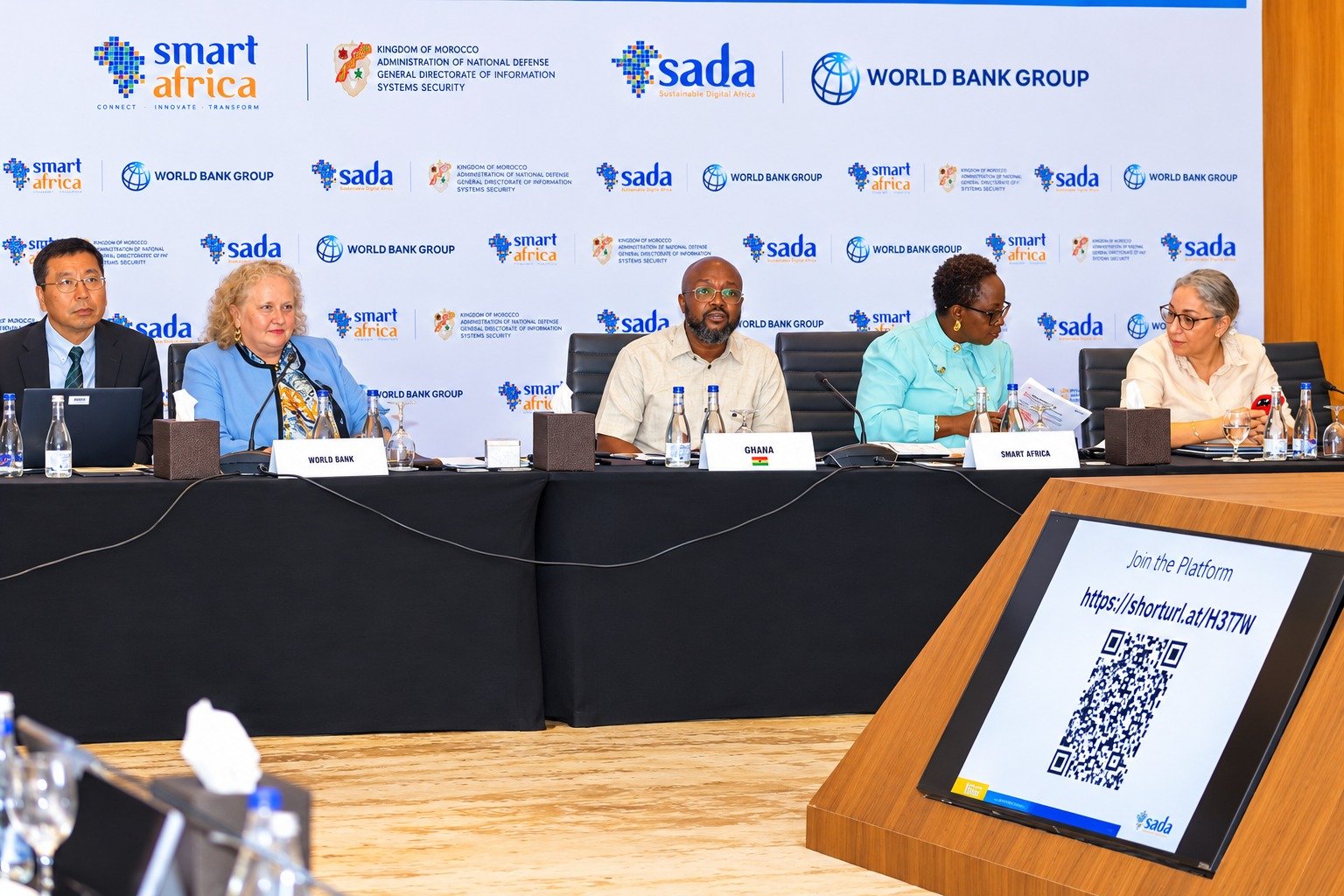
Directors-General of cybersecurity authorities from across Africa, including Ghana’s National Cybersecurity Authority (NCA) Director-General, Dr Divine Selase Agbeti, have converged on Morocco ahead of the much-anticipated Cybersecurity Week 2026.
The week-long programme will feature panel discussions, presentations and a range of other engagements at the Four Seasons Hotel in Rabat.
Dr Agbeti, leading Ghana’s delegation, is expected to deliver a statement today, Monday, October 12.
Ahead of the main event, the cybersecurity chiefs — who arrived in the North African country days ago — have been holding a series of engagements and training sessions aimed at strengthening and sharpening their work.
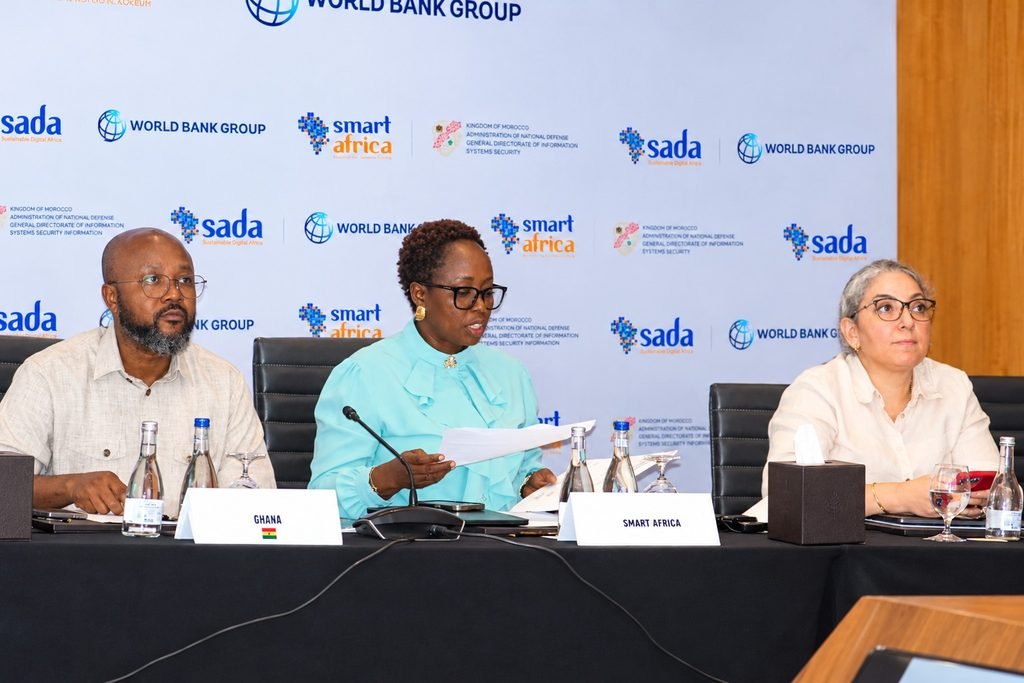
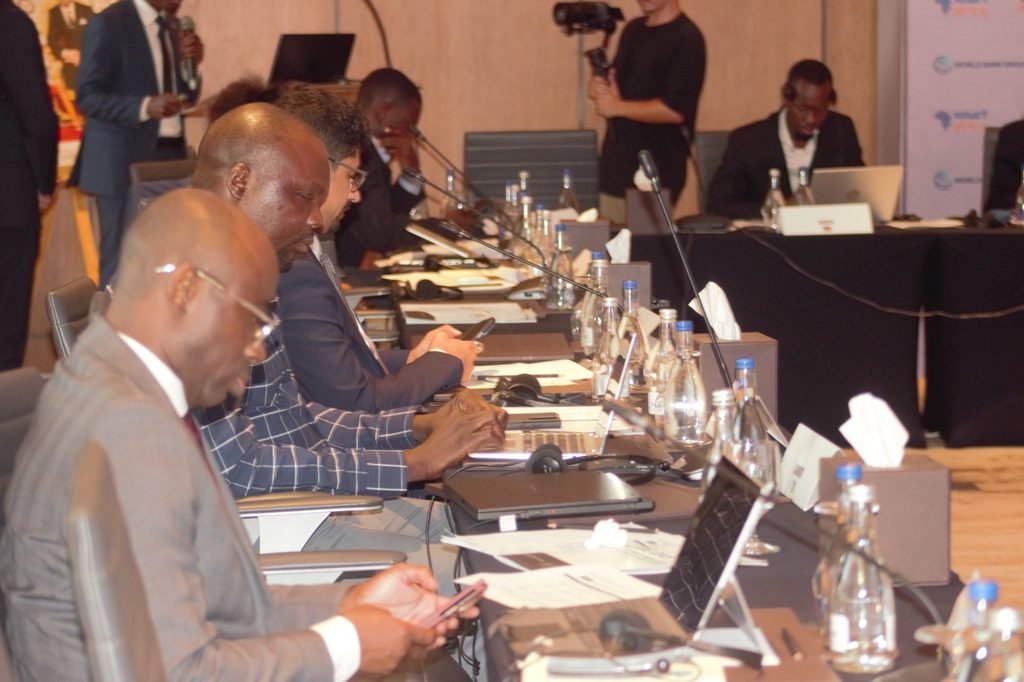
On Sunday, the Directors-General participated in sessions on strategic cybersecurity leadership, discussing topics such as Africa’s threat landscape and future trends, and “Artificial Intelligence and Cybersecurity: Risks, Tools and Decisions.”
Other sessions covered women in Africa’s cybersecurity workshops, cyber crisis simulation — strategies, communication and recovery — as well as peer-to-peer exchange and closing priorities, aimed at getting participating countries make bold decisions and solutions at all times to make their work effective and responsive.
The programme was held under the auspices of the 8th Meeting of the African Network of Cybersecurity Authorities (ANCA) and the Smart Africa Digital Assembly, in collaboration with the SADA WARDIP Cybersecurity Senior Leadership Training, on the sidelines of the Cybersecurity Week.
Push for More Women in Cybersecurity
Speaking passionately on African women in cybersecurity, Confidence Staveley, Executive Director of the CyberSafe Foundation, highlighted the contributions women are making in the sector and the efforts underway to increase their involvement across the continent.
Tracing her foundation’s work over the years to attract more women into the field, she said a great deal had been achieved, and urged authorities to make it a priority to recruit competent women. Experience and time, she noted, have shown that women commit highly to their work and remain loyal to their organisations.
She also spotlighted the CyberGirls Fellowship, an initiative through which African women aged 18 to 28 — drawn from 27 countries — receive 12 months of free training, regardless of whether they have a background in the field.
Staveley cited the example of a female lawyer who went through the programme and has since become an authority on cybersecurity issues, arguing that such multidisciplinary training makes candidates even more employable.
Dr Agbeti echoed the call for greater female participation, describing women as deeply committed and dedicated professionals who tend to stay with one institution long enough to build capacity, unlike their male counterparts.
More soon!
By Gifty Boateng