

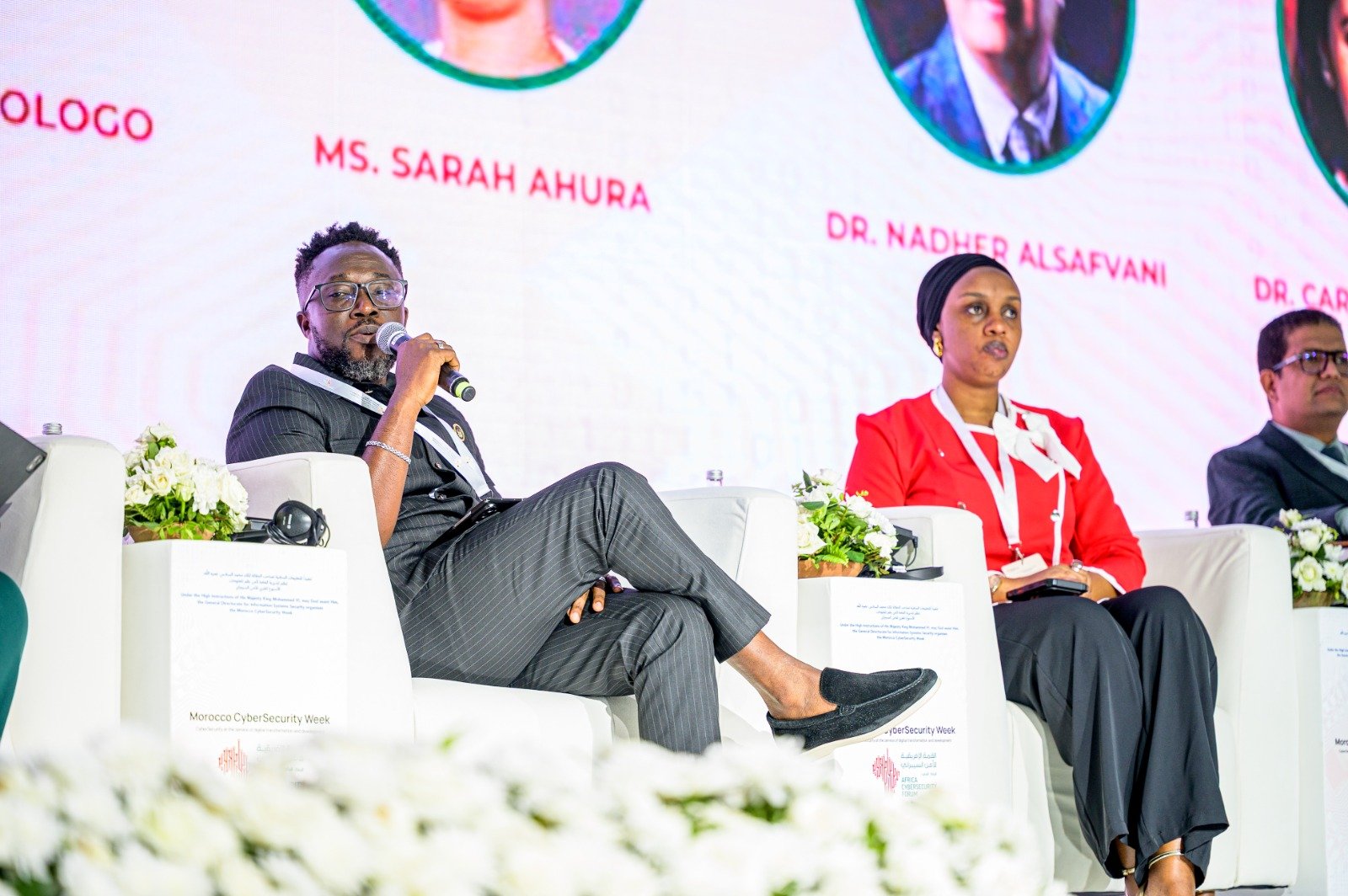
Dr George Dawutey Ologo, a Strategic Technical Policy Advisor, has called on African countries to move beyond participation in global cybersecurity discussions and take a more active role in shaping international cyber policies, rules and standards.
Speaking during Day Two of the Africa Cybersecurity Forum, organised as part of Morocco Cybersecurity Week, Dr Ologo highlighted the need for stronger continental cooperation, coordinated diplomatic engagement and effective implementation of cybersecurity policies to safeguard Africa’s digital future.
Addressing the Africa Network of Cybersecurity Authorities (ANCA), he said the establishment of the new United Nations Permanent Mechanism on cybersecurity presents a significant opportunity for African countries to strengthen their influence in global cyber diplomacy.
According to him, the permanent mechanism provides a more consistent platform for countries to build trust, exchange experiences and contribute to the development of international cybersecurity norms, responsible state behaviour in cyberspace and the application of international law in the digital environment.
He, however, stressed that securing a seat at the international negotiating table would not be sufficient unless African countries could translate their participation into meaningful influence over decisions that affect the continent.
“Having a seat at the table is not enough. We must ensure that our voices influence the decisions being made,” he emphasised, calling for a united and strategic African approach to global cybersecurity negotiations.
Dr Ologo identified cybercrime prevention, data protection, data sovereignty, responsible artificial intelligence, capacity building and the development of local digital content and expertise as key priorities that must feature prominently in international cybersecurity discussions.
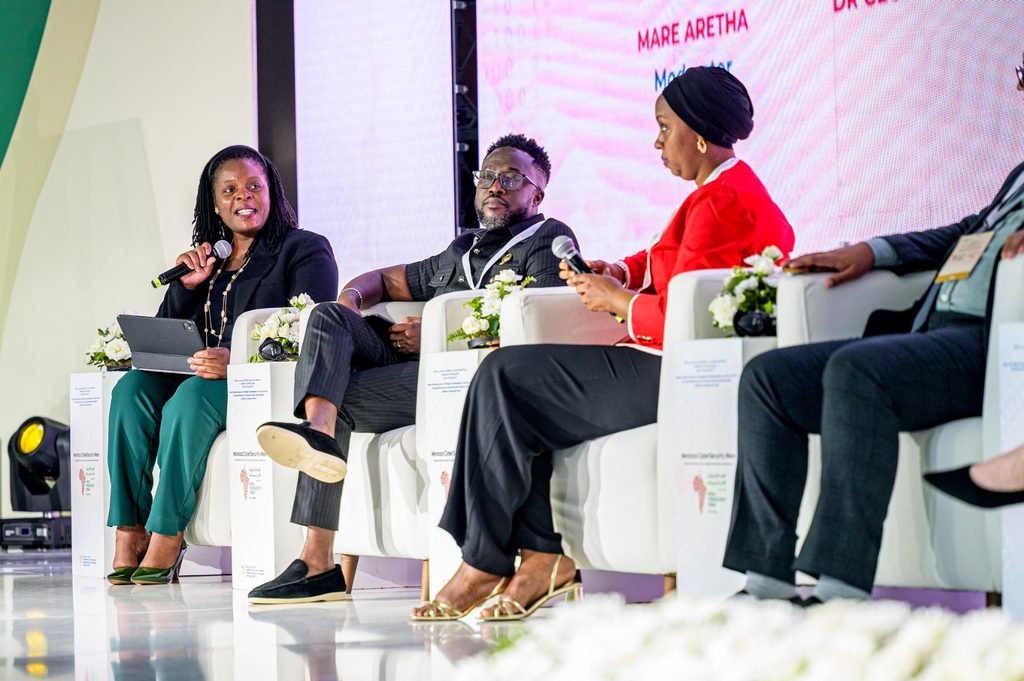
He noted that Africa’s ability to influence global policies would depend largely on its investment in technical expertise, research capabilities, institutional development and diplomatic skills.
Calls for African Cyber Diplomacy Framework
To strengthen coordination and ensure that Africa’s international commitments translate into practical outcomes, Dr Ologo proposed the establishment of a structured African Cyber Diplomacy Coordination and Implementation Framework.
He said the proposed framework should bring together national cybersecurity authorities, the African Union Commission, regional economic communities and relevant international partners to develop common priorities and coordinate implementation.
Under the proposed arrangement, the African Union Commission would provide continental policy leadership, while ANCA would mobilise national cybersecurity authorities, technical experts and other stakeholders to translate shared priorities into concrete action.
Dr Ologo explained that the framework should help ensure that Africa’s positions in international negotiations are reflected in national cybersecurity strategies, institutional capabilities, legal frameworks and development programmes.
He stressed that cyber diplomacy must deliver tangible benefits to citizens rather than remain confined to international meetings and diplomatic statements.
According to him, effective cyber diplomacy should contribute to protecting digital economies, securing critical infrastructure, strengthening public trust in digital services, supporting innovation and creating opportunities for young Africans to participate confidently in the global digital economy.
Africa Must Move from Commitments to Implementation
Dr Ologo acknowledged the progress made by African countries in developing common approaches and legal instruments to address cybersecurity challenges.
He cited the African Union’s Common African Position on the application of international law in cyberspace and the African Union Convention on Cyber Security and Personal Data Protection, widely known as the Malabo Convention, as important foundations for continental cooperation.
These initiatives, he said, demonstrate that African countries can identify shared interests and establish principles to guide their engagement in global cybersecurity governance.
However, he warned that the effectiveness of these instruments would ultimately depend on their implementation at the national level.
He argued that continental agreements and common positions would have limited impact if they were not reflected in domestic policies, diplomatic engagements and negotiating strategies.
“African countries need to develop national positions that are aligned with our shared continental priorities,” he said, while urging governments to strengthen cybersecurity institutions, invest in specialised personnel and develop the technical capabilities required to respond to emerging threats.
He also called for better coordination among African countries at the United Nations to minimise conflicting positions where common ground exists and strengthen the continent’s negotiating influence.
At the same time, he cautioned against a one-size-fits-all approach, noting that African countries have different levels of cybersecurity readiness and institutional capacity.
He said cooperation should therefore be inclusive and responsive to national circumstances, with countries and institutions that possess stronger capabilities supporting others through knowledge-sharing, specialised training, research partnerships and technical assistance.
ANCA’s Role in Strengthening Continental Cooperation
Dr Ologo identified ANCA as a key institution in bridging the gap between continental cybersecurity commitments and national implementation.
He said the network could facilitate cooperation among national cybersecurity authorities, promote the exchange of expertise, encourage common approaches and help African countries prepare more effectively for international cyber negotiations.
He further emphasised that the success of Africa’s cyber diplomacy should not be measured by the number of meetings attended or statements issued, but by the extent to which African ideas influence international decisions, national institutions become stronger and digital systems become more secure.
For him, the new UN Permanent Mechanism offers Africa a historic opportunity to advance its interests, but realising that opportunity will require sustained political commitment, continental solidarity, investment and coordinated action.
Cybersecurity Critical to Africa’s Digital Sovereignty
Concluding his remarks, Dr Ologo stressed that cybersecurity extends beyond technical protection, describing it as an issue closely linked to national security, economic development, digital trust, human rights and national sovereignty.
He urged African governments to prepare their experts, empower their institutions and coordinate their diplomatic efforts to ensure that the continent’s development priorities are consistently represented in global cybersecurity negotiations.
He maintained that Africa’s digital future would depend not merely on its presence in international forums, but on the strength of its ideas, the unity of its positions, the capacity of its institutions and its willingness to work collectively.
Dr Ologo called on African countries to transition from participation to influence, from commitments to implementation, and from fragmented national initiatives to a coordinated continental voice capable of shaping the rules governing the global digital environment.
His message was clear: Africa must take a more decisive role in defining global cybersecurity norms, protecting its digital sovereignty and ensuring that the benefits of digital transformation contribute to the security, inclusion and prosperity of its people.
By Gifty Boateng