

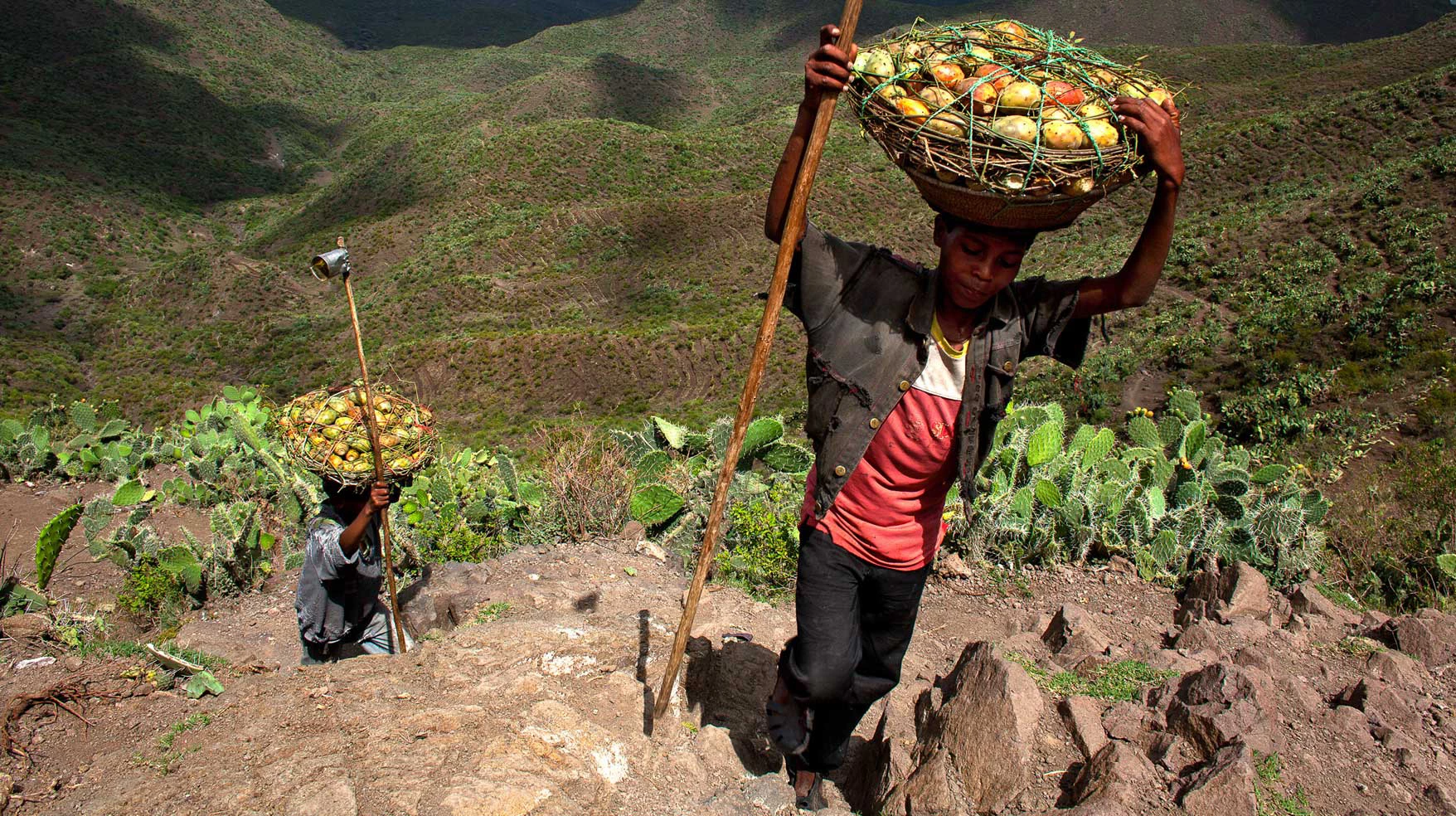
On a humid afternoon in Tamale, Amina spreads her harvested maize on mats in the courtyard. She prays the rain holds off for a few more days, because if it comes early, half her crop will rot before she can sell it. In Accra, Kwaku buys a small bag of imported rice for his family. It costs nearly double what it did just two years ago, yet he has no alternative. These two everyday stories—one from the farm, one from the market—capture the crisis at the heart of Ghana’s food system and, more broadly, Sub-Saharan Africa’s.
Food is not just about eating. It is about dignity, stability, and national strength. When a nation cannot feed itself, it becomes vulnerable on every front. In 2023 alone, Ghana spent approximately $2.7 billion on imported food staples—from rice and wheat to poultry and cooking oil. This drain on foreign reserves makes the economy highly sensitive to global shocks. When Russia’s invasion of Ukraine disrupted grain exports, wheat prices in Accra nearly doubled overnight. When the cedi weakens, entire households feel the squeeze in the cost of gari, kenkey, and oil. Food insecurity in Ghana is not abstract—it shows up on dinner tables every day.
The costs ripple across society. Malnutrition, especially among children, silently robs the nation of future productivity. A child who goes to school hungry cannot concentrate, and over time, undernourishment produces less productive adults. The World Bank estimates that in some African countries, malnutrition can reduce GDP by up to 16 percent annually. Hunger does not merely harm bodies—it weakens nations.
The political consequences are just as grave. Across the region, food price spikes have triggered protests and unrest. From Dakar to Maputo, “bread riots” have toppled governments and shaken societies. Stability rests on the price of a bowl of rice or a loaf of bread. In Ghana, urban food inflation consistently outpaces wage growth, igniting tensions when families queue at markets with shrinking incomes.
Food insecurity also undermines regional cooperation. West Africa’s trade agreements promise movement of goods, but poor roads, border delays, and policy gaps often prevent booming harvests in Burkina Faso or Mali from balancing shortages in Ghana. Similarly, Ghanaian yams or maize seldom reach Lagos or Abidjan in time to satiate surging demand. Fixing these bottlenecks would transform localized abundance into regional resilience.
The burden of hunger is felt beyond livelihoods—it is worn on bodies and seen in classrooms and clinics. Clinics in rural Ghana report rising cases of anemia and childhood malnutrition, conditions that compromise lifelong health. In schools, teachers speak of students who arrive hungry and struggle to learn. The cycle is vicious: hunger erodes cognitive potential, limiting future income, perpetuating poverty—and restarting the same cycle.
Equally important is recognizing the indispensable role of women in food security. Women account for nearly half of Africa’s agricultural workforce and are primarily responsible for food preparation and household nutrition. Yet they face systemic obstacles: limited access to land, credit, and agricultural training. Empowering women is not only a gender issue—it is the most effective pathway to improving family health and food availability.
Yet food security is not just about avoiding crisis. It is also Africa’s greatest opportunity. With 60 percent of the world’s uncultivated arable land, Ghana and its neighbours could become global breadbaskets. Agriculture already employs more than half the region’s workforce. With strategic investment in roads, irrigation, research, storage, and processing, the sector could generate jobs, stabilize economies, and buffer against global shocks.
Solutions are not beyond reach. In northern Ghana, cooperatives are piloting solar-powered irrigation to bypass the uncertainty of erratic rains. Rwanda’s land consolidation and terracing programs have dramatically boosted productivity on hilly terrain. Nigeria’s use of mobile platforms for weather alerts, wallet integration, and market data has empowered millions of farmers with knowledge and financial access. These examples show resilience is achievable when strategy converges with innovation and political will.
Food security must be reframed as the bedrock of national sovereignty. It should not be treated as a sideline for agriculture ministries—it is central to national strategy. A country that cannot feed its people cannot fully govern itself. True sovereignty is measured not just by military or monetary power, but by whether families can afford three meals a day.
For Ghana and Sub-Saharan Africa, the path is clear. We must invest in systems that keep food local, affordable, and reliable. We must create a context where farmers like Amina can sell harvested maize confidently, and where consumers like Kwaku can afford local produce, unburdened by volatile global prices. The stakes are high, but the opportunity is vast.
Food security is Africa’s most urgent mission—not simply because hunger is intolerable, but because every facet of our future—our health, stability, and prosperity—depends on it.
By Gideon Amuah | Email – gideon.amuah@gmail.com