

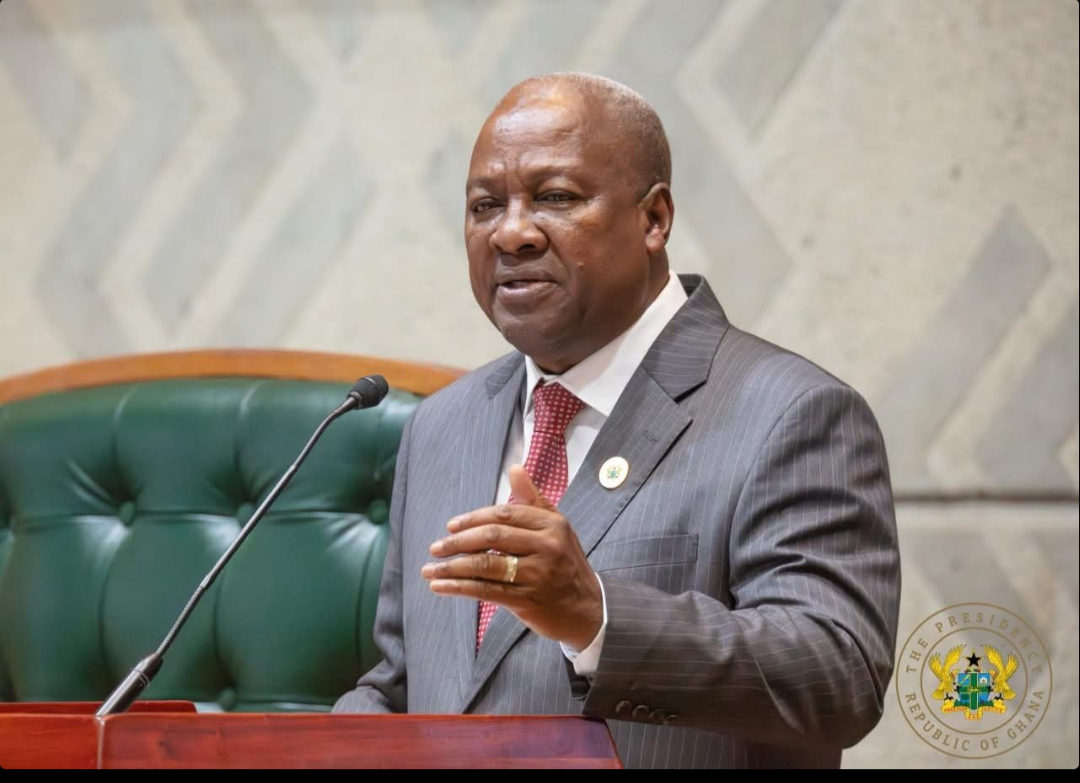
President John Dramani Mahama has called on African countries to take bold and deliberate steps to assert greater control over their natural resources as a pathway to long-term economic transformation.
Speaking at the Zambia National Assembly, the Ghanaian leader urged African governments to shed any hesitation about leveraging their comparative advantages to create prosperity for their people.
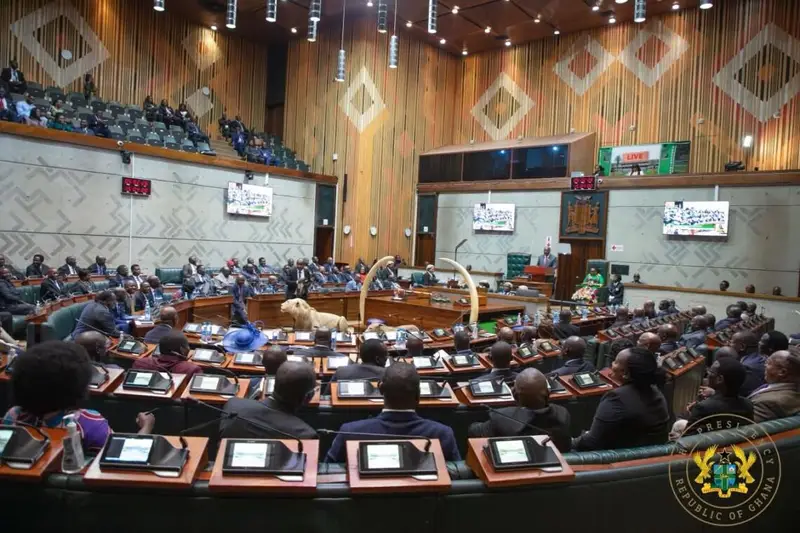
“Right Honourable Speaker, to achieve economic transformation, Africa must not be ashamed to leverage its comparative advantage in its natural resource endowment.”
He stressed that the continent must exercise greater sovereignty over its resources if it is to translate natural wealth into meaningful development outcomes.
The Ghanaian President’s address resonated strongly in Zambia, a country with a long history in mining, and reflected a broader continental debate about how Africa can move beyond extraction toward value-driven growth.
Ending the Era of Speculative Concessions
President Mahama was critical of past practices in which large-scale concessions were granted to speculators who reaped massive profits without contributing to local development. He argued that such arrangements had deprived African economies of value, jobs, and industrial capacity.
“We have the know-how, the technology, and capital are available, and indigenous companies must be encouraged to participate in the extractive and mining sectors.”
President Mahama added that African nations must support their private sectors to “capture the commanding heights of our economies.” He emphasized that indigenous companies should be encouraged to play leading roles in mining and extractive activities.
Ghana’s Experience in the Extractive Sector
Drawing on Ghana’s experience, President Mahama highlighted the central role mining and extractive industries play in many African economies.
He noted that countries such as Ghana and Zambia are endowed with critical minerals, yet continue to export them largely in raw form.
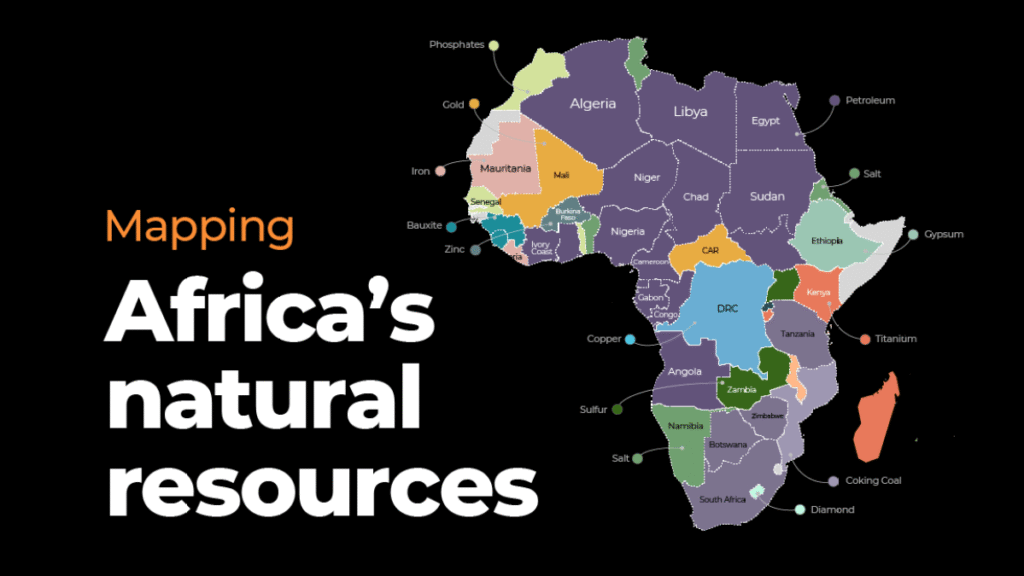
President Mahama pointed out that gold, bauxite, and manganese are among the minerals produced. Despite this abundance, he acknowledged that historically, very little value had been added locally.
“My country is changing that narrative,” he told the Zambian lawmakers, outlining reforms his administration has undertaken to ensure Ghana derives greater benefit from its mineral wealth.
A key pillar of Ghana’s new approach, President Mahama explained, is the establishment of the Ghana Gold Board.
“Since the establishment of the Board, gold exports from the artisanal and small-scale mining sector have increased from 63 tonnes to 104 tonnes in 10 months.”
Beyond the increase in volume, President Mahama highlighted the significant financial impact of the reform. He described the revenue gains as particularly satisfying, noting that the exported gold generated more than $10 billion in foreign exchange inflows for Ghana within the period.
Pushing Value Addition and Local Processing
President Mahama told the Assembly that Ghana is also taking steps to domesticate value addition in the mining sector.
He revealed that the Gold Board has signed an agreement with a local refinery to process gold domestically instead of exporting raw dore gold.
The arrangement, he said, will see about one tonne of gold refined locally each week. Similar plans are underway to process manganese and bauxite within Ghana, rather than exporting the raw ores.
“We aim to commence local processing of our manganese and bauxites as well, instead of exporting the raw ores,” he said, stressing that value addition is essential for industrialisation and job creation.
Another significant reform highlighted by President Mahama is Ghana’s shift from a flat-rate mineral royalty system to a more responsive sliding scale. Under the new system, royalty rates range from 5% to 12%, depending on international market prices.
This approach, he explained, ensures that the country earns fair returns when commodity prices are high, while remaining competitive during downturns.
Continental Financing and a Shared African Vision
In concluding his address, President Mahama spoke about the need for innovative financing mechanisms to support Africa’s transformation.
He referenced his participation in the launch of the Global African Investment Summit in Dubai, an initiative led by former African Development Bank President Akin Adesina.
“This is an exciting initiative and has the potential to unlock enormous financial resources for Africa’s development.”
President Mahama’s address at the Zambia National Assembly underscored a growing consensus that Africa’s future prosperity lies in asserting control over its resources, adding value locally, and using those assets to finance sustainable development across the continent.