

By Gifty Boateng
The forensic audit report that was supposed to expose how $195 million was spent on the 2023 African Games has missed its deadline and no one in authority seems to know why.
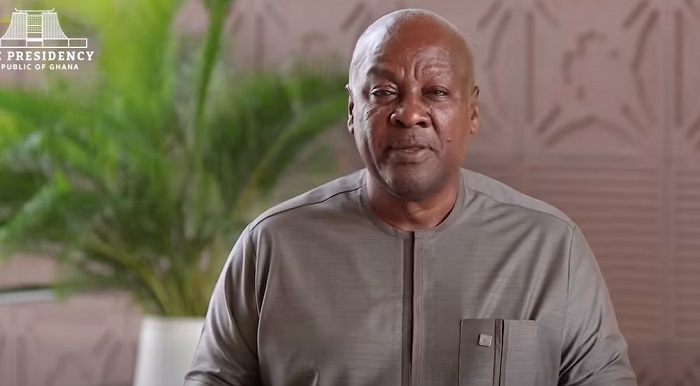
President John Dramani Mahama ordered a “comprehensive forensic audit” of the Games in November 2025, following a damning National Intelligence Bureau report on the event’s organisation under the previous administration. The Auditor-General was given until the second week of December 2025 to submit his findings.
More than two months later, the report remains outstanding.
What the Audit Was Meant to Uncover
When Ghana hosted the African Games for the first time in history, the price tag quickly became a national scandal. The government spent more than $195 million on infrastructure, with an additional $46 million reportedly needed just to cover operational costs. Critics questioned how a continent-wide sporting event could consume such sums while basic facilities across the country remained neglected.
The forensic audit was designed to answer specific questions:
· Did contractors and suppliers follow the Public Procurement Act, or were deals awarded to connected insiders?
· Where did all the money go, including sponsorships and government subventions?
· Were the facilities built on time, on budget, and worth what the country paid?
· Who now owns the assets and are they being used, or sitting idle?
· And perhaps most critically: which agencies and committees oversaw this spending, and did they sound any alarms?
These are not abstract inquiries. They go to the heart of how Ghana manages public funds when the spotlight is bright and the world is watching.
The Timeline That Slips
President Mahama’s directive was clear. The Auditor-General was to deliver the report by mid-December. That deadline passed with silence. Then January. Then February.
On Thursday, Franklin Cudjoe, founding president of policy think tank IMANI-Africa, announced he had checked on the report’s status. His finding: “Auditor General says the reports will be ready from next Friday” 27 February, nearly three months after the original deadline.
The delay itself raises questions. Forensic audits are complex, certainly. But the Auditor-General’s office had months to prepare before the November directive, given the public controversy surrounding the Games. What accounts for the extended timeline?
The Politics of Accountability
The African Games spending became a political flashpoint long before the current administration took office. In March 2024, the then-opposition National Democratic Congress issued a blistering statement, calling the expenditure “outrageous” and demanding the resignation of Sports Minister Mustapha Ussif for “gross incompetence.”
Sammy Gyamfi, the NDC’s National Communications Officer at the time, accused the government of sinking funds into an event that yielded “nothing but embarrassment and shame.”
Now in power, the NDC faces pressure to deliver on its promises of accountability. The forensic audit is not merely an administrative exercise; it is a test of whether the new government will pursue the kind of transparency it demanded from its predecessors.
The Judicial Warning
Even before the report lands, Cudjoe has issued a caution that speaks to broader frustrations with Ghana’s accountability machinery. He wants any prosecutions arising from the audit to move quickly within four months of charges being filed.
“About three high profile cases have suffered this judicial delay!” he noted, pointing to a pattern of investigations that yield charges, only to see those charges languish in court for years.
The warning is prescient. Ghanaians have watched numerous scandals produce damning reports and even prosecutions, only for the cases to disappear into the judicial labyrinth. If the African Games audit reveals wrongdoing, the public will be watching not just the report but what follows.
What the Audit Will Examine
The terms of reference for the forensic audit are unusually detailed, suggesting the President’s office anticipated the complexity of what might be found. Auditors are instructed to examine:
Procurement and contracting: Were tenders competitive? Did contractors meet requirements? Did anyone bypass the Public Procurement Act?
Financial management: All sources of funding government allocations, sponsorships, international contributions will be traced. Disbursements and expenditures will be scrutinised for signs of irregularity.
Infrastructure delivery: Beyond simple cost accounting, auditors must assess whether facilities delivered value for money and whether cost variations were justified.
Asset management: A complete inventory of what was built or bought, who owns it now, and whether it is being used productively.
Institutional oversight: Perhaps most sensitive, this section examines whether the agencies and committees responsible for the Games failed in their duties and if so, who knew what and when.
The Waiting Game
For now, the country waits. The Auditor-General’s office has offered no public explanation for the delay. The presidency has not commented on the missed deadline. And the $195 million question what really happened to the money remains unanswered.
When the report finally arrives, it will land in a political environment primed for its findings. The Mahama administration has positioned itself as a clean break from the previous government’s alleged profligacy. The African Games audit offers an early opportunity to demonstrate that commitment.
But as Cudjoe’s warning suggests, the report itself is only the beginning. The harder part ensuring that findings lead to action and that action leads to accountability still lies ahead.
For now, Ghana waits. The athletes have gone home. The facilities stand. And somewhere in the Auditor-General’s office, a report that was due in December awaits a final signature.