


Following allegations of voter inducement linked to the National Democratic Congress parliamentary primaries in the Ayawaso East Constituency, President John Dramani Mahama has directed the immediate recall of Mohammed Baba Jamal Ahmed, who won the primaries, from his post as Ghana’s High-Commissioner to the Federal Republic of Nigeria.
The directive, issued on the day of the primaries, underscores the government’s stated commitment to upholding ethical standards in public office and safeguarding the integrity of state institutions.
In a statement signed by the Spokesperson to the President and Minister for Government Communications, Felix Kwakye Ofosu, the President explained that the decision was taken in response to allegations of vote buying that emerged during the conduct of the NDC primaries.
While acknowledging that claims of inducement were made against more than one candidate who contested the internal party election, the President noted that Baba Jamal was the only serving public officer among the aspirants.
According to the statement, the President’s directive to the Minister for Foreign Affairs was informed by the need to uphold the standards of conduct expected of individuals entrusted with public responsibility.
The recall, the Presidency stressed, is not intended to prejudice any ongoing investigations or internal party processes but rather to ensure that public office is insulated from controversy and perceived conflicts of interest.
The decision comes against the backdrop of heightened political attention surrounding the Ayawaso East primaries, which were keenly contested and closely monitored by party supporters and the wider public.
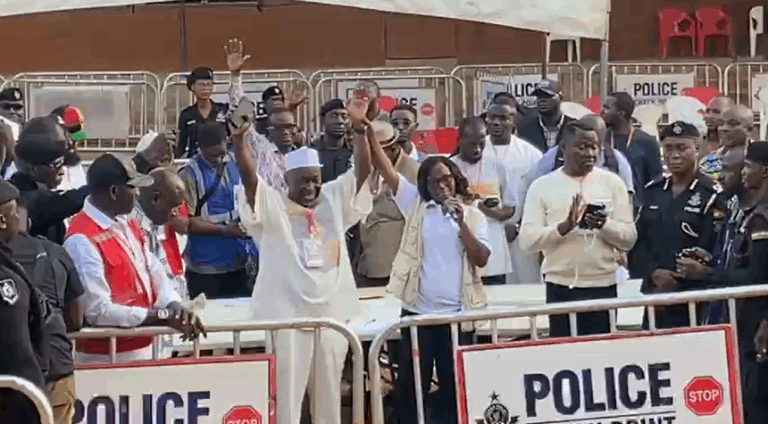
Reports of alleged inducement circulated during and after the voting process, prompting concerns about internal accountability and the credibility of party procedures.
President Mahama, in his directive, also took note of a public statement issued by the General Secretary of the National Democratic Congress, indicating that the party has initiated its own investigations into the allegations arising from the primaries.
The Presidency described the recall as a measure taken without prejudice to those internal processes, emphasizing that the party’s inquiry and the government’s action operate within separate but complementary spheres of responsibility.
The statement explained that the President considered it necessary to act decisively, given the expectations placed on political appointees and senior public officers.
It said the recall was aimed at preserving the integrity of public office and preventing any perception of impropriety that could undermine public confidence in government institutions.
Reference was also made to the Government’s Code of Conduct for Political Appointees, which sets out standards intended to guide ethical behavior and accountability.
“The President considers it necessary to act decisively to preserve the integrity of public office and to avoid any perception of impropriety or conflict with the Government’s Code of Conduct for Political Appointees.”
The recall takes effect immediately, with the Minister for Foreign Affairs directed to initiate the necessary administrative and diplomatic steps to give effect to the President’s decision.
This includes formally notifying relevant authorities and ensuring continuity in Ghana’s diplomatic representation in Nigeria while arrangements are made for the next steps.
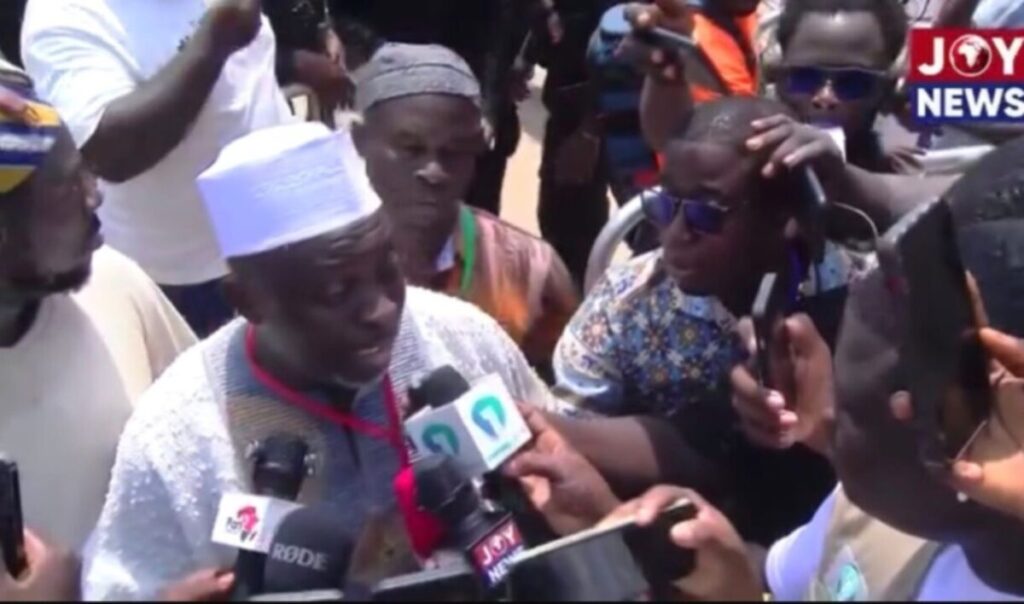
Mohammed Baba Jamal Ahmed, popularly known as Baba Jamal, has previously served as a Member of Parliament and held ministerial responsibilities before his appointment as High Commissioner to Nigeria.
His participation in the Ayawaso East primaries, alongside his diplomatic role, placed him in a unique position compared to the other aspirants, a factor that featured prominently in the President’s reasoning.
Political analysts say the recall reflects a broader effort by the Mahama administration to draw a clear line between partisan political activities and the responsibilities of public office.
By acting swiftly, the Presidency appears intent on reinforcing the principle that public officers must be held to higher standards, particularly during politically sensitive periods.
The development is also expected to influence ongoing discussions within the NDC about internal discipline and the conduct of party primaries. As the party proceeds with its investigations, the outcome may shape future guidelines for aspirants who simultaneously hold public appointments.
For now, the focus remains on the implications of the President’s directive for Ghana’s diplomatic engagement with Nigeria and the broader message it sends about accountability in public service.
The Presidency has reiterated that the action is guided by the need to protect institutional integrity and maintain public trust in government. As the situation unfolds, attention will likely turn to the conclusions of the NDC’s internal investigations and any further administrative decisions that may follow.
The recall of a sitting High Commissioner in the midst of a domestic political contest marks a significant moment, highlighting the complex intersection between party politics, public office, and ethical governance in Ghana’s democratic system.