

By Nelson Ayivor
Chief Justice nominee Justice Paul Baffoe-Bonnie has vowed to embark on a transformative journey within Ghana’s judiciary, with a resolute commitment to rebuilding public trust and enhancing institutional credibility, as he faced rigorous vetting by Parliament’s Appointments Committee.
During his appearance before the committee, Justice Baffoe-Bonnie described the moment as a crucial juncture in Ghana’s democratic advancement, characterized by widespread doubt among the public and a growing call for a justice system that is equitable, transparent, and accessible to all citizens.
In his compelling testimony, the nominee expressed his awareness of the evolving role expected of the judiciary, transcending its traditional functions to encompass moral leadership and the ability to instill confidence among the populace.
Articulating his vision for the future, Justice Baffoe-Bonnie outlined three fundamental pillars that would underpin his tenure if confirmed—clarity and predictability in procedures, efficiency and accountability, and a commitment to open justice. He asserted that these core principles were indispensable for reshaping the judiciary into a more citizen-centric institution capable of meeting contemporary challenges.
“If granted your approval, I am dedicated to ushering in an era characterized by enhanced transparency, efficiency, and accessibility within our judicial system,” he affirmed to committee members.
The nominee stressed the imperative of close collaboration with key stakeholders including Parliament, the Ghana Bar Association, judicial personnel, civil society organizations, and the public, emphasizing that access to justice should be universal and unimpeded by one’s status or affiliations.
Justice Baffoe-Bonnie emphasized that the judiciary’s credibility and legitimacy hinge on the public’s trust in its independence and its role as a safeguard for the vulnerable while holding the powerful accountable.
In addition to outlining internal reforms, he underscored the symbolic significance of the Chief Justice as the guardian of the judiciary’s credibility. “The Chief Justice’s mandate goes beyond adjudicating cases to preserving the integrity of justice itself,” he proclaimed, highlighting his responsibility to uphold fairness, consistency, and insulation of the law from political influence.
The nomination of Baffoe-Bonnie follows the recent removal of Chief Justice Gertrude Araba Esaaba Sackey Torkonoo based on recommendations from a committee led by Justice Gabriel Scott Pwamang under Article 146.
This development has sparked considerable discourse on Ghana’s constitutional mechanisms for addressing judicial misconduct and reinforcing the Chief Justice’s role as a stabilizing force within the judiciary.
Against the backdrop of waning public confidence in the judicial system, as evidenced by the Afrobarometer survey findings, Justice Baffoe-Bonnie’s assurances of reform, transparency, and ethical stewardship carry significant weight and are closely scrutinized by citizens, civil society groups, and legal experts.
As he wrapped up his testimony, the nominee reiterated his resolve to rebuild trust in Ghana’s judiciary. “With your guidance and collaboration, I am committed to restoring confidence in our highest institution and honoring the legacy of our predecessors,” he affirmed, signaling his ambition not only to uphold but to rejuvenate the judiciary’s standing for future generations.
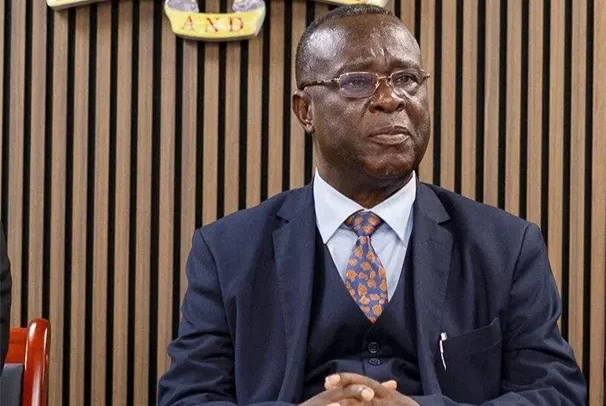
Baffoe-Bonnie Vows for Justice: Promises to Rebuild Trust in Judiciary
0Related Posts
Add A Comment
© 2026 THE NEW REPUBLIC GH.
About | Contact | Privacy Policy