

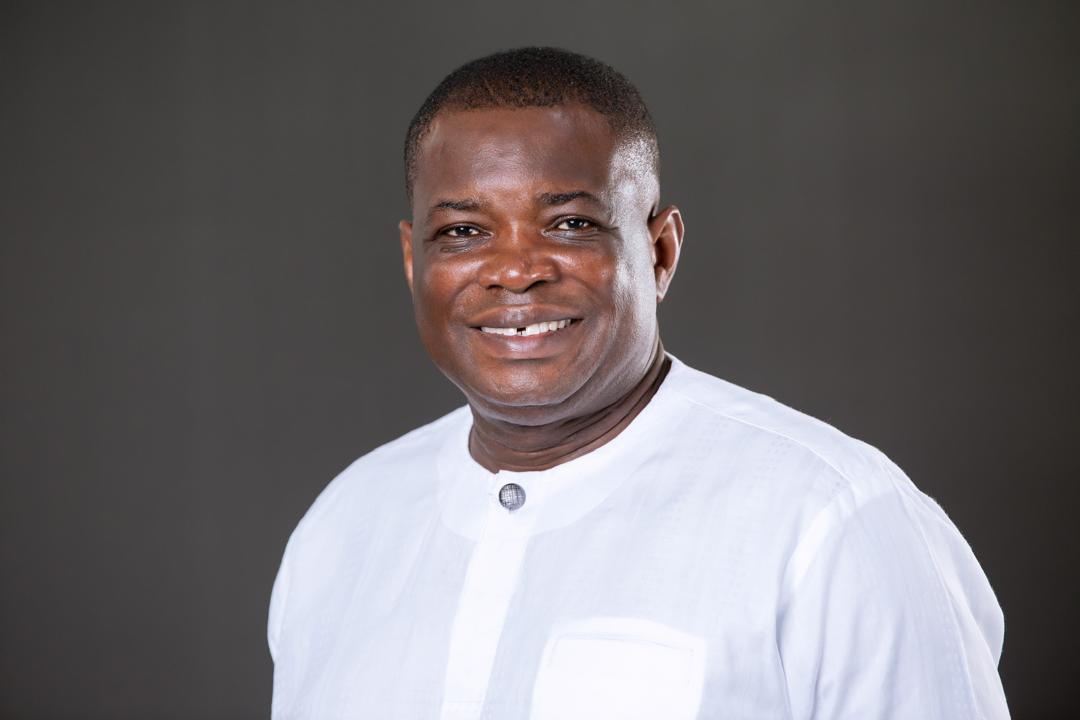
Agbodza Reveals Why Major Road Constructions Are Ahead of Schedules
By Prince Ahenkorah
The government’s flagship road infrastructure programme, the Big Push, has reached a critical halfway mark on key trunk corridors thanks, according to Roads and Highways Minister Governs Kwame Agbodza, to an unprecedented 24-hour, three-shift construction drive.
But even as asphalt replaces potholes on routes long abandoned by commercial transporters, a parallel battle is playing out in Parliament and the press over how the contracts were awarded.
Speaking to Joy News, Agbodza painted a picture of frenetic activity across the nation’s “spine” roads: the Western corridor from Takoradi through Wenchi to Wa, the Eastern route from Tema via Hohoe to Jasikan, and the central artery linking Accra, Kumasi and Tamale. After years of neglect, he said, contractors working in three rotating shifts have pushed some segments to 50% completion, with a handful aiming to finish by year’s end.
To sustain momentum, the minister revealed, contractors have resorted to novel measures including hiring local food vendors to serve meals on-site, eliminating lunch breaks that once halted machinery.
Some firms have maintained this continuous cycle for four months, a pace Agbodza attributes to the programme’s structure: nine contractors, each handling 25–30km stretches, creating what he called “peer pressure” to outperform neighbours.
Yet the celebratory tone belies a growing controversy over how those contractors were chosen.
Facing mounting criticism from the Minority and investigative platform The Fourth Estate, Agbodza took to Parliament on March 24 to defend the procurement process.
His numbers: 44% of major contracts under the Big Push were awarded through sole sourcing, at a total cost of GH¢14.8 billion across 23 projects. The remaining 56%, he insisted, came from open competitive bidding more than 400 contracts in total, a figure he described as unprecedented for the sector.
The minister argued that many of the sole-sourced contracts were merely extensions of previously competitively bid projects, a common method to avoid delays that would accompany fresh procurement rounds. “This is far from the claim that the Ministry relies heavily on this method,” he said.
But for the Minority, the distinction offers cold comfort. Their concerns echoed by transparency advocates centre on the lack of full disclosure of contract details and allegations of cost inflation.
The Fourth Estate’s reporting has cast a long shadow over the programme, questioning whether urgency has been used to bypass scrutiny.
Agbodza’s parliamentary intervention appeared calibrated to pre-empt further reputational damage. Yet by confirming that nearly half the major contract value flowed through non-competitive channels, he may have handed critics fresh ammunition.
Whatever the procurement method, the results are increasingly visible. Agbodza pointed to the Hohoe corridor, where STC and VIP buses have resumed operations after years of avoiding the route. “In the past, buses could not operate there,” he noted a tacit admission of the dire state of neglect that preceded the Big Push.
The minister’s challenge now is twofold: maintain the 24-hour momentum that has won early plaudits, while navigating a political storm that threatens to overshadow the infrastructure gains. With the Minority demanding full disclosure and the executive citing urgency, the debate over the Big Push is as much about process as it is about pavement.
For now, Agbodza is betting that visible results smooth asphalt where there was once ruin will outrun the controversy. But in Ghana’s charged political climate, the road to completion may prove as contentious as the construction itself.