

By Gifty Boateng
The National Food Buffer Stock Company (NAFCO), a state agency at the heart of Ghana’s food security and school feeding programmes, is undergoing a drastic managerial and financial overhaul following years of alleged mismanagement.
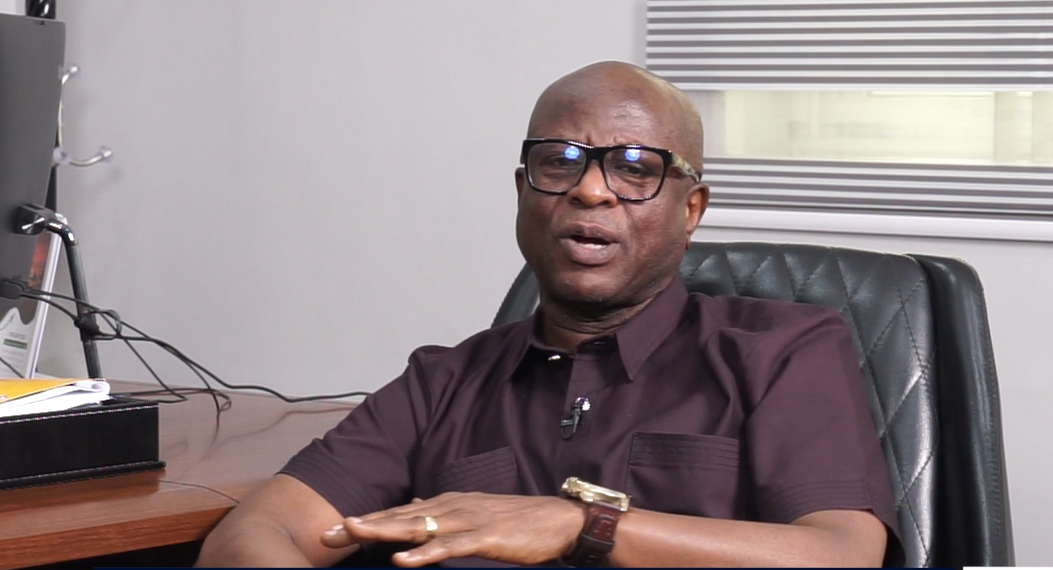
Under new CEO George Abradu-Otoo, the company claims to have posted a GHC 68 million after-tax profit for the 2025 financial year, a stark reversal from what the current administration describes as a period of institutional decay.
The reported turnaround follows the dramatic exit of former CEO Hanan Abdul-Wahab Aludiba, who is currently on trial for 21 criminal charges, including stealing, money laundering, and causing financial loss to the state.
Abradu-Otoo has publicly framed his tenure as a clean break, alleging that the company had become a “one-man show” under his predecessor.
He cites the absence of functional audit, procurement, and food safety departments for eight years, alongside a failure to hold legally required Annual General Meetings, as evidence of systemic failure.
The political dimensions of the clean-up are pronounced. NAFCO is critical to the government’s flagship Free Senior High School (FSHS) policy, supplying non-perishable food items. Any scandal or supply disruption would be politically explosive.
Abradu-Otoo has explicitly linked his operational reforms to safeguarding the FSHS, stating the administration is determined to avoid the “problems all over” that could validate opposition claims that the programme is unsustainable. The profit declaration serves as early vindication of this “reset” agenda.
However, significant challenges remain obscured by the positive headline. The company still carries an estimated GHC 40 million in legacy debts to suppliers from the previous administration, payments that are contingent on funds being released from the Ministry of Education.
While Abradu-Otoo promises payment, the outstanding debt highlights the lingering fiscal burden of past operations. Furthermore, the claim of a GHC 68 million profit, while unaudited, will face scrutiny; the company’s historical lack of transparency makes independent verification of the new figures essential.
Abradu-Otoo, a former CEO of the Precious Minerals Marketing Company, is positioning himself as a technocratic fixer, emphasising his adherence to procurement law and the establishment of internal checks and balances.
His ambitious legacy projects refurbishing warehouses, building rice mills, and establishing regional offices depend on sustained profitability and political support.
The NAFCO case is a microcosm of the broader struggle to reform Ghana’s sprawling state-owned enterprise sector. The government has achieved an initial public relations victory by replacing a figure facing serious charges with a CEO touting rapid profits.
The true test will be whether these reforms are durable, transparent, and capable of ensuring the long-term food security and fiscal health of a company deemed too critical to fail.