

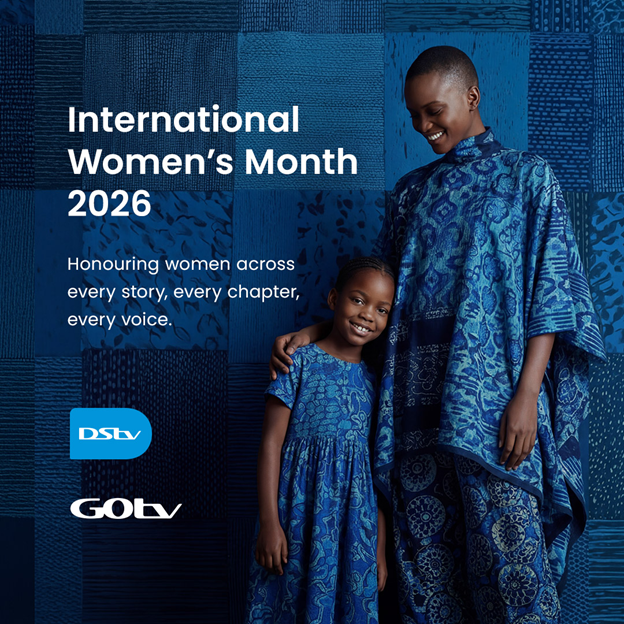
In a coordinated display of corporate virtue signaling timed to International Women’s Month, French pay-TV giant Canal+ and its local subsidiary MultiChoice have unveiled a pan-African campaign, “We are… because she is.” The offensive, which includes a slick 90-second promo rolling out across 35 countries, is ostensibly a tribute to the continent’s actresses, athletes, and auteurs.
Yet, for the discerning observer, the campaign reveals as much about the corporations’ strategic imperatives as it does about their commitment to gender equality. With regulators and competitors scrutinising Canal+’s creeping dominance following its full takeover of MultiChoice, this high-profile celebration of female storytelling serves a dual purpose: it burnishes the group’s corporate image while driving viewership to its core assets.
The programming lineup for March is a carefully curated mix of local grit and global gloss. On the ground level, MultiChoice is leveraging its local content engine, Akwaaba Magic, to showcase Ghanaian-produced dramas.
M’asaase, a period piece set in 17th-century Ghana, offers the intrigue of an “evil queen” monopolising mineral wealth a plotline that, perhaps inadvertently, echoes contemporary resource curse debates.
Meanwhile, the return of dance drama Leg Work and the market politics of Market Queens S2 provide the relatable, female-led narratives that secure DStv and GOtv’s foothold in critical West African markets.
This local push is juxtaposed with a nostalgic slate of Hollywood titles designed to fill schedule gaps and attract casual viewers.
From Gal Gadot’s sanitised feminism in Wonder Woman to the all-female heist of Ocean’s Eight, the selection feels less like a bold curatorial statement and more like a safe, rights-friendly grab bag of “strong female lead” tropes.
Even the inclusion of reality staples like Sister Wives on TLC or AEW: Women of Dynamite on TNT Africa serves a familiar purpose: using women’s stories to lock in viewership across specific demographies, from reality TV enthusiasts to sports fans.
While the group positions itself as a champion of female narratives, the underlying business remains a battle for subscription supremacy.
As Canal+ integrates MultiChoice into its broader empire, content is the weapon of choice.
By branding itself as the home of female empowerment from the football pitch to the director’s chair the group is not just celebrating women; it is courting them as loyal subscribers in an increasingly fragmented streaming landscape.
The campaign is polished, the intentions seem noble, and the programming is plentiful. But in the new republic, we recognise a simple truth: when corporations wrap themselves in the banner of social progress, they are often drawing a map to their own market strongholds.