

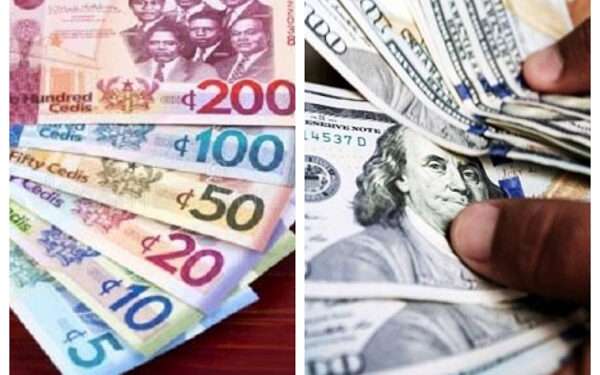
The Ghanaian cedi has once again come under intense scrutiny as it depreciated to a new level against the US dollar.
According to the latest official rates released by the Bank of Ghana on Friday, April 10, the cedi is now buying at GHS11.0145 and selling at GHS11.0255 to one US dollar.
This development signals mounting forex pressure on the local currency, raising concerns among businesses, importers, and ordinary Ghanaians who rely on stable exchange rates for daily transactions.
Current Exchange Rate Snapshot
On Friday, the interbank market showed the cedi trading at an average of around 11.02 to the dollar. The pound sterling stood stronger, with buying at GHS14.8079 and selling at GHS14.8238.
The euro followed suit, buying at GHS12.8977 and selling at GHS12.9105. These figures reflect a continued challenge for the cedi amid broader global and domestic economic dynamics.
While the movement appears marginal on a daily basis, cumulative pressures have built up over recent weeks, prompting analysts to watch the currency closely.
Many market participants describe this as a fresh test for the local unit. Importers face higher costs when converting cedis to dollars for essential goods, while exporters may benefit slightly from the weaker cedi. However, the overall sentiment points to caution as forex demand remains elevated.
Governor Addresses Depreciation Concerns
Earlier this year, Bank of Ghana Governor Dr Johnson Pandit Asiama offered reassurance regarding the cedi’s movements. During the 128th Monetary Policy Committee press conference in Accra, he addressed questions about recent depreciation.
Dr Asiama stated that it was normal for the cedi to witness marginal depreciation. “Don’t get worried if you see the cedi moving a little bit; it is normal. Speculative behaviour can move the cedi. It is more of a short-term kind of factor, but it will fall in line. We have announced a number of reforms,” he explained.
His comments came at a time when the cedi had already shown some weakness in the early part of 2026. The governor emphasized that such fluctuations often stem from temporary factors rather than fundamental economic weaknesses. He pointed to ongoing reforms aimed at strengthening the currency’s resilience over the medium to long term.
Factors Driving Forex Pressure
Several elements appear to be contributing to the current pressure on the cedi. Seasonal demand for foreign currency tends to rise in the first quarter as businesses settle import bills and prepare for new financial cycles. Heightened activity in sectors such as manufacturing, retail, and services has increased the need for dollars, euros, and pounds.
Global economic conditions also play a role. Fluctuations in commodity prices, particularly gold, which remains a key export for Ghana, can influence forex inflows. While robust gold revenues have provided some buffer in the past, any slowdown in export earnings or rise in import costs can tilt the balance.
Speculative activities in the forex market further amplify movements. Short-term traders sometimes react quickly to news or rumors, leading to temporary volatility. The Bank of Ghana has continued to monitor these dynamics closely through its daily interventions and policy tools.
In addition, broader macroeconomic indicators remain under review. Inflation trends, interest rates, and fiscal discipline all intersect with exchange rate stability. The central bank’s efforts to manage liquidity and maintain reserves have helped prevent sharper declines, but the task remains ongoing.
Impact on Businesses and Households
The depreciation to GHS11.01 has direct implications for different segments of the economy. Importers of raw materials, fuel, and finished goods are likely to see increased costs, which could eventually feed into higher consumer prices. Small and medium-sized enterprises, many of which operate with thin margins, feel the pinch most acutely.
Households face indirect effects through the prices of imported food items, electronics, vehicles, and other essentials. A weaker cedi makes foreign products more expensive in local terms, potentially affecting purchasing power and living standards.
On the positive side, exporters and tourism operators may gain some competitiveness. A lower cedi value can make Ghanaian goods and services cheaper for international buyers, possibly boosting foreign exchange earnings over time.
Analysts note that while short-term pain exists, the overall macroeconomic framework seeks to balance these trade-offs. The central bank has highlighted the high cost of achieving stability in previous periods, including significant resources used to mop up excess liquidity and bring inflation under control.
Outlook and Policy Response
Overall, projections for the cedi vary. Some research houses anticipate moderate depreciation throughout 2026, with estimates suggesting the currency could end the year around the 12.00 to 12.85 range against the dollar, depending on policy execution and external conditions.
The Bank of Ghana maintains that its reforms will help anchor expectations and reduce excessive volatility. Measures include tighter oversight of the forex market, efforts to boost domestic production to cut import dependence, and continued collaboration with fiscal authorities to ensure policy consistency.
Governor Asiama and the Monetary Policy Committee have signaled a commitment to prudent management. Recent decisions on the monetary policy rate reflect a balance between supporting growth and safeguarding stability.
Market watchers advise businesses to adopt hedging strategies where possible and plan for potential fluctuations. For ordinary citizens, focusing on local alternatives and prudent spending can help mitigate some effects.
Navigating Currency Challenges
The cedi’s move to GHS11.01 against the dollar underscores the persistent nature of forex pressures in an open economy like Ghana’s. While the latest rates from the Bank of Ghana confirm the depreciation, official statements remind stakeholders that marginal movements are part of normal market behavior, especially when driven by short-term speculative factors.
With announced reforms in place and ongoing vigilance from the central bank, there is cautious optimism that the currency will align with broader stability goals. Sustained economic discipline, increased export revenues, and controlled import demand will be critical in the coming months.
As Ghana continues its journey toward stronger macroeconomic fundamentals, the performance of the cedi remains a key barometer of progress.
Stakeholders across the board will be monitoring developments closely in the weeks and months ahead.