

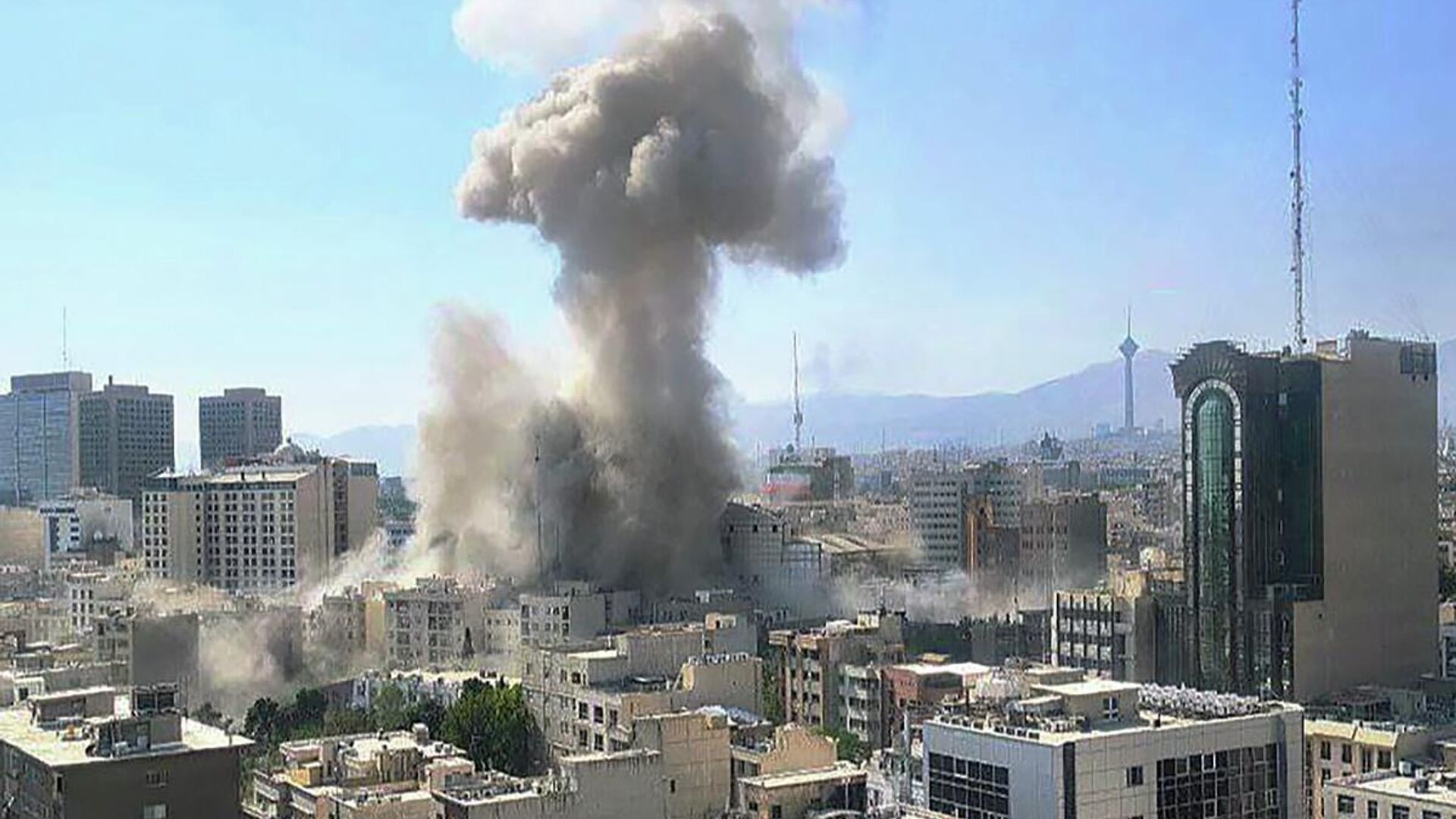
A coalition of political movements, trade unions, civil society groups, and Pan-African organizations from across Africa, the Caribbean, Latin America, Europe, North America, and Asia have issued a joint statement condemning what it describes as military aggression against Iran.
The statement, released on March 1, 2026, brings together progressive forces, youth and women’s movements, faith-based justice networks, scholar-activists, and community organizations from several countries.
The coalition says its members do not share identical ideological views about the Iranian government or global geopolitics but have united around a shared commitment to human dignity, democratic self-determination, and respect for international law.
According to the statement, recent developments, including what the coalition describes as a military attack on Iran involving the United States and Israel raise broader concerns about the use of force in international relations and the respect for national sovereignty.
The coalition argued that such actions raise fundamental questions about whether global power will continue to be guided by international law or shaped primarily by political influence.
Despite presenting a united front against military action, the coalition acknowledged internal differences among its members regarding Iran’s political system and the appropriate international response to conflicts.
Some signatories believe that any external military intervention in Iran would violate the country’s sovereignty and set a dangerous precedent for countries in the Global South.
Others within the coalition emphasized the importance of protecting the rights of Iranian citizens, including their right to peaceful protest.
There were also differing views on sanctions. While some groups rejected sanctions entirely, describing them as collective punishment against civilians, others argued that multilateral measures short of military force could be legitimate if they are specifically aimed at protecting civilian populations.
However, the coalition stated that its members agree on several fundamental principles, including opposition to military conquest, political repression, and policies that impose collective suffering on civilian populations.
The coalition called on the international community to take several immediate steps to address the situation.
Among its demands are the condemnation of any military aggression against Iran, the convening of an emergency session of the United Nations Security Council, and an independent investigation into the legality of the reported attack.
The statement also urged an immediate de-escalation of military tensions and the cessation of actions that could endanger civilian populations. It called for stronger protection of Iranian sovereignty and criticized economic sanctions that restrict access to essential resources such as food, medicine, and financial systems.
Additionally, the coalition encouraged diplomatic engagement and multilateral negotiations as the primary means of resolving international disputes.
The group also announced plans to mobilize public protests, forums, and educational campaigns aimed at raising awareness about the human cost of military interventions.
In its statement, the coalition said its position is grounded in several international legal frameworks, including the United Nations Charter, the Declaration on Friendly Relations, the Universal Declaration of Human Rights, and international treaties on civil, political, economic, and social rights.
It argued that sustainable peace cannot be achieved through military action but must be built through dialogue, mutual recognition, and adherence to international legal norms.
The statement was endorsed by dozens of organizations from different regions, including political parties, labor unions, youth movements, and Pan-African advocacy groups.
Among the signatories are the Convention People’s Party in Ghana, the Socialist Movement of Ghana, the Communist Party of Benin, Friends of the Congo in the Democratic Republic of the Congo, the Sudanese Communist Party, the Pan-African Progressive Front in Ghana, and the National Federation of Education in Morocco, among others.
The coalition concluded its statement by urging global solidarity to prevent further escalation of conflict and to protect international law.
“Peace cannot be achieved through airstrikes or military intimidation,” the statement said. “Sustainable peace requires dialogue, mutual recognition, and adherence to international norms.”