

By Nelson Ayivor
With Christmas and the New year season just around the corner, Ghanaian households preparing their festive menus may finally catch a break after months of price volatility. Data released for November 2025 shows food inflation dropping sharply to 6.6%, down from 9.5% the previous month, raising optimism that this year’s celebrations will put less strain on family budgets.
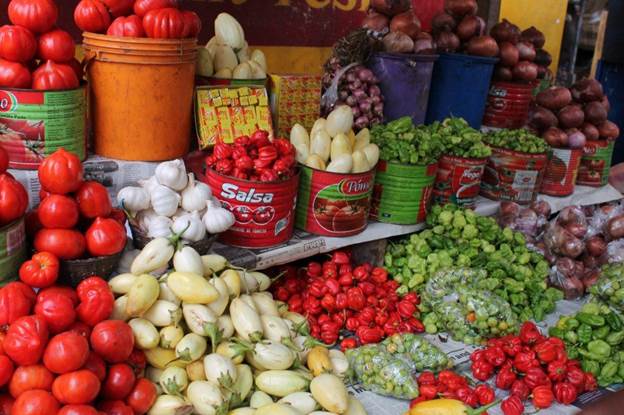
The decline, one of the steepest in recent months, comes as shoppers begin stocking up on seasonal essentials such as rice, poultry, cooking oil, vegetables and beverages. Traders across major markets say the slowdown in food price growth is already noticeable. While Christmas typically drives a surge in demand, many sellers report more stable prices compared to the same period last year.
“This Christmas, we expect a lot of buying because prices are a bit lower,” Abena, a trader, told The New Republic. “People are coming early and buying more, and we’ll likely see even more as the holidays get closer since food isn’t as expensive as before.”
Analysts attribute the easing to better supply of locally produced staples and improved transportation conditions through the last quarter of the year. Inflation for locally produced food items fell to 6.8%, while imported food inflation dropped to 5.0%, supported partly by a more stable cedi in recent weeks.
However, the seasonal spike in demand remains a risk. Prices for popular Christmas items, including chicken, tomatoes and certain beverages, could still experience short-term upward pressure in urban centres. Import-dependent goods also remain sensitive to exchange rate shifts.
Despite these risks, many consumers feel this December will be more forgiving than previous ones, when double-digit food inflation placed significant strain on families.
If current trends hold, this year’s festive season may turn out to be one of the most affordable in recent memory, offering renewed cheer for households preparing to celebrate.