

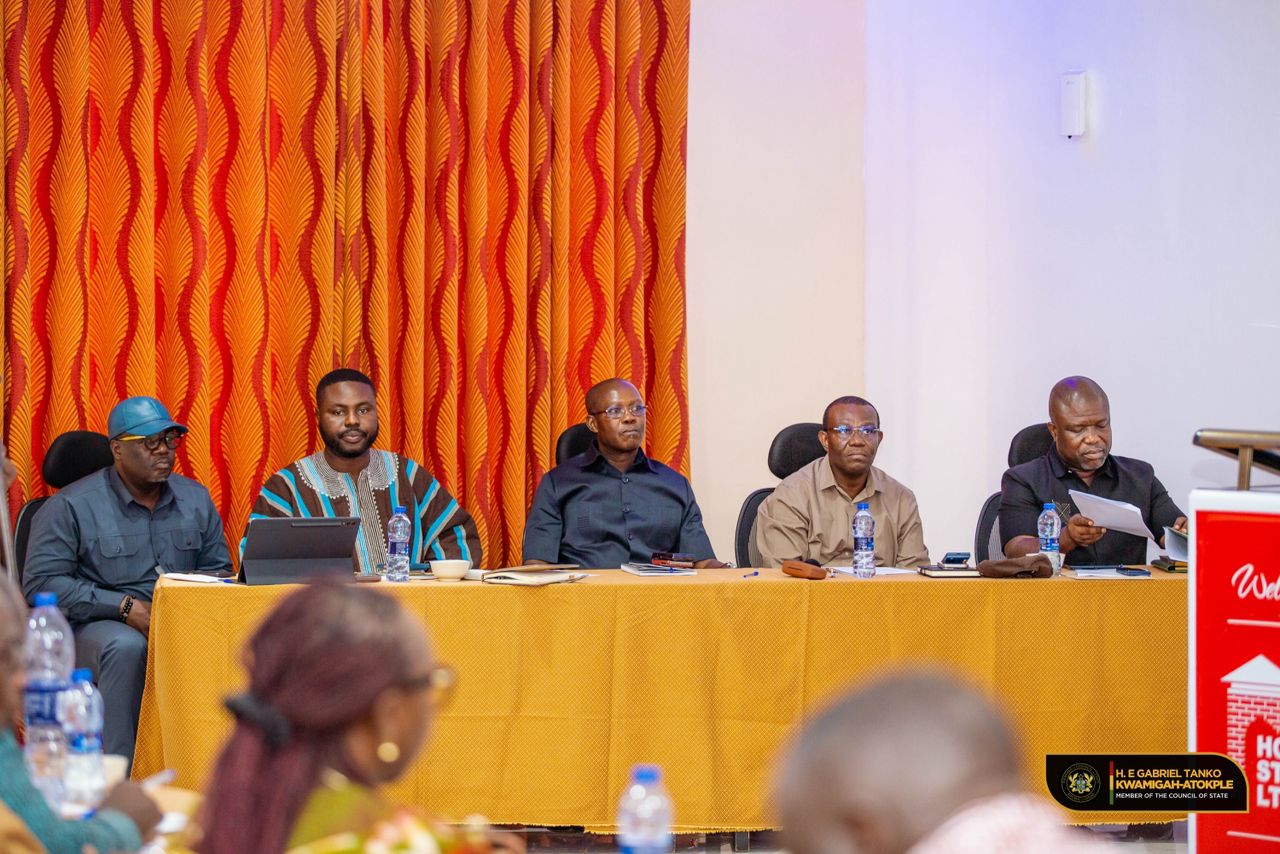
The Volta Region Caucus of the National Democratic Congress (NDC) has been told its moment for the ultimate political “harvest” is approaching. Gabriel Kwamega Tanko, the Volta Region’s representative on the Council of State, has delivered a defining, strategy-laden address to the region’s MPs, explicitly framing current unity as the essential foundation for elevating “one of us here to the highest office of the land.”
The speech, delivered at a private retreat and obtained by The New Republic, opened with a potent political parable. Tanko recounted a November 2025 encounter with an elderly constituent who questioned if he would live to see promised development, or at least witness his MP advocate for the community on television. Tanko described this not as anger, but as “patience tested by time,” underscoring that for constituents, “development is a race against time.”
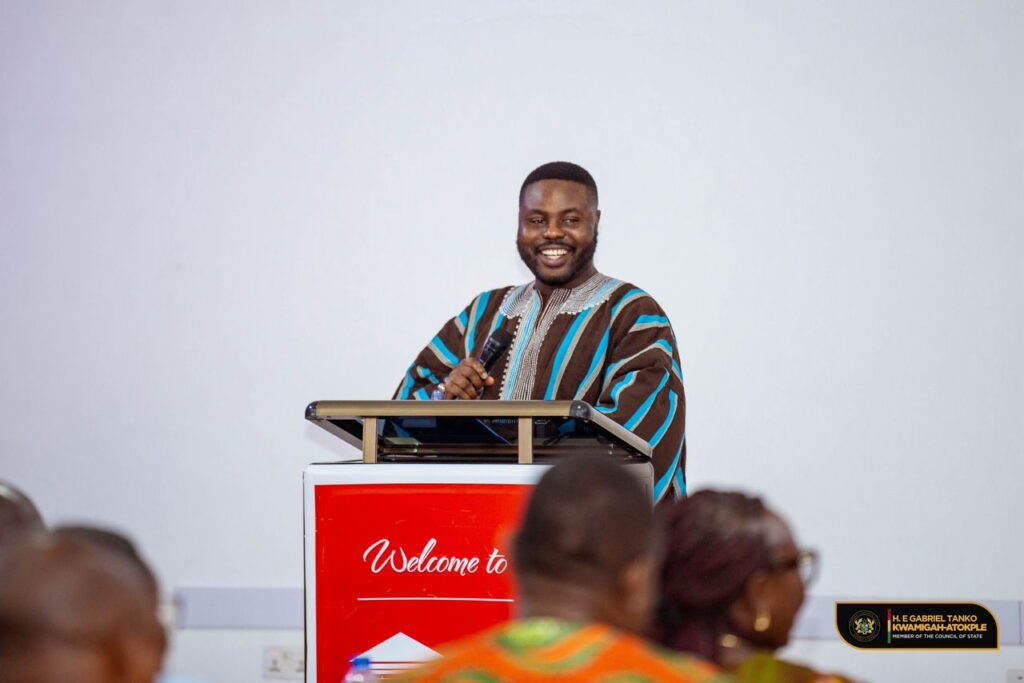
This narrative of urgent public expectation was strategically deployed to launch a three-pillar action plan, with the presidential ambition as its centrepiece.
Tanko’s primary and most revealing directive was a call for absolute caucus cohesion. He argued that while political competition is healthy, “development requires collaboration.” He insisted the Volta MPs Caucus must be a platform where “shared regional priorities rise above partisan considerations.”
He then directly linked this internal unity to a national power play: “We need this unity because the next agenda must be our collective focus to support one of us here to the highest office of the land.”
He warned this ambition “cannot be built on fragmented efforts” and that unified support must be “firm, coordinated, and credible in the eyes of the nation.”
This framing suggests serious, behind-the-scenes discussions about a post-Mahama succession plan originating from the NDC’s most loyal electoral base.
Acknowledging the influx of Volta natives into high-level government appointments under the current NDC administration, Tanko called this an “honour” and an “opportunity.”
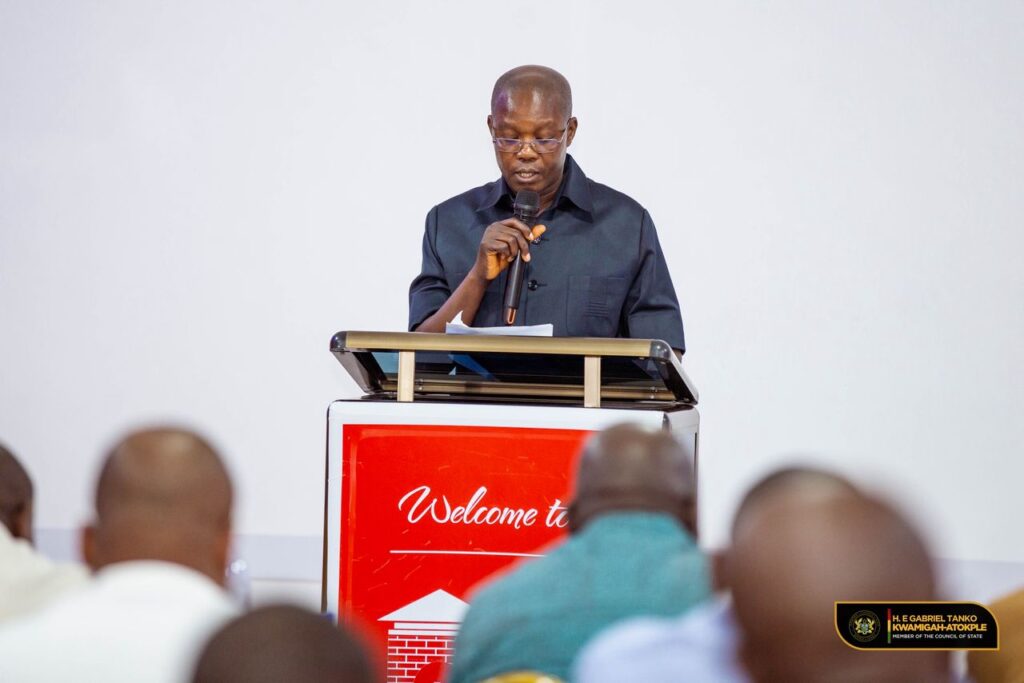
However, he stressed that “appointments alone are not enough.” He urged the caucus to use these positions to drive tangible outcomes and, critically, to “intentionally mentor and guide our young people into these institutions.”
The goal, he stated, is to build a “pipeline of experience, credibility, and national relevance” to serve the region and Ghana “well into the future.”
This indicates a long-term strategy not just to occupy positions, but to embed a generation of Volta professionals in the state apparatus, creating a durable network of influence. “We must produce heroes from our land with strategy and intent,” he asserted.
Directly responding to the elderly man’s plea, Tanko emphasized that “visible governance means that leadership must not only be effective, but also present.”
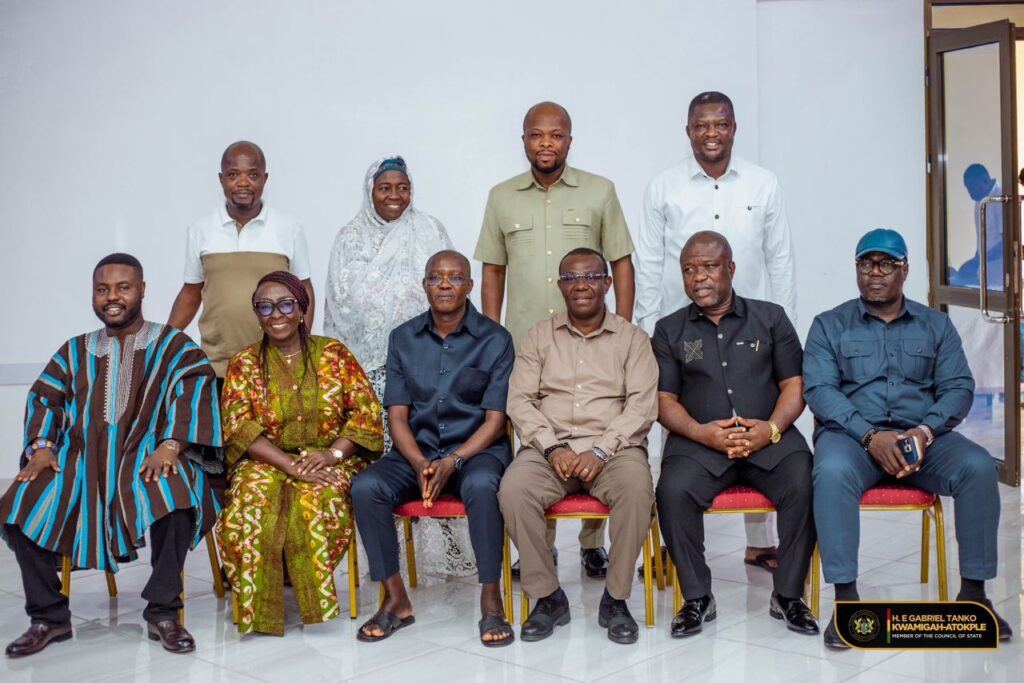
He called for deeper engagement with constituents, stronger collaboration with Metropolitan, Municipal and District Chief Executives (MMDCEs), and transparent project implementation to build trust an implicit critique of perceived aloofness.
Tanko’s speech is a landmark in the region’s political evolution. It moves the Volta Region’s discourse from its traditional role as the NDC’s unwavering “World Bank”an assured bloc of votes to an assertive bloc with a clear claim on national leadership.
By titling the engagement “The Season of Harvest Convocation,” Tanko signals that the period of loyal support is expected to yield a tangible political return: a presidential candidate from the region.
The speech is less a motivational talk and more a tactical briefing, outlining how to convert regional solidarity into national executive power.
It reveals a calculated, long-game strategy being formulated at the highest levels of the region’s establishment, with the Council of State member acting as its strategic enunciator. The “harvest” he speaks of is unequivocally the presidency.