

By Nelson Ayivor
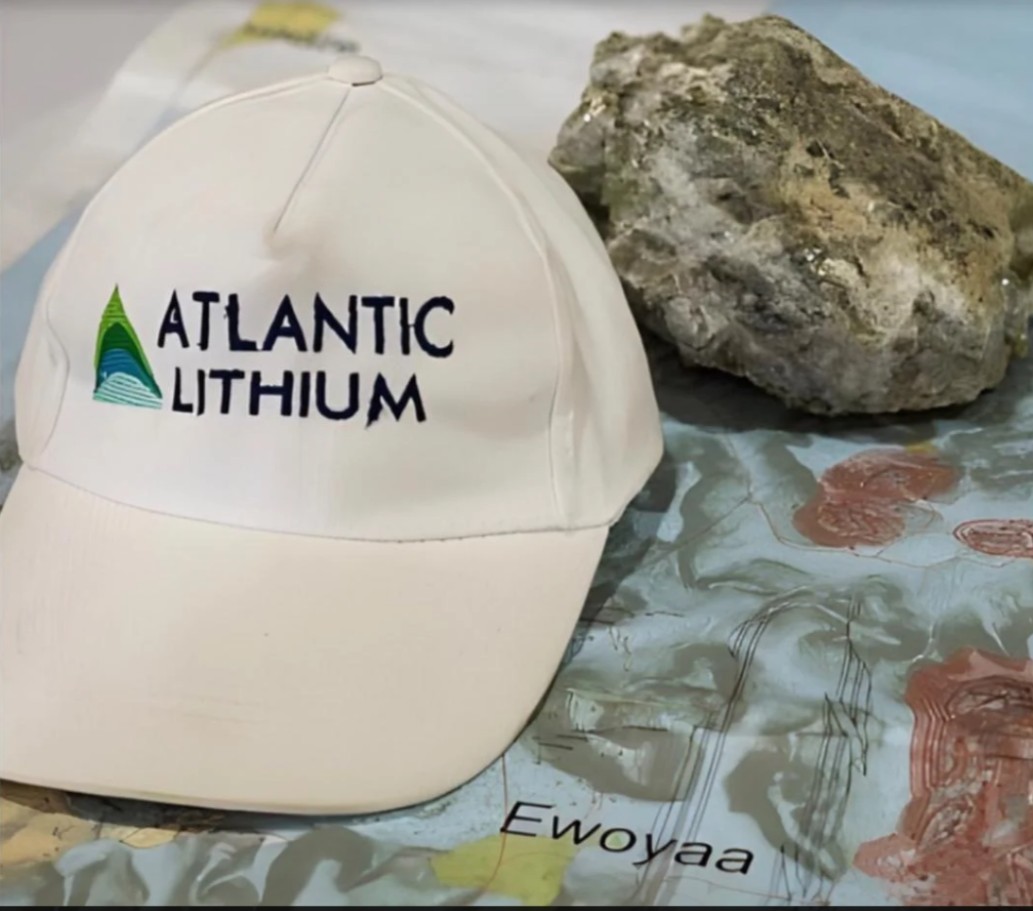
A group calling itself the Concerned Ewoyaa Lithium Affected People (CELAP) in the Mfantseman Municipality of the Central Region has issued a stern warning to the government and Atlantic Lithium Mining Company, threatening to hit the streets over what they described as indefinite halt of their personal and economic developments.
According to the group, since December 4, 2023, developmental activities in Abonko, Krofu, Ewoyaa, Krampahkrom, and the Krofu Hospital Area have been forcibly suspended to facilitate the Ewoyaa Lithium Project, yet affected residents have been left in a state of total financial abandonment, with their compensations still unpaid.
Frank Acquah, Secretary of the Concerned Ewoyaa Lithium Affected Peoples (CELAP), alleged that their repeated efforts to engage Atlantic Lithium Mining firm have been ignored.
“Our structures and materials on site are damaged, and our lives have been placed on infinite hold. This failure is a clear violation of Article 20 of the 1992 Constitution of Ghana, which guarantees the prompt payment of fair and adequate compensation when property rights are affected —We feel displeased, ignored, and disregarded in the country,” Acquah lamented.
This growing agitation is fueled by a severe livelihood crisis, as the lithium deal once touted as a beacon of economic hope has instead left the Mfantseman Municipality in a state of paralysis.
While Atlantic Lithium and the government have been locked in protracted negotiations over a sliding-scale royalty system and parliamentary ratification, the “ban on cash flows” has stripped local farmers of their primary income, forcing many into the indignity of rented accommodations and high-interest debt.
Despite the lithium project’s promise of being a “green mineral” revolution, the reality on the ground is a “decline totally” in the standard of living, as the constitutional mandate for prompt, fair, and adequate compensation remains unfulfilled.
The Lithium Promise: From Prosperity to Peril
The initial framework of the Ewoyaa deal promised a transformative 10% royalty rate and a 13% state stake, designed to ensure that the Mfantseman Municipality benefited directly from the global electric vehicle boom.
However, research into the current stalemate reveals that the delay in parliamentary ratification has created a “human rights vacuum” where the company is unable to trigger formal resettlement and compensation phases.
For the people of Ewoyaa, the “lithium promise” has morphed into a nightmare of financial hardship and emotional distress, with community members reporting that they are struggling to service the very loans taken to fund the projects that the company has now blocked.
Escalation: Impending Protests and Legal Redress
In a defiant stance against “violation of their property rights,” CELAP has declared that they will no longer remain silent while their futures are bargained away in Accra.
Frank Acquah emphasized that “nobody can stop us in Ghana when the time comes,” warning that the group will proceed with a massive demonstration against Atlantic Lithium.
The affected residents have further threatened that if compensation is not paid following their protest, they will forcibly return to their sites to resume work, alongside a legal suit against the mining firm for damages incurred during this period of forced inactivity.
A Plea for State and Traditional Intervention
The group has issued an urgent SOS to the highest levels of governance, calling on President John Dramani Mahama and the Minister for Lands and Natural Resources, Emmanuel Armah-Kofi Buah, to intervene.
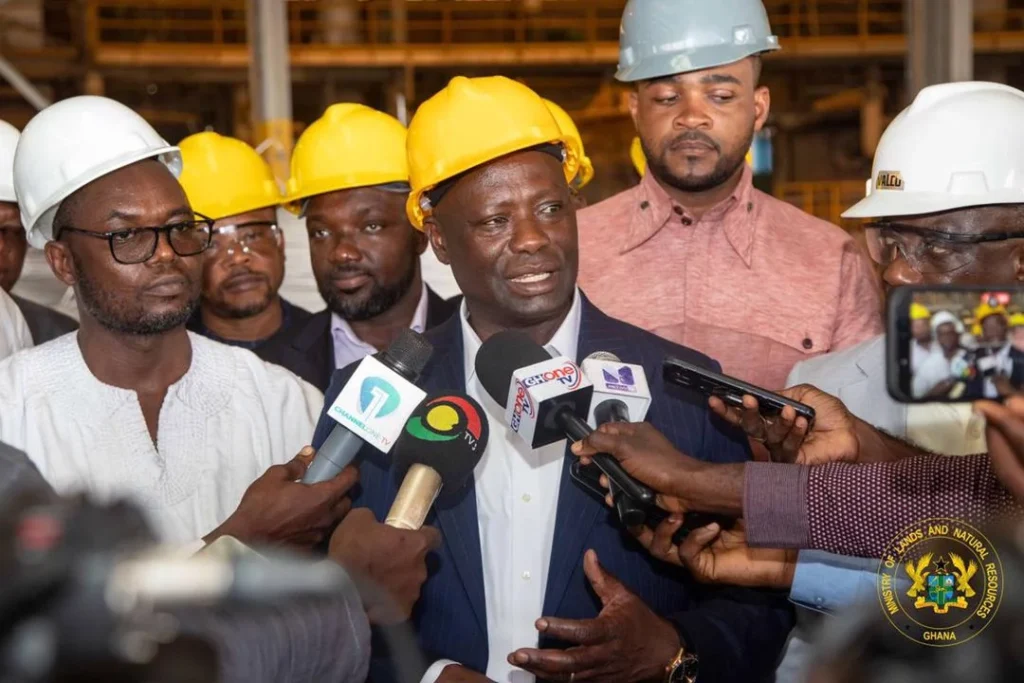
Beyond the executive arm, the group is appealing to the Parliament of Ghana, legal practitioners, religious bodies, and the Commission on Human Rights and Administrative Justice (CHRAJ) to mediate and ensure that justice is served.
As the residents of Mfantseman Municipality face deepening uncertainty, they insist that the “prompt payment of fair and adequate compensation” is the only path toward restoring the peace and stability required for the Ewoyaa Lithium Project to proceed.