

By Nelson Ayivor
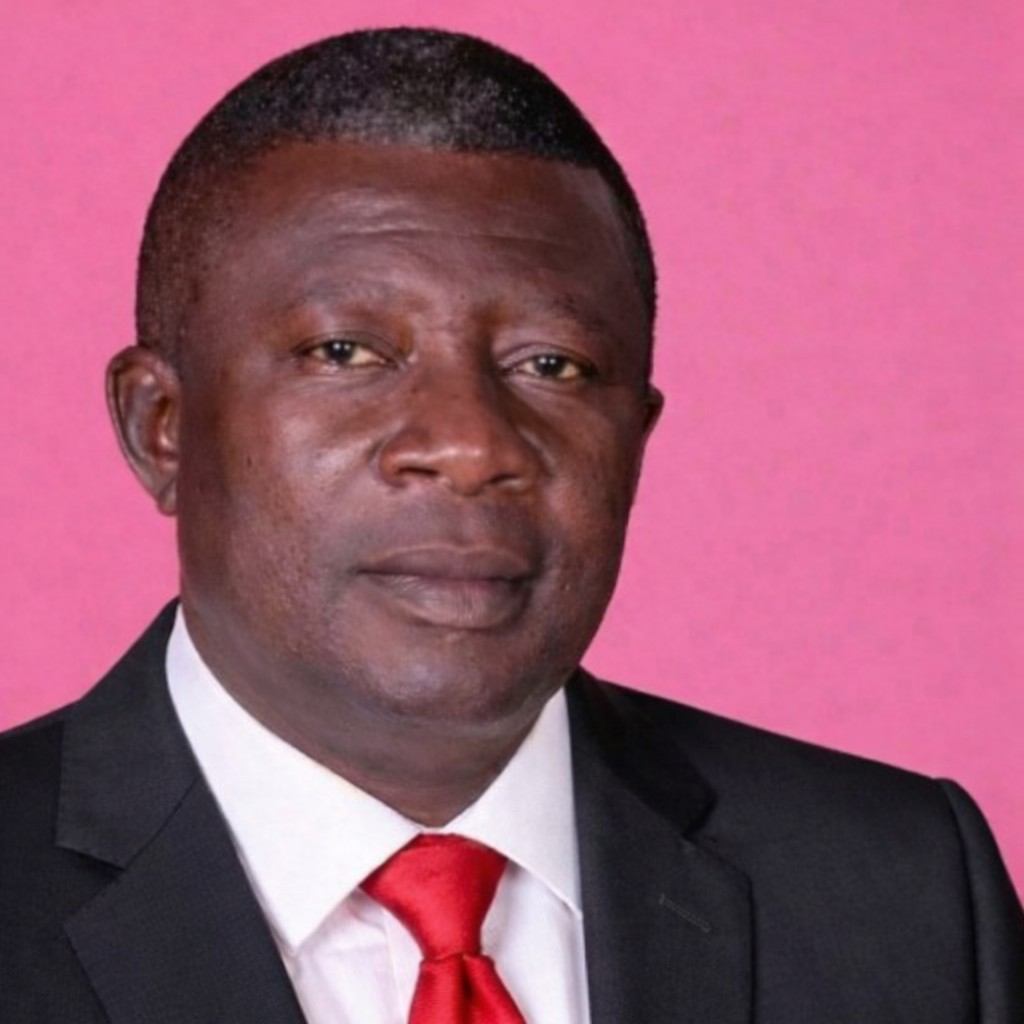
Former Member of Parliament for Ketu South, Albert Kwasi Zigah, has renewed calls for the creation of additional districts in the enclave, arguing that the area risks remaining under-developed if it continues to operate under a single administrative unit despite its growing population and geographical size.
His reflections come amid national discussions on decentralisation reforms following recommendations by a committee chaired by National Democratic Congress (NDC) Chairman, Johnson Asiedu Nketia, which recommended the upgrading of 12 municipalities to metropolitan status and 20 districts to municipal status, with one district also proposed for direct elevation to a metropolis due to strong demographic and economic indicators.
The report was presented to the Ministry of Local Government, Chieftaincy and Religious Affairs on February 24, 2026 which proposed the upgrading of several municipalities and districts to higher administrative statuses as part of efforts to strengthen local governance.
Speaking on the issue, the former MP said, Ketu South is already experiencing developmental pressure even at the Municipal level, warning that elevating it to Metropolitan status under a single administrative authority could further complicate development planning and service delivery.
According to him, population growth and the extensive geographical boundaries of Ketu South demand a more strategic decentralisation approach rather than a simple elevation of administrative status.
“In principle, metropolitan status may appear progressive, but if a large and densely populated area such as Ketu South continues to operate under one central public administration, development could still remain slow and uneven,” he explained.
Decentralisation as the True Development Key
The former legislator emphasized that true decentralisation involves expanding administrative structures to bring governance closer to communities, allowing development initiatives to be tailored to the needs of different localities.
He argued that the key to unlocking development in Ketu South lies in the creation of additional districts rather than concentrating authority within a single metropolitan structure.
“The solution is not merely to elevate Ketu South administratively, but to decentralise it further. When governance is closer to the people, development moves faster,” he noted.
Proposal for Two Additional Districts
He proposed the creation of two additional districts within the Ketu South area, which would allow different traditional and economic zones to manage their development priorities more effectively.
The proposed administrative restructuring would involve:
Aflao District – focusing on border trade, urban expansion, and cross-border economic activities
Somè-Klikor District – focusing on rural development, agriculture, and infrastructure growth.
He believes such a structure would ensure that local governance becomes more efficient and responsive, particularly in addressing infrastructure gaps, economic opportunities, and social services.
Alternative Proposal: Ketu South East
He further suggested that if the full two-district proposal is reconsidered, government could explore creating a new political boundary such as “Ketu South East District” as an immediate step toward improving administrative efficiency.
According to him, such restructuring would improve service delivery, accelerate infrastructure development, strengthen local economic planning, and ensure equitable distribution of resources among traditional areas
According to Zigah, the current administrative structure has made it difficult to ensure balanced development across the traditional areas within the Ketu South Municipality.
He explained that Somè and Klikor traditional areas continue to experience development disparities, while Aflao, as a major border town, faces unique urban pressures that require dedicated administrative attention.
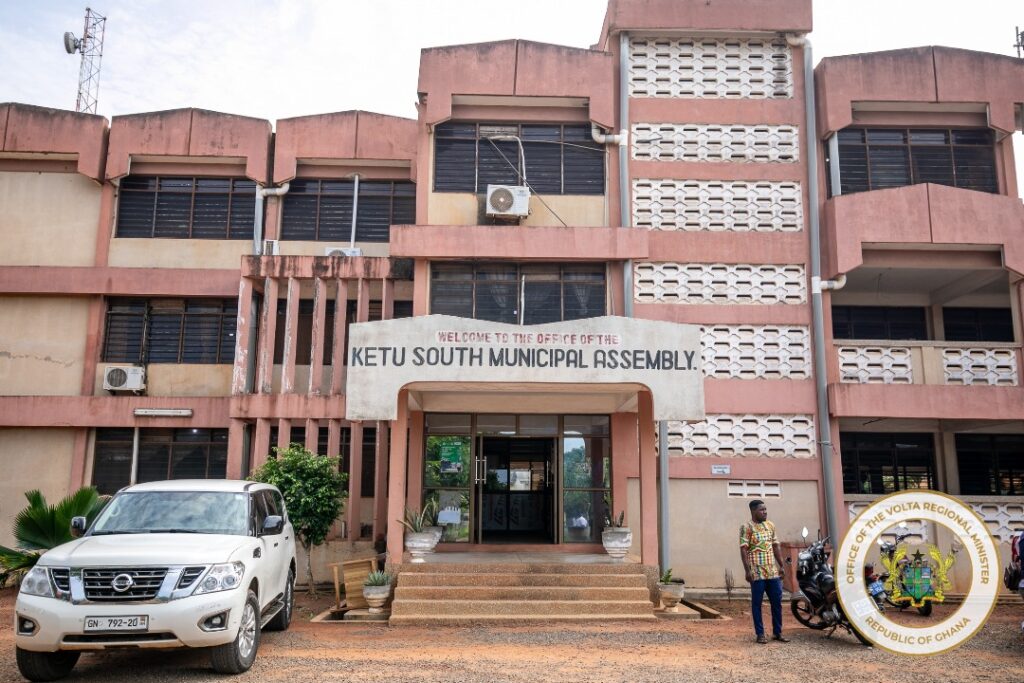
Creating additional districts, he said, would improve access to government services, strengthen local planning and budgeting, accelerate infrastructure projects and enhance economic development initiatives.
The former legislator believes that the ongoing national review of Metropolitan, Municipal, and District Assemblies provides the perfect opportunity to revisit earlier proposals aimed at expanding administrative districts within Ketu South.
He urged the government to carefully consider demographic realities when implementing decentralisation reforms.
“Ketu South has the population, the economic activity, and the geographical size that justify additional districts. That is the practical path toward genuine decentralisation and sustainable development,” he stated.
Development Beyond Administrative Titles
While acknowledging the national importance of strengthening local governance structures, the former MP cautioned against focusing solely on administrative titles such as municipal or metropolitan status without addressing the deeper structural needs of communities.
“For Ketu South, the real transformation will come when decentralisation becomes practical — when additional districts are created to bring governance and development closer to the people, the most effective path toward balanced development and decentralised governance in the Ketu South area and beyond” he concluded.