

Amid Row Over Deportation of Its Nationals
By Prince Ahenkorah
Government has expelled three Israeli nationals in a calculated diplomatic countermeasure following what government officials describe as the “unjustified and humiliating” deportation of three Ghanaian citizens by Israeli authorities.
The move signals a rare but pointed escalation in bilateral tensions between the two countries, traditionally seen as allies with strong security and development ties.
The expulsions were executed immediately upon the Israelis’ arrival in Ghana, underscoring the government’s intent to register its displeasure in no uncertain terms.
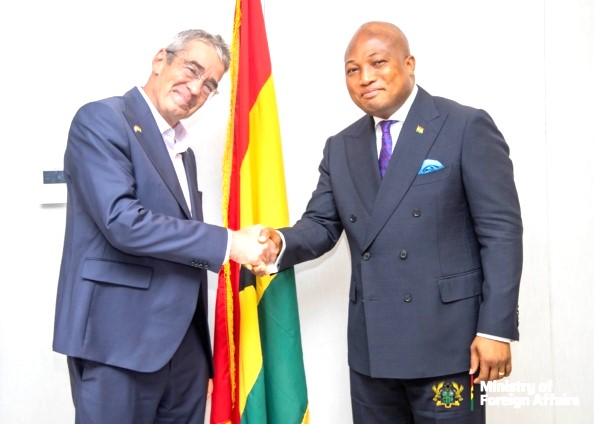
The Ministry of Foreign Affairs summoned the Israeli Embassy’s Charge d’Affaires ad interim for urgent consultations, as the Ambassador was reportedly out of the country at the time.
While both sides have since initiated diplomatic dialogue aimed at de-escalation, the Ghanaian government’s message was unequivocal: the dignity and rights of its citizens abroad are non-negotiable.
In a carefully worded statement, the Foreign Ministry reaffirmed Ghana’s commitment to cordial international relations but warned that it “will not hesitate to act decisively when the rights of its citizens are violated.” The statement added that Ghana expects “reciprocal respect and fairness” from all partner nations, a veiled rebuke aimed squarely at Tel Aviv.
The incident has stirred quiet concern in diplomatic circles, with observers noting that while Ghana and Israel have enjoyed robust cooperation in areas such as agriculture, cybersecurity, and intelligence, the episode could cast a shadow over future engagements if not swiftly resolved.
Sources within the Foreign Ministry suggest that the deported Ghanaians were subjected to what officials described as “disrespectful and disproportionate treatment” upon arrival in Israel a claim that has not been publicly addressed by Israeli authorities.
Though both governments have agreed to pursue an amicable resolution, Accra’s swift retaliatory action is being interpreted as a signal of a more assertive foreign policy posture under the current administration one that places the protection of Ghanaian nationals at the centre of its diplomatic calculus.