

As Africa accelerates efforts to deepen economic integration under the African Continental Free Trade Area (AfCFTA) , a central tension is becoming harder to ignore: open borders without effective security risk undermining the very trade the continent seeks to promote.
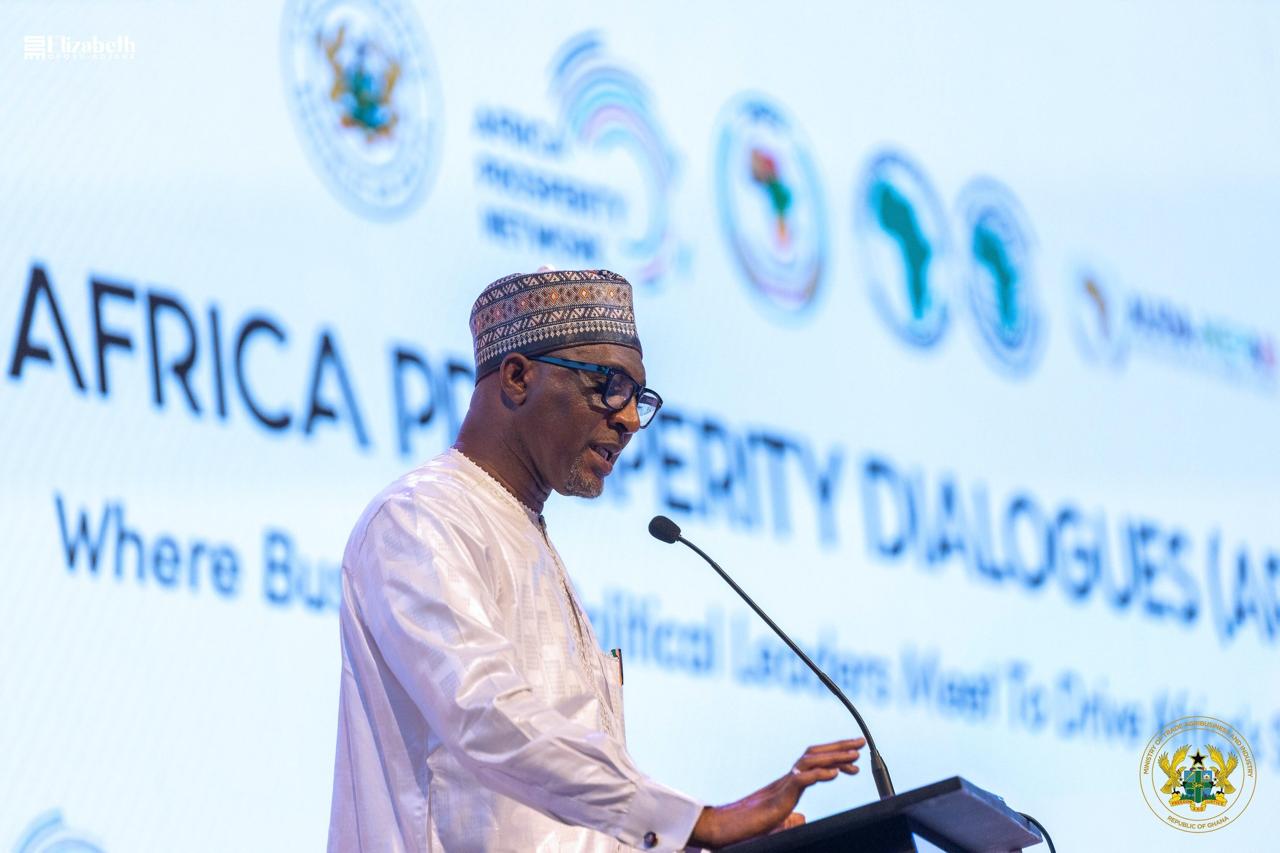
Speaking at the 2026 Africa Prosperity Dialogue, Ghana’s Minister for the Interior, Mohammed Muntaka Mubarak argued that security and border management must be treated as core economic infrastructure if AfCFTA is to deliver on its promise of seamless trade, investment flows and shared prosperity.
In his view, free movement of goods, services and people cannot succeed on goodwill alone. It must be supported by modern, intelligence-led systems capable of distinguishing legitimate trade from illicit activity, while protecting vulnerable traders from abuse and delays.
“Without security, trade cannot flourish, and without orderly mobility, integration cannot succeed,” Mr Muntaka said, framing border management not as a restriction on integration, but as a prerequisite for trust, predictability and efficiency within the single African market.
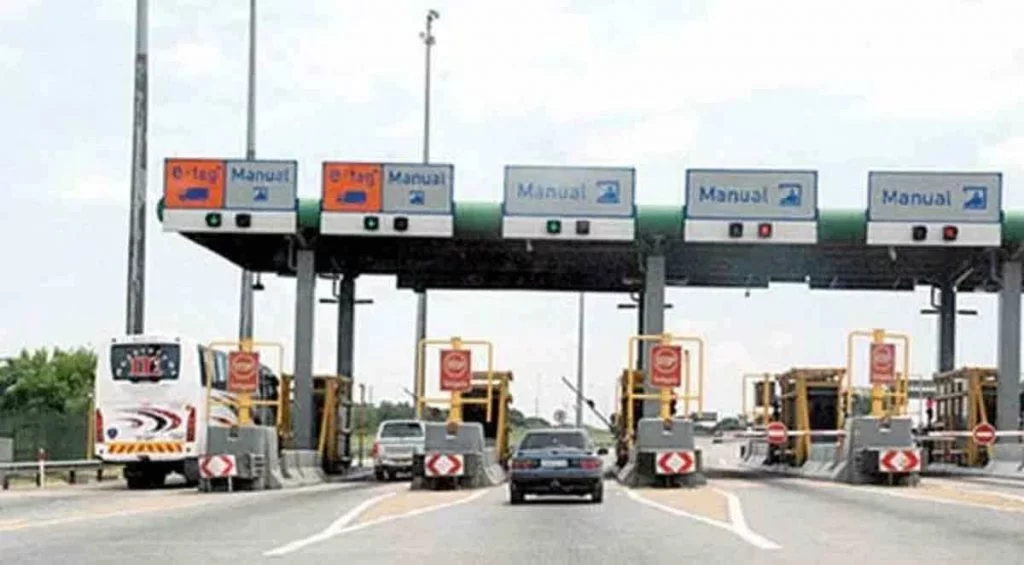
He noted that Ghana is repositioning its border governance architecture to align with AfCFTA realities, placing emphasis on joint border operations, enhanced data sharing, and stronger inter-agency coordination. These reforms, he said, are aimed at reducing delays, harassment and non-tariff barriers that disproportionately affect small and medium-sized enterprises, particularly women and youth engaged in informal and semi-formal cross-border trade.
The challenge is significant. While AfCFTA promises to unlock a market of more than 1.3 billion people, weak border systems across parts of the continent continue to fuel smuggling, revenue leakages and security threats, creating friction for legitimate businesses and discouraging participation by smaller traders.
The economic stakes were underscored by the Africa Prosperity Network’s Chief Executive Officer, Sidig Faroug El Toum, who described SMEs as the backbone of Africa’s economy. He noted that they account for over 90 per cent of businesses on the continent, with women owning approximately 58 per cent of enterprises and youth representing about 65 per cent of start-up founders.
Yet, despite their dominance, SMEs remain the most exposed to inefficient borders, inconsistent enforcement and fragmented regulations. According to Mr El Toum, these constraints limit their ability to scale, integrate into regional value chains and fully benefit from AfCFTA’s tariff and market access provisions.
It is against this backdrop that the Africa Prosperity Dialogue was convened, with organisers deliberately shifting the focus from high-level commitments to implementation. Mr El Toum said the Dialogue was structured to bring policymakers, financiers, regulators and entrepreneurs into the same room to address practical bottlenecks such as access to finance, logistics costs, cross-border payments, skills gaps and value chain integration.
The 2026 Dialogue continues with high-level engagements aimed at translating AfCFTA frameworks into measurable outcomes, particularly in areas that determine whether integration will be inclusive or elite-driven. For many participants, the message emerging from the discussions is clear: Africa’s integration agenda will rise or fall not on declarations, but on whether security, systems and institutions can keep pace with ambition.
In that equation, effective border management is no longer a peripheral concern. It is fast becoming one of the defining tests of AfCFTA’s credibility and Africa’s ability to turn continental trade liberalisation into tangible economic gains for businesses, workers and communities.