

In a resounding validation of Ghana’s digital finance strategy, the Bank of Ghana (BoG) has announced that the nation has once again secured the top global position in the 2025 GSMA Mobile Money Regulatory Index (MMRI).
Released on Friday, February 20, 2026, the index confirms that Ghana has not only defended its title but has actually improved its standing, scoring a record-breaking 96.10%. This marks a significant jump from the 95.06% recorded in the previous year, solidifying Ghana’s reputation as the gold standard for digital financial governance.
The ranking, which evaluates 90 countries worldwide, placed Ghana ahead of major emerging markets and established digital economies. For the BoG, this achievement is a testament to years of deliberate policy engineering designed to bridge the gap between the banked and the unbanked.
“Ghana has maintained its position as the world’s leading country in mobile money regulation. This milestone underscores Ghana’s leadership in creating a world-class regulatory environment that enables mobile money services to thrive, drive financial inclusion and foster innovation in the digital financial ecosystem.”
According to the GSMA, the MMRI serves as the definitive yardstick for measuring how effectively a country’s regulatory framework enables mobile money services to scale while maintaining high standards of consumer protection and operational safety.
Ghana’s dominance in the 2025 Index is underpinned by “perfect scores,” in several critical regulatory pillars, achieving a maximum 100% in transparency and disclosure, authorization processes, and consumer protection. These scores reflect a regulatory environment where market entry requirements are clear, legal processes are predictable, and customer funds are strictly safeguarded.
The Bank of Ghana noted that the achievement is rooted in a commitment to “progressive policies,” that do not stifle innovation but rather channel it into productive economic activity.
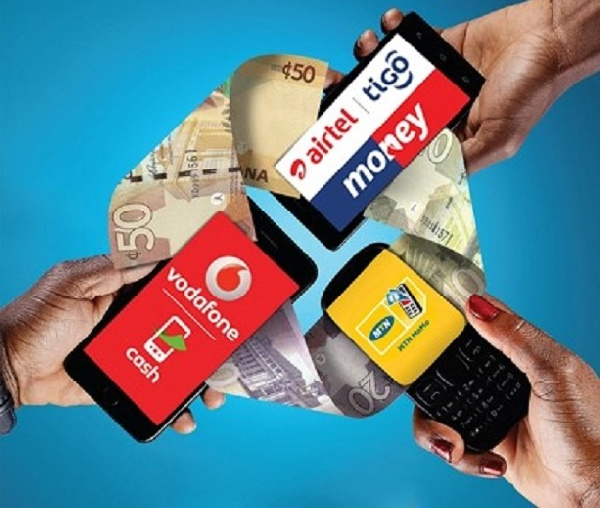
By ensuring that non-bank entities – including Mobile Network Operators (MNOs) – can operate within a robust and fair legal structure, Ghana has created a competitive ecosystem that drives down costs for the average user.
Driving Financial Inclusion
The impact of this regulatory excellence is visible in the rapid deepening of financial inclusion across the country. According to recent data, Ghana’s 96% rate of financial service access inclusion, significantly surpasses the national target of 85%.
According to the BoG, this revolution is powered by a mobile money transaction volume that hit an unprecedented GHS 3.019 trillion in 2024, with 2025 figures showing even more aggressive growth.
For the millions of Ghanaians who rely on digital wallets for everything from utility payments to micro-insurance, the BoG’s regulatory oversight ensures that their digital assets are as secure as cash in a vault.
This trust has allowed the mobile money sector to evolve from simple peer-to-peer transfers into a sophisticated financial engine that supports real-time lending and credit assessment powered by AI.
“This ranking reflects the country’s commitment to progressive policies and robust oversight in the mobile money ecosystem, ensuring consumer protection, and operational integrity, and positions the country as a global benchmark,” the BoG stated.
Despite the global accolades, the Bank of Ghana remains acutely aware of the evolving threats in the digital space. While the regulatory framework is world-class, the rise of cybercrime and mobile money fraud remains a critical priority. The Cyber Security Authority (CSA) has noted that as the ecosystem expands, so does the sophistication of online threats.
In response, the BoG has signaled that it will not rest on its laurels. Under the leadership of Governor Dr. Johnson Pandit Asiama, the Bank is intensifying its collaboration with the Cyber Security Authority and the Financial Intelligence Centre to ensure that Ghana’s “operational integrity,” score (which currently stands at 85) eventually matches its perfect scores in authorization and transparency.
“The Bank will continue to collaborate with relevant stakeholders in the implementation of policies aimed at sustaining Ghana’s progress toward a fully inclusive and digitally empowered economy.
As other African nations and emerging economies look to modernize their payment systems, Ghana has effectively become the “blueprint” for digital financial transformation.
The 2025 GSMA ranking confirms that an enabling regulatory environment – one that measuringly balances the interests of regulators, providers, and consumers – is the most potent tool for eradicating financial exclusion.