

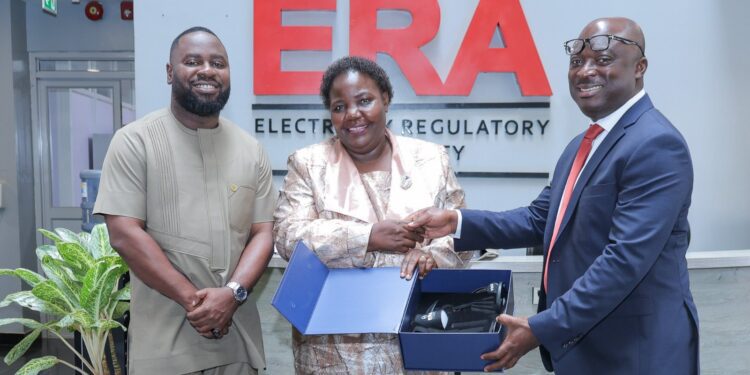
The Energy Commission of Ghana and the Electricity Regulatory Authority (ERA) of Uganda have initiated a landmark strategic partnership aimed at revolutionizing the African energy landscape through harmonized regulatory standards.
This high-level bilateral engagement, seeks to establish a robust framework for shared governance, technical cooperation, and the enforcement of energy policies across the two nations.
By aligning their regulatory visions, both institutions are setting the pace for a continent-wide energy transition that prioritizes stability and sustainable growth.
“The Energy Commission of Ghana and Uganda’s Electricity Regulatory Authority (ERA) held high-level talks to deepen cooperation in energy regulation and enforcement.”
Building on this foundational meeting, the two entities explored critical areas of cooperation, including the enhancement of performance standards and the modernization of grid infrastructure to meet growing demand.
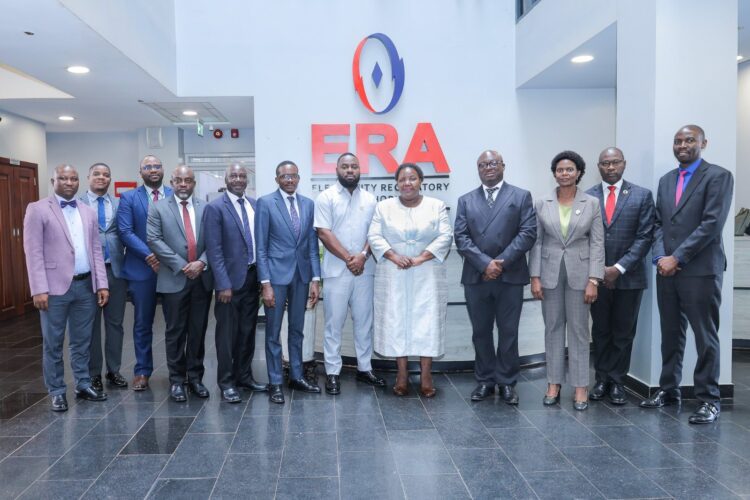
The Ghanaian delegation, led by Deputy Executive Secretary Chris Nana Banyin Yalley and the Acting Director of Inspection and Enforcement, Ing. Ampadu Acheampong, engaged in extensive technical deliberations with Uganda’s ERA team.
Spearheaded by CEO Eng. Ziria Tibalwa Waako, the talks detailed how a unified approach to regulation can de-risk energy investments and streamline service delivery for millions of citizens.
Strengthening Regional Grid Stability and Standard
The collaboration between Accra and Kampala addresses a fundamental bottleneck in the African energy sector: the lack of uniform technical standards that often hinders cross-border power trade.
By synchronizing performance benchmarks, Ghana and Uganda are effectively creating a “regulatory bridge” that simplifies how power utilities operate and interact within the regional energy markets.
According to Eng. Ziria Tibalwa Waako, the initiative is pivotal for “aligning regulatory standards to reduce trade barriers and improve system stability,” which is essential for attracting the large-scale capital required for the green transition.
Chris Nana Banyin Yalley noted that the exchange of expertise is vital for “delivering more efficient energy services” that can withstand the pressures of rapid industrialization.
This technical synergy ensures that as both nations expand their generation capacity with Uganda eyeing a massive increase to over 50,000 MW by 2040 the regulatory environment remains capable of overseeing complex, modern infrastructure.
Driving the Green Transition Through Policy Alignment
Beyond technical specifications, this partnership serves as a catalyst for Africa’s broader green transition and energy security.
By focusing on “shared regulatory frameworks,” the Energy Commission and the ERA are positioning themselves to better manage the integration of renewable energy sources into their respective national grids.
A unified regulatory voice allows African nations to negotiate more effectively on the global stage, ensuring that international energy partnerships align with local developmental goals and climate commitments.
The move also strengthens the enforcement of energy labels and standards, a move described by Ing. Ampadu Acheampong as a “necessary measure to protect the integrity of the power market.“
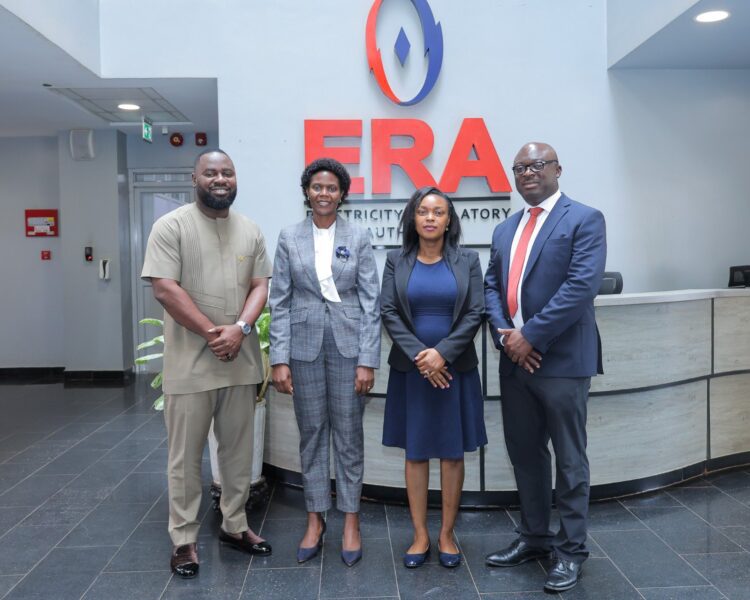
As both countries move toward a formal Memorandum of Understanding, the emphasis remains on transparency and “laying the groundwork for a partnership” that transcends political boundaries.
This proactive alignment is expected to serve as a blueprint for the African Continental Free Trade Area (AfCFTA) in the energy sector, proving that regulatory convergence is the primary engine for sustainable energy development.
Institutional Synergy for a Self-Reliant Africa
The success of this collaboration lies in the deep institutional synergy between the Energy Commission of Ghana and Uganda’s ERA.
Both regulators have been recognized for their excellence with Ghana’s framework previously ranked among the best on the continent by the African Development Bank making this a partnership of equals.
By pooling resources and “deepening cooperation in energy regulation,” these institutions are not merely sharing files; they are co-creating a new African energy narrative centered on self-reliance and technical sovereignty.
This bilateral effort is a clear signal to investors that West and East Africa are closing the “regulatory gap.”
As the delegation from Ghana concluded their mission, the consensus was clear: the path to a powered Africa is paved with “harmonized enforcement and performance standards.”
This strategic alliance ensures that the energy industry is not just growing in size, but also in the quality and reliability of the services it provides to the African people, effectively securing a greener and more prosperous future for the continent.