

By Nelson Ayivor
Ghana’s economy may be regaining its footing after a turbulent period, but fresh warnings from PricewaterhouseCoopers (PwC) indicate that the country’s resilience could face a stern test in this year 2026.
In its 2026 West Africa Economic Outlook, PwC cautioned that while macroeconomic stability improved significantly in 2025, Ghana remains vulnerable to global financial tightening, commodity price swings and climate-related shocks.
According to the report, “inflation, foreign exchange and fiscal balances improved markedly in 2025, but Ghana remains exposed to commodity price volatility, climate shocks, and global financial tightening.” This assessment highlights the delicate balance policymakers must maintain as the country seeks to consolidate recent gains.
Recovery Anchored on Commodities
PwC noted that Ghana’s recovery has been largely supported by strong gold prices and improved export receipts. Gold, cocoa and crude oil exports, alongside remittances from the diaspora, have provided vital foreign exchange inflows. These flows strengthened reserves and enabled targeted interventions by the Bank of Ghana to stabilise the currency market.
However, the firm warned that the heavy dependence on gold presents its own risks. It stated that “reserves and FX stability should remain supportive in 2026, though dependence on gold prices heightens terms-of-trade risks.”
This means that any downturn in global gold prices could quickly erode the stability that Ghana has worked hard to rebuild.
The report further explained that “stability should persist in 2026, but buffers will be tested by external shocks, requiring continued policy discipline and contingency planning.” In essence, while the outlook appears stable on the surface, Ghana’s economic cushions could be strained if global conditions deteriorate.
External Resilience and Lingering Vulnerabilities
PwC underscored the importance of commodities and remittances in anchoring Ghana’s external sector.
“External resilience anchored on commodities and remittances: gold, cocoa, and oil exports alongside diaspora inflows support FX stability but expose the economy to terms-of-trade risks.”
This view aligns with concerns raised by the International Monetary Fund, which has also flagged Ghana’s susceptibility to external shocks. Although stability has returned to some degree, the sustainability of these gains depends heavily on global market trends and prudent domestic management.
Cedi Outlook and Policy Caution
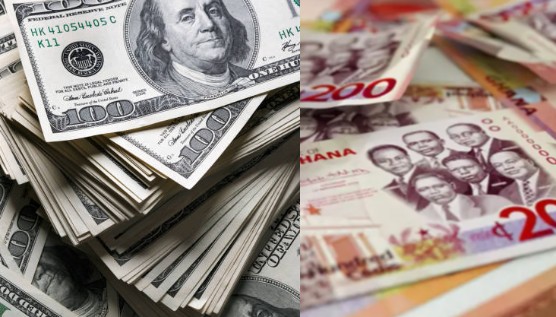
One of the most remarkable developments in 2025 was the performance of the Ghana cedi, which appreciated by more than 40 percent against the US dollar. PwC attributed this to stronger foreign exchange inflows from gold, cocoa and crude exports, as well as improved reserve buffers that allowed for effective interventions by the Bank of Ghana.
Despite this strong performance, the firm expects renewed pressure in 2026. “The cedi is expected to face renewed depreciation pressures in 2026, reflecting structural export constraints and competitiveness considerations, although policy buffers and FX inflows should help limit excessive volatility,” the report said.
PwC also noted that the exchange rate is expected to remain broadly stable in 2026, supported by export receipts, remittances and improved reserves, but still vulnerable to external shocks. This suggests that while sharp currency swings may be avoided, policymakers must remain vigilant.
On interest rates, PwC indicated that easing may occur gradually as inflation continues to decline. However, it emphasised that caution will prevail in order to safeguard credibility and financial stability. “Scope exists for cautious easing in 2026, supporting credit and growth, but policy will remain constrained by FX stability and credibility concerns,” it stated.
Inflation Expected Within Target
Encouragingly, PwC projects that inflation will remain within the single digit range in 2026. It expects inflation to settle near the Bank of Ghana’s target of 8 percent plus or minus 2 percentage points, supported by anchored expectations, contained imported inflation and sustained foreign exchange stability.
Nevertheless, risks remain. Global commodity price movements and possible election related pressures could introduce volatility. Maintaining disciplined fiscal and monetary policies will therefore be crucial to keeping inflation within target and sustaining investor confidence.
Debt Dynamics and Fiscal Discipline
The outlook for Ghana’s public debt could improve if restructuring efforts and fiscal discipline continue. PwC noted that ongoing reforms may help rebuild investor confidence, reduce refinancing pressures and lower interest costs.
In addition, reforms in the domestic gold sector could help bolster the cedi and limit the expansion of foreign currency denominated public debt. Such measures would enhance resilience against external shocks and reduce exposure to global tightening conditions.
Growth Led by Non-Oil Sectors
Meanwhile, PwC projects real GDP growth of 4.8 percent in 2026. The recovery is expected to be driven primarily by non oil sectors, particularly services, agriculture and export activities.
The report stated, “Gradual growth recovery led by non-oil sectors: services, agriculture, and export activities drive recovery, while weak domestic demand and constrained public investment cap upside.” This indicates that while growth prospects are positive, they may not reach their full potential due to lingering structural constraints.
As global financial conditions tighten and uncertainties persist, Ghana’s economic buffers will face a real test. The country’s recent progress in stabilising inflation, strengthening reserves and restoring confidence is commendable. Yet sustaining these gains will require continued discipline, diversification of export earnings and proactive contingency planning.
PwC’s assessment serves as a timely reminder that stability is not immunity. In a volatile global environment, resilience must be constantly reinforced to ensure that Ghana’s recovery remains durable and inclusive.