

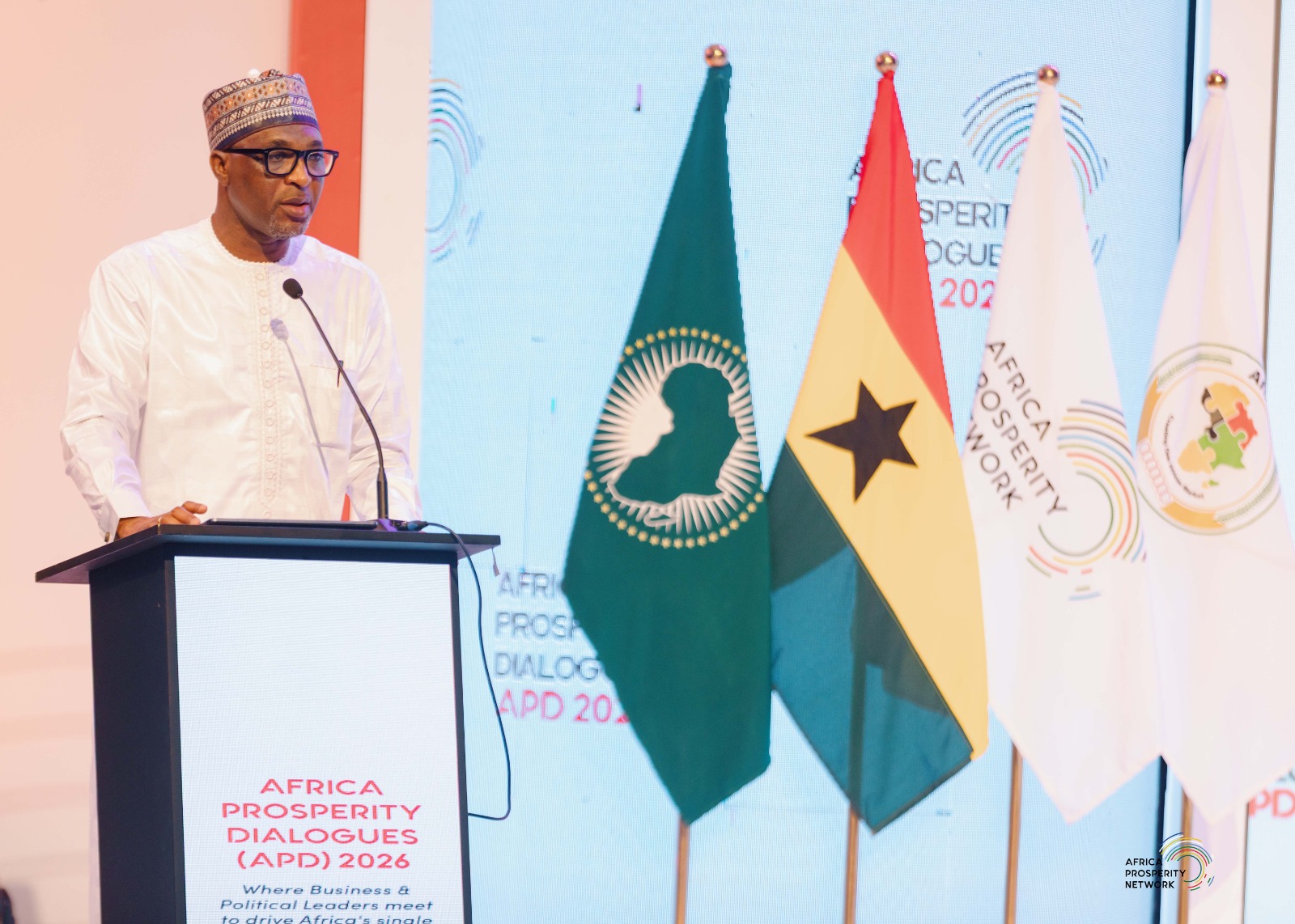
The African continent has been urged to implement measures to address and overcome significant border frictions to effectively tackle security, migration, governance, and border management challenges.These challenges have hindered direct business among member states.
There has been a persistent misconception that security and free movement are competing goals; however, security is essential for trade to flourish, and orderly mobility is necessary for integration to succeed.
Speaking at the 5th edition of the Africa Prosperity Dialogue, Ghana’s Interior Minister, Muntaka Mohammed Mubarak emphasized that the free flow of traders and goods should not compromise national and regional security. Instead, African leaders must adopt smart, coordinated, and technology-enabled approaches to facilitate trade while enhancing safety and trust across the continent.
SMEs the Backbone of Cross-border Trade
Small and medium enterprises, particularly those led by women and young people, form the backbone of cross-border trade. However, these enterprises often face delays, harassment, unclear procedures, and fragmented enforcement at borders. Such frictions raise concerns, weaken competitiveness, and undermine the objective of the AfCFTA. Muntaka called on leaders to make addressing security and cross-border trade issues an integral part of their governance.
President Mahama Sets the Pace
President Mahama has set the pace with the intermediation of Sahel countries in the continent. Most of Africa’s borders are vast and porous, with Ghana having 48 legitimate crossing points and over 250 unapproved crossing points. Hon. Muntaka advocated for targeted interventions using data analytics, joint patrols, and shared intelligence to facilitate legitimate trade while intercepting risks.
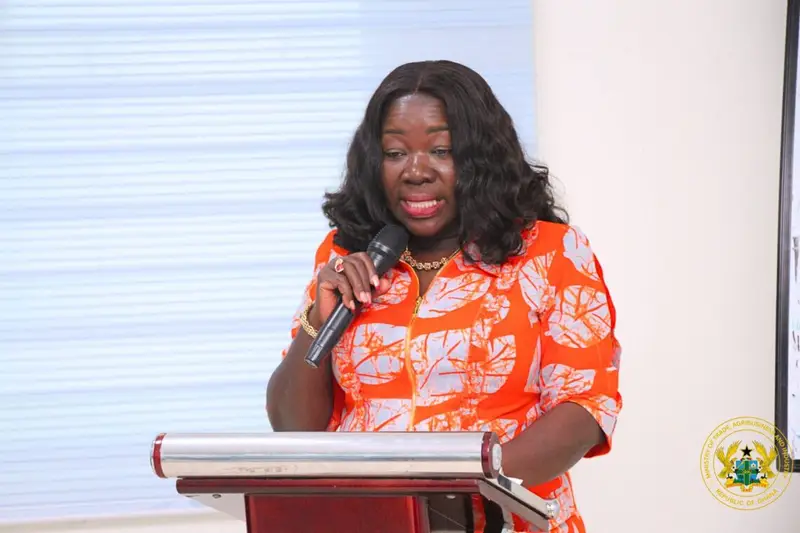
Ghana’s Trade Minister, Elizabeth Ofosu Adjare, has established a committee involving all relevant actors to minimize frustration at Ghana’s borders. Muntaka urged neighboring countries to join the fight against intimidation of African nationals on borders, emphasizing the need for African governments to address non-tariff barriers and enforcement gaps that hinder SMEs at borders. Informal traders, mostly women and youth, face harassment, excessive documentation, bribes, and arbitrary confiscation.
These acts remain barriers to economic inclusion in Africa. Muntaka stressed that Africa must advance towards a continental-wide customs union under the AfCFTA by harmonizing standards, aligning border procedures, and fostering mutual trust among nations.
The ECOWAS protocol on free movement of persons is one of Africa’s most ambitious integration instruments, with achievements including visa-free entry, increased labor mobility, and expanded informal and formal trade. However, its limitations include uneven implementation, weak data sharing, abuse of travel privileges, and security concerns.
Lessons for the Continent
The Ghanaian Interior Minister noted that the lessons for continental integration are clear: free movement must be matched with strong institutions, shared and trusted identity systems, and a gradual, coordinated, and data-driven transition.
According to him, this transition should begin with harmonized border procedures, mutual recognition of documents, interoperable migration and customs systems, and strengthened cooperation among security and trade ministries. Integration cannot be built on policy declarations alone; it must be built on operational readiness. The call for a visa-free Africa is growing, and mobility is central to innovation, entrepreneurship, and cultural exchange, Muntaka asserted.