

The Ghana Journalists Association (GJA) has urged media practitioners to exercise greater caution when reporting on disasters, stressing the need for accuracy, responsibility, and sensitivity in times of crisis.
According to the association, inaccurate or sensational reporting during emergencies can escalate fear, erode public trust, and disrupt coordinated response efforts by authorities and humanitarian organisations.
The call was made during a one-day sensitisation workshop organised in Accra by the Ghana Red Cross Society, aimed at strengthening ethical reporting practices among journalists.
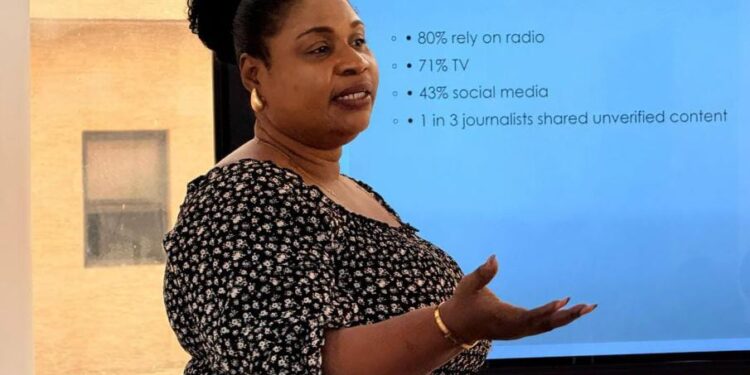
Speaking at the workshop, Vice President of the GJA, Rebecca Ekpe, underscored the critical role journalists play in shaping public perception during disasters.
She emphasised that the information shared by the media can either calm situations or worsen them, depending on how it is handled.
“During a disaster, information is like first aid, and as journalists, we need to remember that whatever we give out to the public should be accurate first aid information, not information that will hurt them, but information that will mitigate pain.”
Ekpe further stressed that reporting in times of crisis must be guided by empathy, noting that behind every disaster are real people, families, and lives at risk. “People are hurting, families are involved, and lives need to be saved,” she added.
The GJA Vice President also cautioned journalists against the spread of misinformation, disinformation, and hate speech, particularly during emergencies where the demand for information is high.
She noted that unverified or misleading reports can create confusion, mislead the public, and ultimately undermine rescue and relief efforts.
Ekpe reminded journalists of their ethical responsibility to verify information from credible sources before publication, especially in fast-moving situations where accuracy can be compromised in the rush to break news.
She also highlighted the need to protect the dignity of victims and affected communities, urging journalists to avoid intrusive or insensitive coverage.
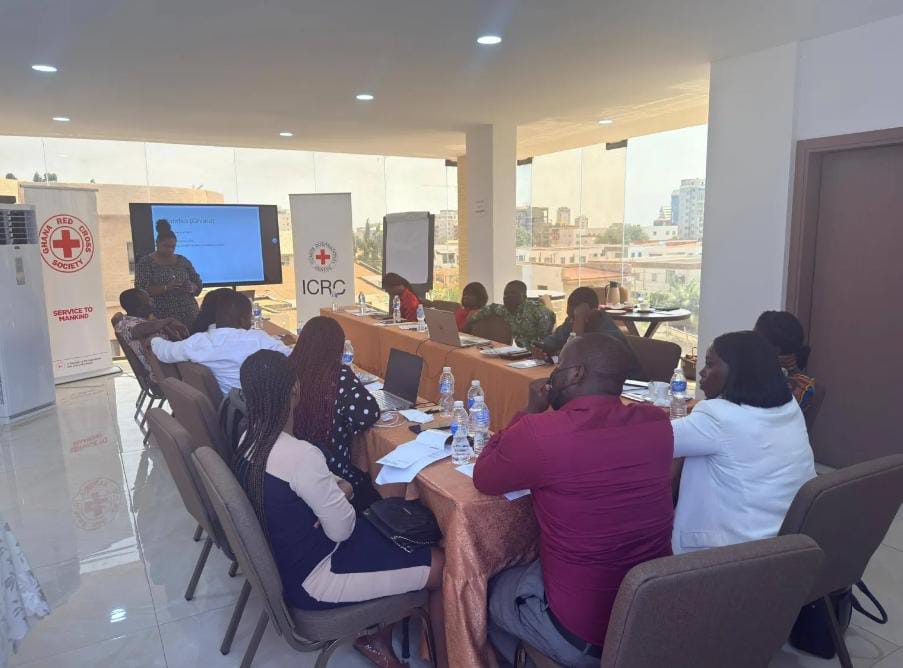
The workshop, organised by the Ghana Red Cross Society, forms part of broader efforts to improve collaboration between the media and humanitarian organisations.
The Red Cross, known for its frontline role in disaster response and relief operations, continues to engage the media to ensure that information shared during emergencies is accurate, timely, and helpful to affected communities.
Jeremiah Afako, Head of Programmes and Disaster Manager at the Ghana Red Cross Society, explained that the initiative was also aimed at addressing misconceptions about the organisation’s work. He noted that media engagement is essential in highlighting the Red Cross’s humanitarian efforts across the country.
“Going forward, we want to see how we can leverage the media to let the world know what the Ghana Red Cross Society is doing in the country, so that we are not misrepresented.”
Afako further advised journalists to be mindful of the language used in disaster reporting, particularly the frequent use of terms such as “breaking news.”
According to him, such language can heighten anxiety and agitation among the public during already tense situations. He encouraged media practitioners to prioritise clarity and calmness in their reporting, rather than urgency that may contribute to panic.
As part of the workshop, participating journalists were taken through practical sessions on cardiopulmonary resuscitation (CPR) and other basic first aid techniques. The training aimed to equip journalists not only with reporting skills but also with the ability to respond effectively in emergency situations.
Organisers believe that building such capacity among media professionals will enhance their role in disaster response, both as communicators and as first responders in critical situations.
The GJA’s message highlights the growing importance of responsible journalism in an era where information spreads rapidly, especially during crises.
With disasters becoming more frequent and complex, the association maintains that journalists must uphold the highest standards of accuracy, empathy, and professionalism.
Ultimately, the GJA believes that responsible reporting can play a vital role in saving lives, supporting relief efforts, and maintaining public trust during emergencies.