

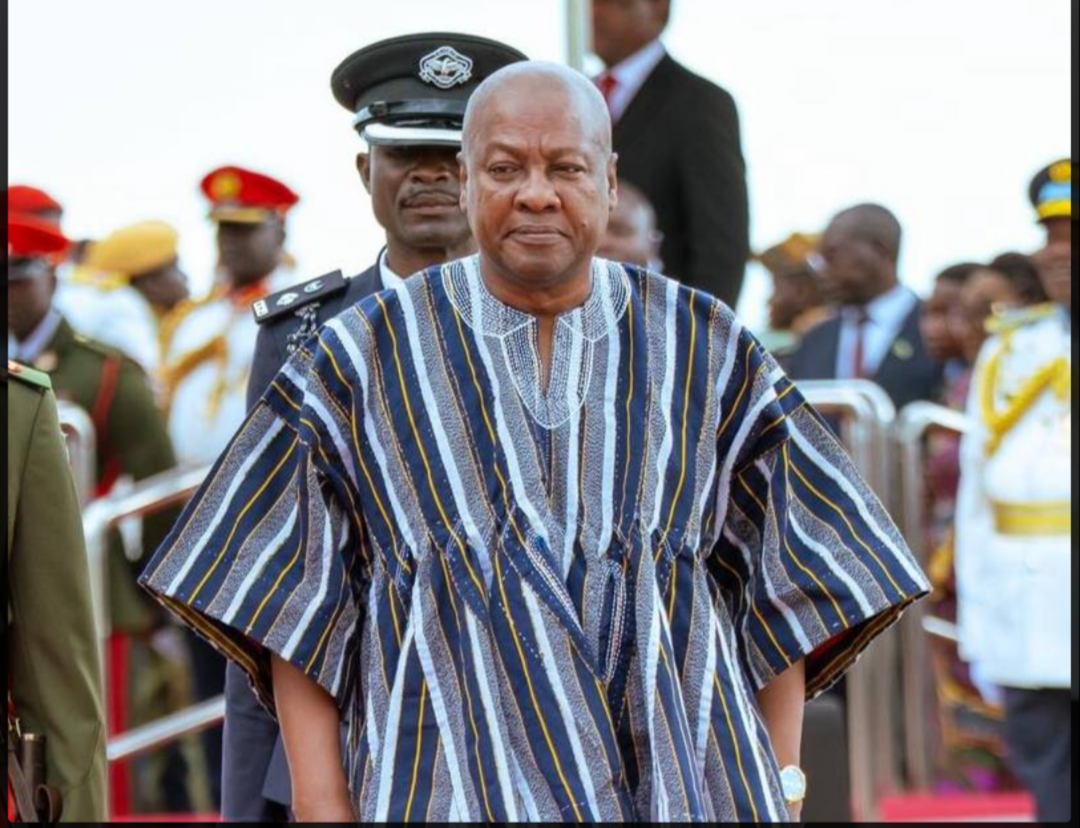
The Government of Ghana has officially declared every Wednesday as a day to wear a traditional smock, also known as batakari or fugu, in a nationwide initiative aimed at celebrating and promoting Ghana’s cultural heritage.
The announcement, made by the Ministry of Tourism, Culture, and Creative Arts, emphasized the importance of deepening national cultural awareness, affirming Ghanaian identity, and projecting the country’s heritage with pride both locally and internationally.
The directive encouraged all Ghanaians, as well as friends of Ghana at home and abroad, to don Fugu in all its diverse forms, designs, and expressions on the stated day to celebrate Ghana’s heritage.
The initiative also highlights the garment’s distinctive accessories, aiming to strengthen national unity, boost the creative economy, and provide economic opportunities for local weavers, designers, artisans, and traders across the country.
“This collective embrace of Fugu will serve as a powerful symbol of Ghana’s cultural confidence and self-expression,” the Ministry noted in its statement, stressing the initiative’s potential social and economic benefits.
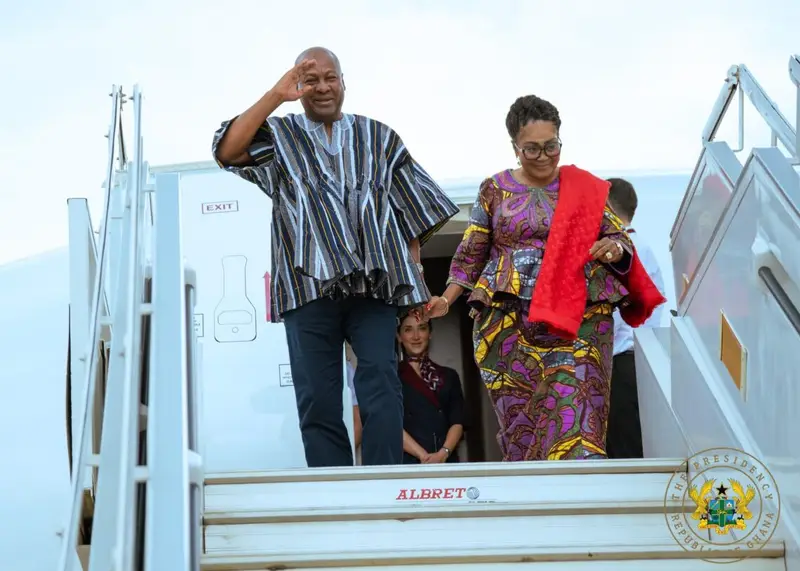
The declaration follows a three-day state visit by President John Dramani Mahama to Zambia in early February 2026, during which he wore the traditional northern Ghanaian smock.
The President’s attire sparked a significant social media buzz, particularly among Zambian users who, unfamiliar with the garment, playfully referred to it as a “blouse” or “maternity wear.”
The lighthearted commentary quickly evolved into a cultural conversation, dubbed the “Fugu War,” highlighting cross-border engagement and curiosity over Ghanaian traditional fashion.
Zambian President Hakainde Hichilema intervened in the playful debate, using humor to diffuse any potential tension. He praised the cultural significance of the Fugu and publicly announced that he intended to order more smocks for himself, giving the attire diplomatic endorsement and further elevating its profile.
President Mahama welcomed the unexpected attention, noting that the social media buzz effectively provided “free branding and marketing” for the traditional garment.
He also suggested that the Fugu could develop into a key export item in bilateral trade between Ghana and Zambia, reinforcing its economic potential beyond cultural symbolism.
Back home, the buzz ignited a wave of cultural pride. Many Members of Parliament attended sessions dressed in Fugu to show solidarity with the President and the broader campaign for cultural affirmation.
The National Health Insurance Authority (NHIA) even observed a “Fugu Monday,” inspired by the Zambia trip, demonstrating how the event resonated across both government institutions and public life. The Ghanaian public largely embraced the campaign, with social media posts, local events, and fashion displays promoting the traditional attire.
Stimulating Economic Activity and Job Creation
Minister of Tourism, Culture and Creative Arts, Abla Dzifa Gomashie, emphasized the government’s dual objectives for the initiative. Beyond celebrating Ghanaian heritage, the program is designed to stimulate economic activity and job creation by supporting artisans and traders in the Fugu value chain.

“The wearing of Fugu every Wednesday will empower local weavers, designers, artisans, and traders, while creating expanded business, employment, and commercial opportunities nationwide.”
The initiative also underscores the government’s strategic approach to cultural diplomacy. By leveraging a viral social media moment sparked during a state visit, the administration has turned public interest into a broader platform for national branding and economic growth.
The campaign could increase international recognition of Ghanaian textiles, expand tourism interest, and foster cross-border trade in traditional garments and related cultural products.
The Fugu initiative comes at a time when governments across Africa are increasingly seeking ways to capitalize on traditional culture as both a source of pride and economic development.
Ghana’s declaration of Wednesday as Fugu Day represents a creative response to global attention, transforming what began as social media curiosity into a structured national program.
The government hopes that the consistent weekly observance will not only strengthen identity and unity but also boost the local textile industry, create jobs, and enhance Ghana’s cultural footprint abroad.
As the country prepares for the nationwide observance, citizens and organizations are encouraged to participate actively, wearing Fugu in public spaces, workplaces, schools, and official functions.
The Ministry of Tourism, Culture and Creative Arts has pledged to provide guidance and support to ensure the initiative is inclusive and beneficial to local communities.
By embedding Fugu into weekly national life, Ghana positions itself as a country proud of its heritage while harnessing cultural assets for social and economic progress.