

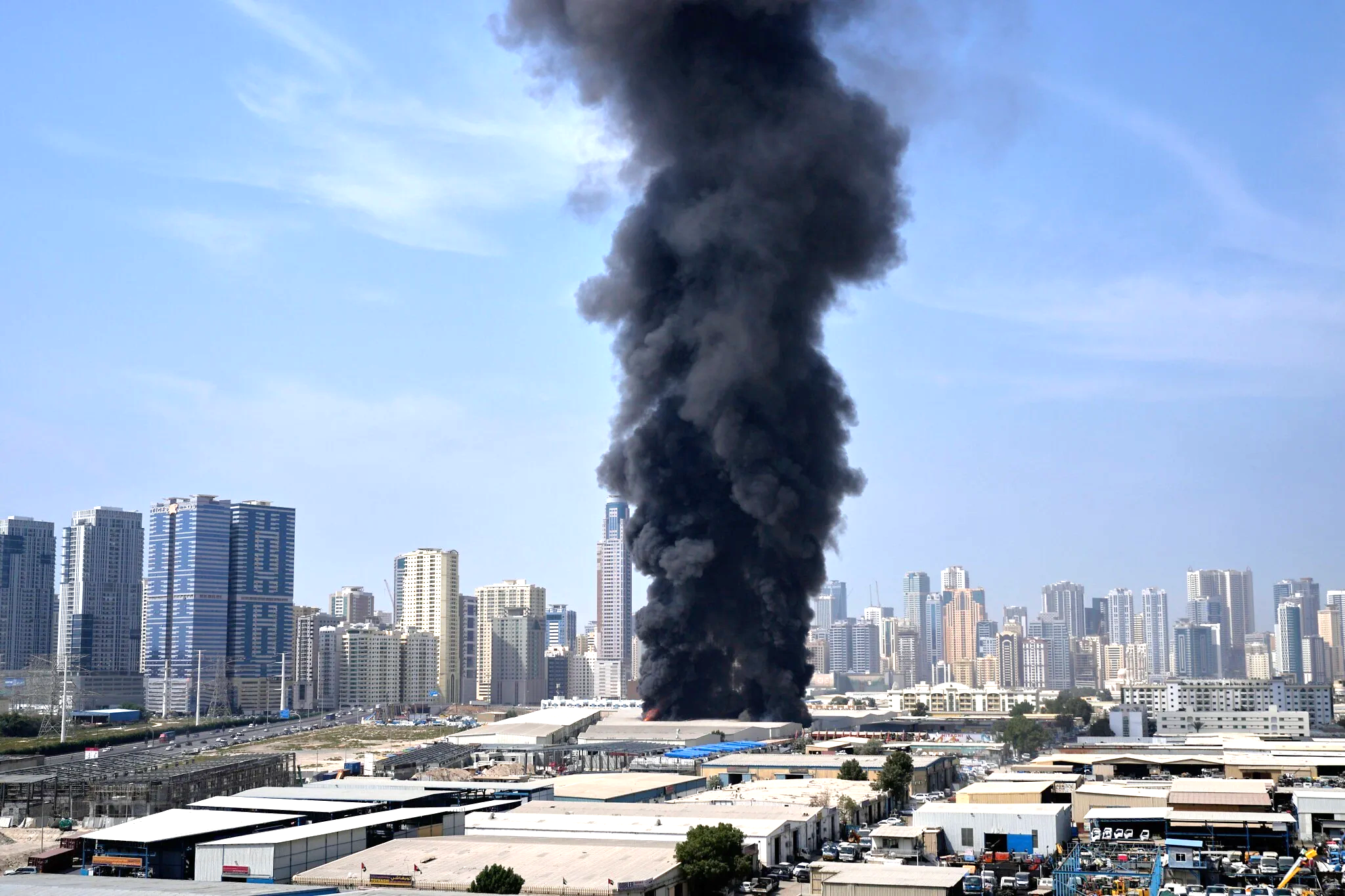
The interplay of geopolitics and global energy security has been thrown into sharp relief this week as a significant escalation in the Gulf region sent Brent crude soaring past $82 a barrel and triggered a nearly 50% spike in natural gas prices. The flashpoints are Qatar and Saudi Arabia, with the Strait of Hormuz once again the theatre for a high-stakes military encounter that threatens the lifeline of the global economy.
The immediate trigger for the market jitters was a coordinated escalation by Iran. In a significant departure from previous tit-for-tat exchanges, Tehran launched strikes on Qatari energy infrastructure.
QatarEnergy, the world’s leading LNG exporter, was forced to halt production after its facilities at Ras Laffan Industrial City were hit by a drone. Sources in Doha confirm the attack, which the Qatari Ministry of Defence attributes to an Iranian-launched UAV.
A separate strike targeted a power plant’s water tank in Mesaieed, further compounding concerns about the vulnerability of the emirate’s critical infrastructure.
This direct assault on Qatari sovereignty, a close US ally and home to a major American military base, marks a dangerous new phase in the conflict. It came as Iran’s Islamic Revolutionary Guards Corps (IRGC) claimed responsibility for missile attacks on three tankers with links to the UK and US in the nearby Strait of Hormuz.
While London and Washington have yet to officially confirm the hits, the UK Maritime Trade Operations Centre has confirmed two vessels were struck and a third was narrowly missed by a projectile. The result has been a dramatic slowdown in shipping traffic through the chokepoint, through which about a fifth of the world’s oil passes.
Riyadh has also been drawn into the fray. State-owned oil giant Aramco was compelled to shutter its colossal Ras Tanura refinery a facility with capacity exceeding 550,000 barrels per day following a drone strike.
The attack underscores the vulnerability of Saudi Arabia’s petroleum infrastructure, which has been a persistent target for Iran-aligned Houthi forces in Yemen, though the provenance of this particular strike points directly to state-level actors.
The convergence of these events the suspension of Qatari LNG, the closure of a major Saudi refinery, and the militarisation of the Strait of Hormuz represents a perfect storm for energy markets.
With global supplies already tight, analysts warn that a protracted confrontation could see prices shatter previous ceilings, with severe implications for import-dependent economies across Africa and the developing world. For now, the market holds its breath, watching to see if Washington will respond militarily, potentially igniting a wider conflagration that no amount of strategic reserves can tame.