

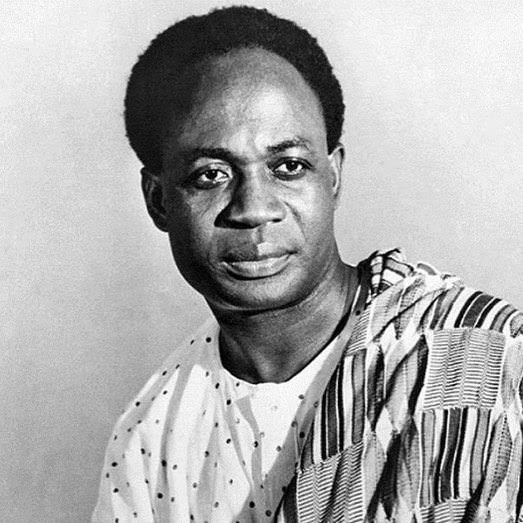
My beloved people of Ghana, sons and daughters of the Black Star, I speak not from nostalgia but from unfinished duty. History has called my name again because the questions we faced at independence still stand before you today. Who owns Ghana. Who directs her wealth. Who defines her future. Until these are answered honestly, independence remains incomplete.
On this anniversary of the interruption of our constitutional order in 1966, I ask you not to dwell in bitterness but in understanding. Nations grow through memory. Forgetfulness is the enemy of progress. What happened did not only remove a government. It shook the confidence of a young nation that had begun to believe boldly in itself. When confidence is shaken, dependency quietly returns.
I was accused of dreaming too big, of moving too fast toward industrial transformation, continental unity, and intellectual self determination. Yet the world never advanced through timidity. Every nation that commands respect first imagined itself greater than its limitations.
Look around you now. The resources remain. The intelligence of your youth remains. The creativity of your farmers, traders, engineers, writers, and workers remains. What weakens a nation is rarely lack of capacity but lack of coordinated purpose. A people divided by suspicion cannot build enduring prosperity.
Reject the false choice between freedom and development. They are not enemies. True freedom empowers development. True development secures freedom. When corruption flourishes, when public trust declines, when institutions serve factions rather than citizens, both freedom and development suffer together.
Economic independence was always central to my philosophy. Political flags mean little without economic control. If raw materials leave your shores cheaply and return as expensive finished goods, dependency persists. Industrialization was never vanity. It was survival, and it remains survival.
Africa still watches Ghana. This nation once carried the torch of continental self belief. That responsibility has not vanished. The world respects Africa when Africa respects itself. Unity was never a slogan. It was strategic protection against exploitation. Fragmentation weakens bargaining power in trade, diplomacy, and technology.
I acknowledge what my critics said. Leadership must listen. Power must remain accountable. No system is perfect. But instability is not reform. Destruction is not correction. When nations repeatedly reset through disruption, long term planning becomes impossible. Stability anchored in justice is where progress grows.
Young Ghanaians, you are not prisoners of history. You are authors of what comes next. Study deeply. Question courageously. Build ethically. Refuse the comfort of cynicism. Patriotism is not blind praise. It is constructive commitment. Love of country must express itself in competence, integrity, and service.
To those in public office today, remember authority is temporary but legacy is permanent. The measure of leadership is not personal comfort but national transformation. Ask daily whether decisions expand opportunity for ordinary citizens or merely preserve elite advantage.
And to every citizen, never underestimate your collective strength. A politically conscious population is the greatest safeguard of democracy. Demand transparency. Participate peacefully. Protect national assets. Encourage excellence. A nation rises when its people insist on rising.
I remain, in spirit, an optimist about Ghana. I have seen her resilience, intellect, and moral courage. These qualities have not disappeared. They await renewed direction and disciplined unity.
The Black Star still shines. Whether it grows brighter or dimmer rests not in foreign capitals, nor in history, but in the daily choices of Ghanaians themselves.
Forward ever, backward never.
— In the Spirit of Nkrumah
A February 24 Reflection by Kay Codjoe