By Nelson Ayivor
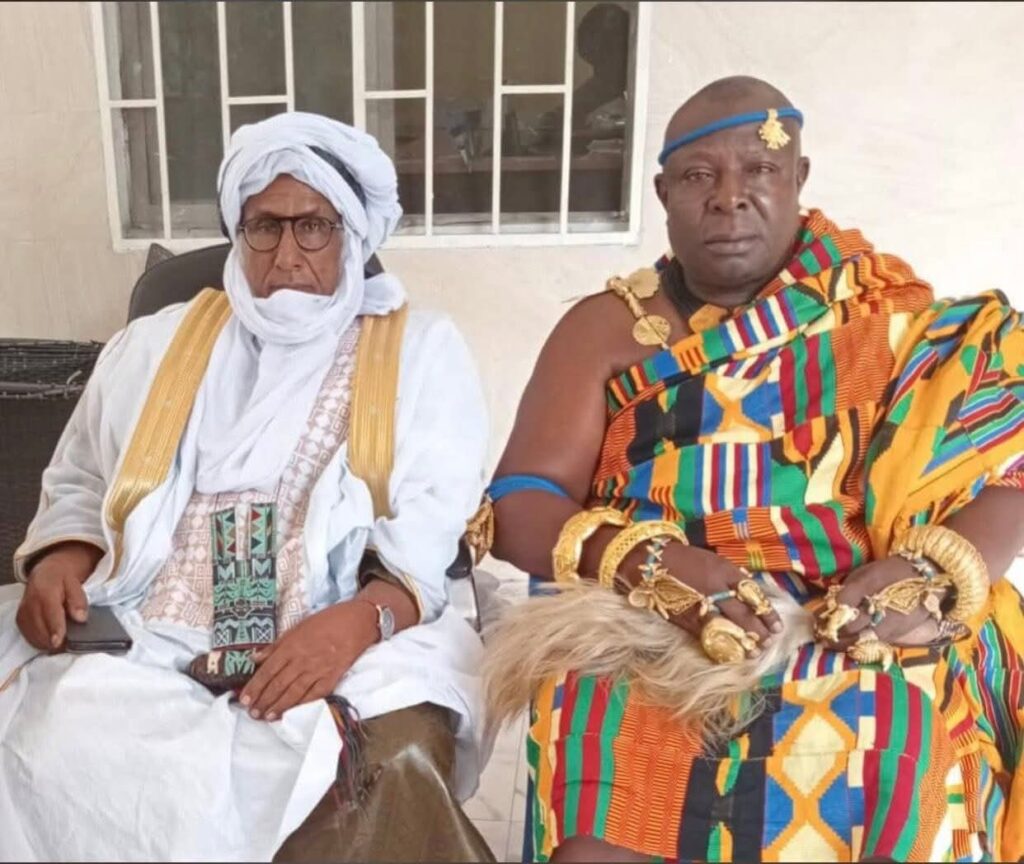
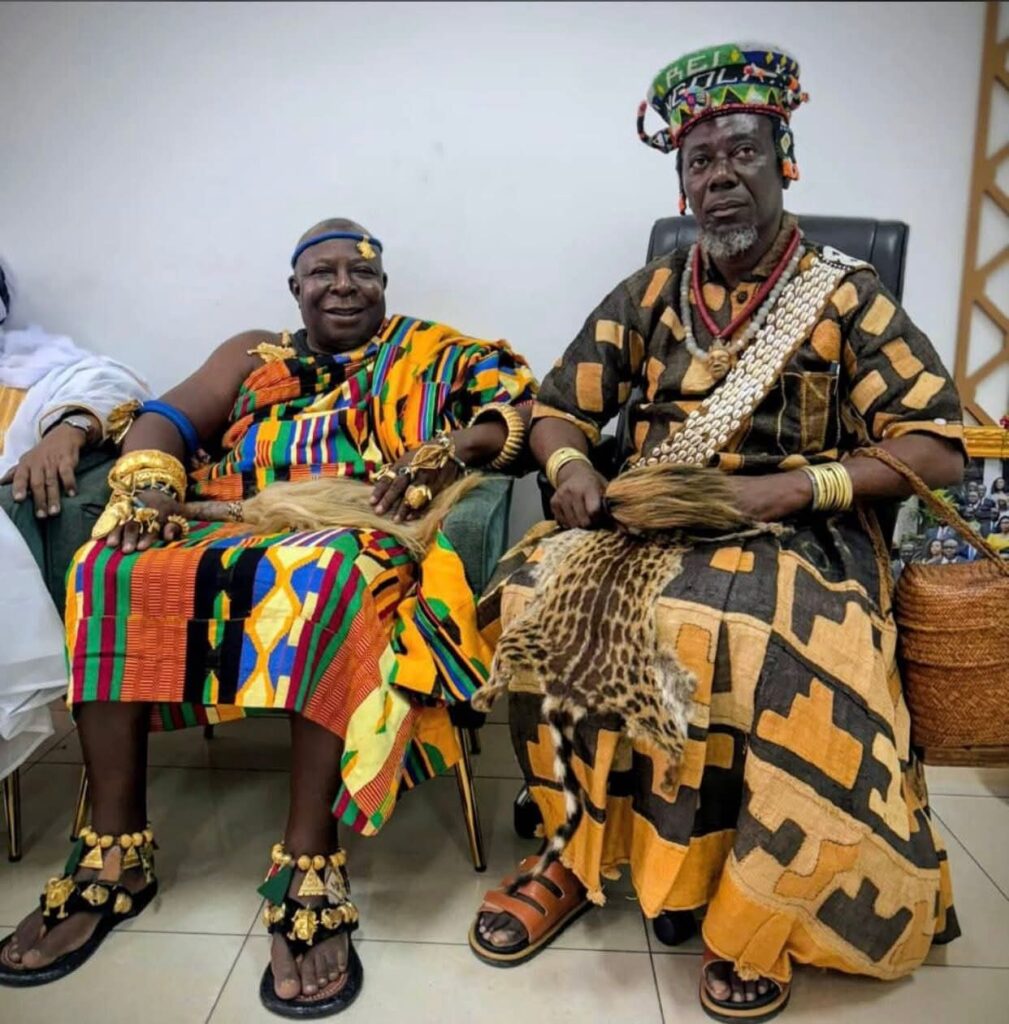
The President of the Forum of Kings, Queens, Sheiks, Sultans and Traditional Leaders of Africa, who doubles as the Paramount Chief and President of the Aflao Traditional Area, Torgbiga Amenya Fiti V, is making a strong case for the meaningful inclusion of traditional authorities in national and continental decision-making processes, arguing that their involvement would strengthen governance, peacebuilding and grassroots development across Africa.
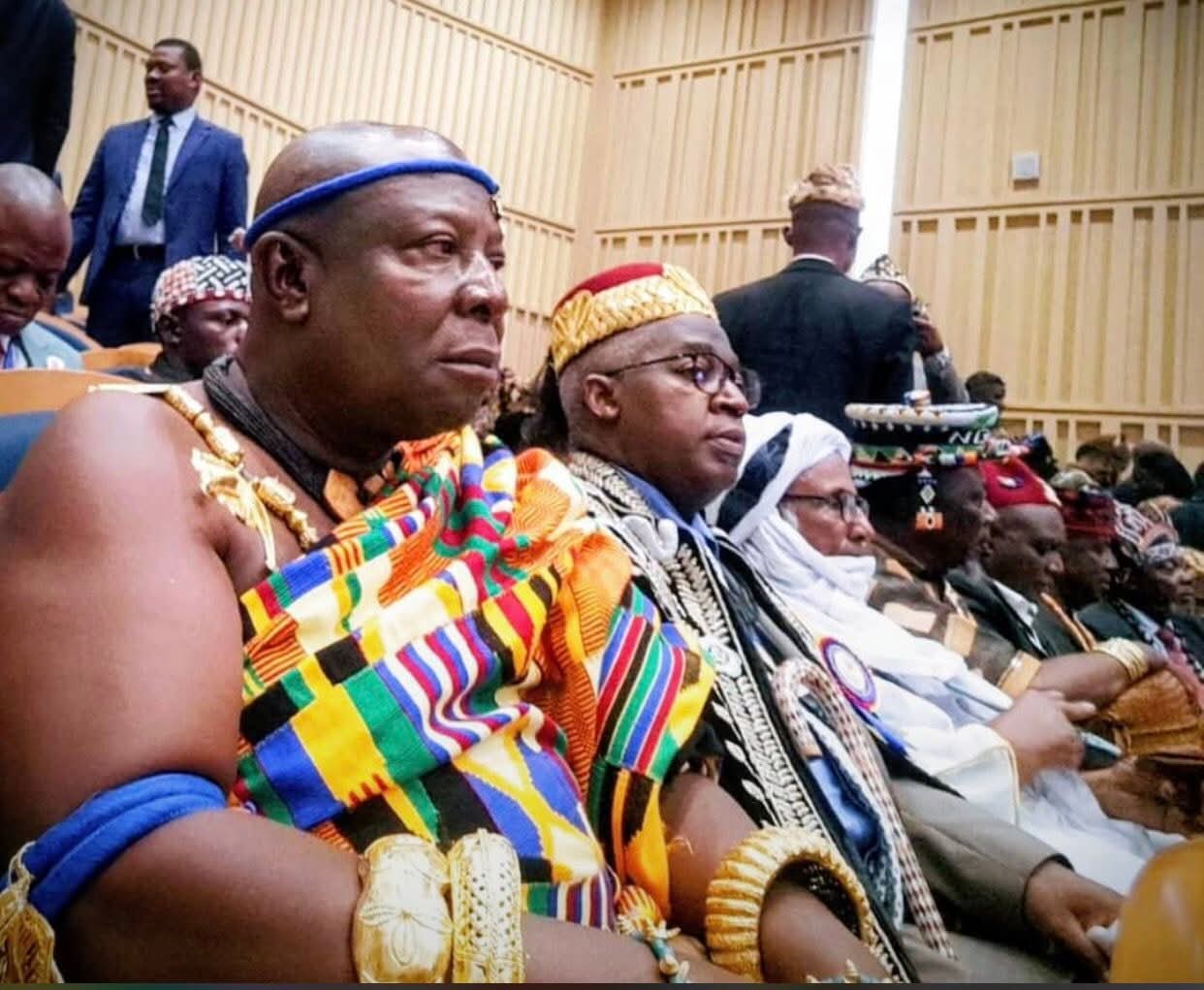
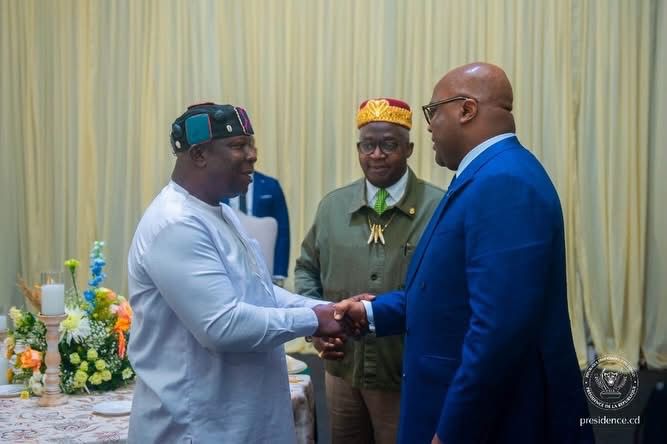
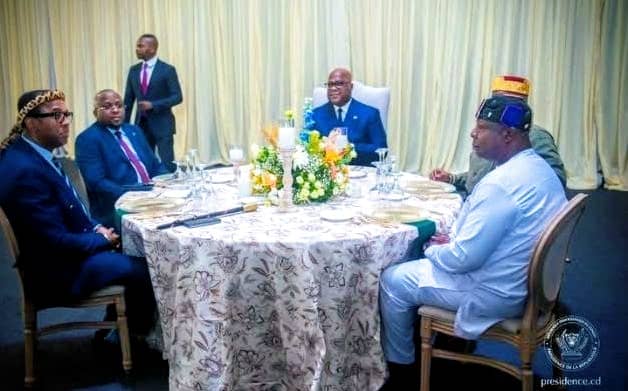
The respected traditional leader was speaking as the special guest of honour at a cultural event held in Kinshasa DRC, Tuesday, March 3, under the auspices of the DRC’s Ministry of Security and Cultural Affairs.
According to him, chiefs and other custodians of customary authority remain influential actors within their communities and must therefore be actively consulted in shaping policies that affect the lives of ordinary citizens.
He said traditional leaders possess deep knowledge of their people, culture and local governance systems, making them valuable partners in policy formulation, conflict resolution and sustainable development initiatives.
“Traditional leaders are closest to the people— We understand the challenges confronting our communities, and our perspectives can help governments design policies that are both culturally appropriate and effective,” Torgbiga Amenya Fiti V noted.
He stressed that across Africa, chiefs continue to command respect and legitimacy among their people, a reality that governments and continental institutions must harness to improve governance outcomes.
The Traditional Leaders of Africa Forum President further urged the African Union to create stronger institutional frameworks that recognise and integrate traditional authorities into continental governance structures.
Per his words, the involvement of chiefs in continental deliberations would help bridge the gap between modern state institutions and indigenous governance systems.
“Development policies often fail when they ignore the social and cultural contexts of the people. Traditional authorities serve as the bridge between the state and the grassroots,” he said.
Torgbiga Amenya Fiti V also pointed out that traditional leaders have historically played critical roles in maintaining peace, settling disputes and preserving cultural identity in many African societies.
He argued that as Africa confronts complex challenges such as climate change, migration, land disputes and youth unemployment, the wisdom and experience of traditional authorities could prove invaluable in crafting long-term solutions.
The call comes amid ongoing discussions across the continent on how to strengthen governance structures and promote inclusive decision-making within national and regional institutions.
Several governance experts have in recent years advocated stronger collaboration between state institutions and traditional leadership structures, particularly in areas such as land administration, environmental management and local conflict resolution.
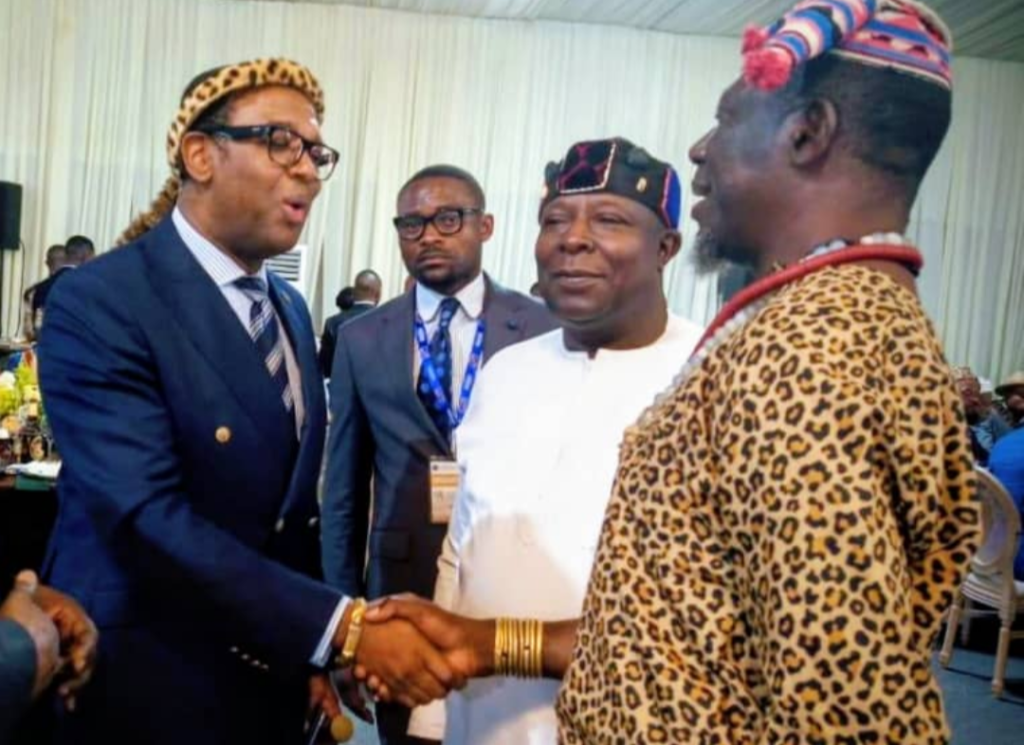
Torgbiga Amenya Fiti V therefore urged policymakers to move beyond symbolic recognition of chiefs and instead establish formal consultative mechanisms that ensure traditional leaders contribute meaningfully to national and continental policy processes.
He concluded that Africa’s development aspirations would be better realised when indigenous governance systems are respected and integrated into modern democratic frameworks.