

By Nelson Ayivor
The Ketu South Municipal Assembly has unveiled an ambitious plan to expand fish farming activities across its lagoons and wetlands, positioning aquaculture as a key driver of job creation, food security and local economic growth.
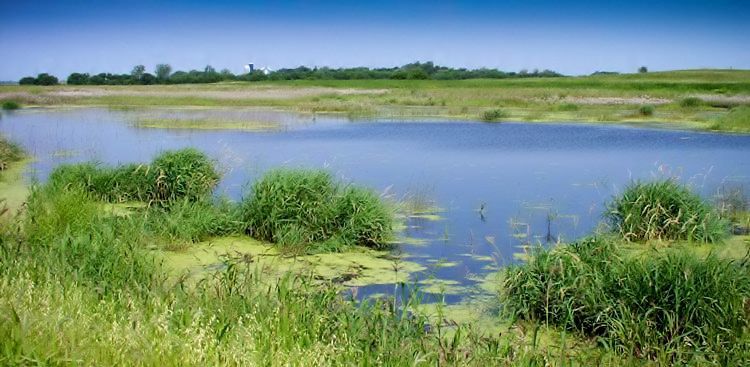
The initiative will harness the vast potential of the coastal lagoons and marshlands that stretch across communities such as Aflao, Adina and Agbozume, transforming underutilised water bodies into productive aquaculture hubs.
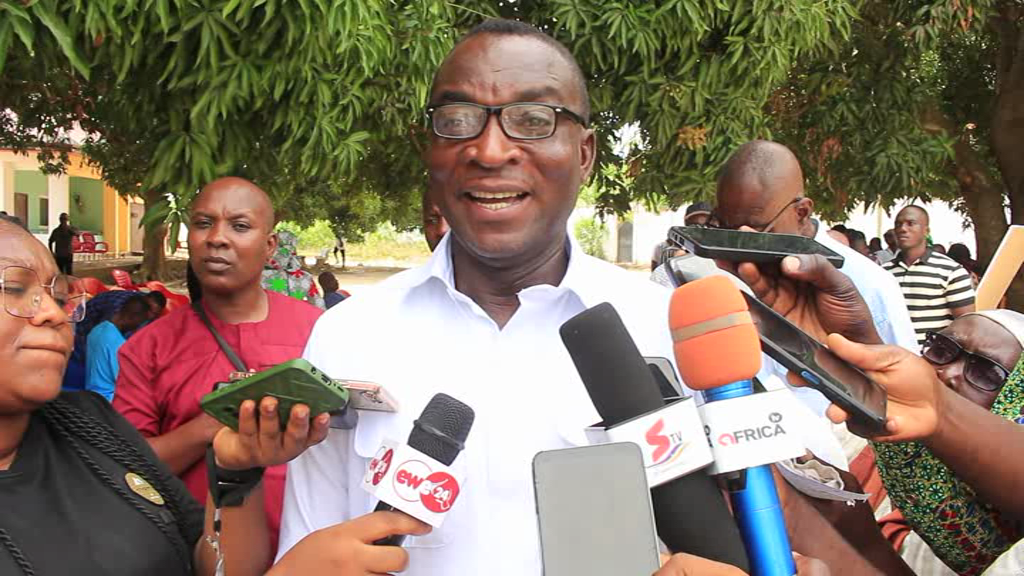
Speaking at a stakeholder engagement, the Municipal Chief Executive, Nicholas Kwabla Worclachie noted that Ketu South’s unique coastal geography presents a natural advantage for lagoon-based fish farming.
“Our lagoons and wetlands are not just environmental assets; they are economic lifelines. With the right investment and training, we can significantly increase fish production and reduce pressure on marine stocks,” he said.
Boosting Local Production
The expansion plan is expected to complement national efforts under the Ministry of Fisheries and Aquaculture Development to promote sustainable aquaculture and reduce fish imports. Ghana continues to import large quantities of fish annually to meet domestic demand, despite growing local production. Officials say the Ketu South initiative will focus on cage culture systems in lagoons, improved fingerling supply, feed support, and technical training for youth and women groups. Particular attention will be paid to tilapia and catfish production, which remain staples in Ghanaian households.
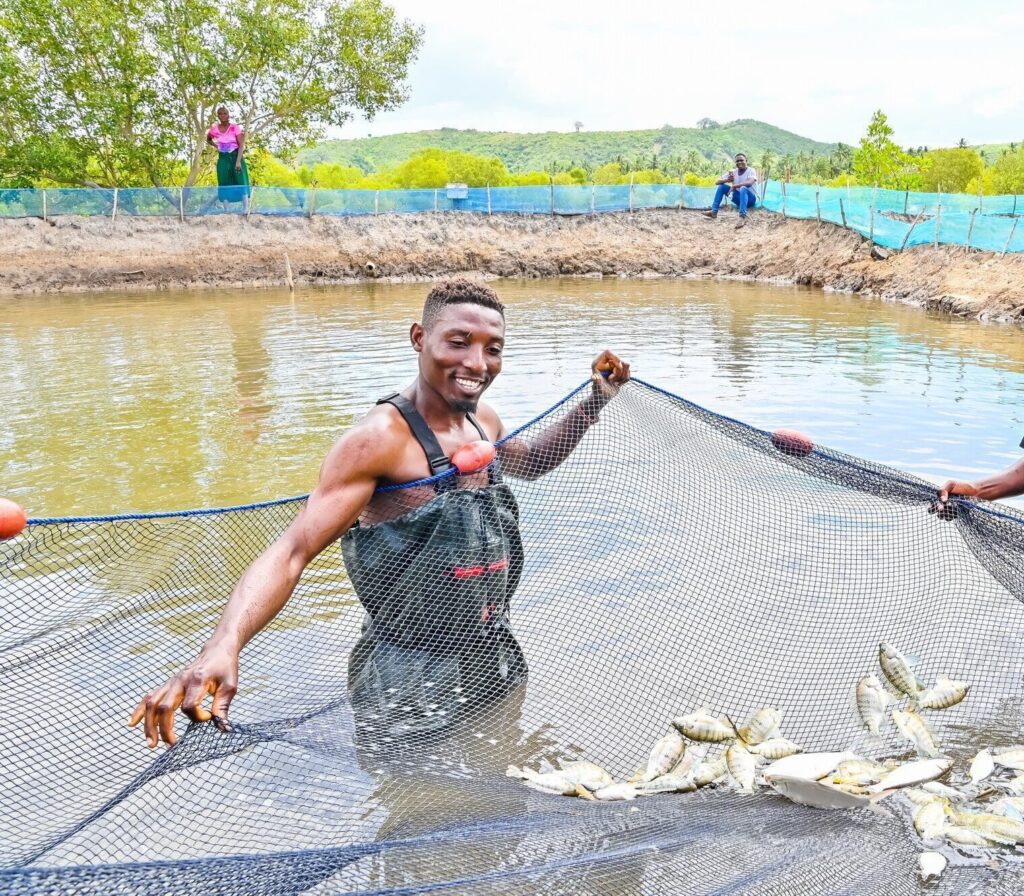
According to municipal agricultural officers, the project will also create alternative livelihoods for fisherfolk affected by declining marine catches and seasonal fishing bans introduced by the Fisheries Commission.
Jobs for the Youth
Youth unemployment remains a pressing concern in many coastal communities. Assembly members believe aquaculture expansion could provide sustainable employment, especially for young people who traditionally rely on artisanal fishing.
“We want to turn job seekers into fish entrepreneurs,” an assembly member for one of the lagoon-adjacent electoral areas stated.
“With structured training and access to starter kits, our youth can own and manage fish cages profitably.”
Local cooperatives are expected to be formed to manage production clusters, improve access to credit, and ensure adherence to environmental standards.
Environmental Safeguards
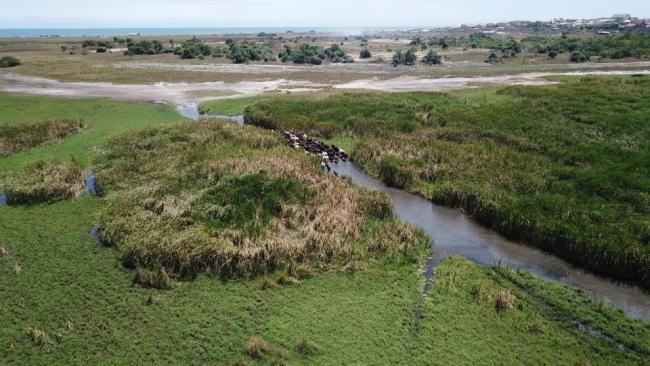
While enthusiasm for the project is high, environmental advocates have called for careful management to prevent degradation of fragile wetland ecosystems. Wetlands in Ketu South serve as breeding grounds for fish species and migratory birds and act as buffers against coastal erosion and flooding.
Municipal authorities have assured residents that environmental impact assessments will precede large-scale installations, and that collaboration with environmental agencies will be prioritised to protect biodiversity.
Regional Impact
If successfully implemented, Ketu South could emerge as a leading aquaculture hub in the Volta Region, reducing dependence on imported fish and boosting incomes in coastal communities.
Traditional leaders in the area have pledged their support, urging residents to embrace modern fish farming practices while preserving communal water bodies.
As Ghana intensifies efforts to strengthen food systems and local production, Ketu South’s lagoon and wetland fish farming expansion could signal a new chapter for coastal development — one where sustainability and economic empowerment go hand in hand.