


By Leo Nelson||TNRGH
Every Easter, one part of Ghana seems to rise above the rest, quite literally. Perched on the breathtaking ridge of the Eastern region, Kwahu transforms into the country’s most magnetic holiday destination, drawing thousands of revellers, tourists, families, adventurers and entrepreneurs into one unforgettable celebration.
It is not just a festival. It is a movement.
From the winding roads leading into the hills to the vibrant nightlife in towns such as Mpraeso, Obomeng, Atibie and Nkawkaw, Kwahu Easter has become one of Ghana’s most important seasonal tourism and business events, a place where music, culture, adventure and commerce all meet under one festive sky.
And this Easter, expectations are once again high.

The annual Kwahu Easter Paragliding Festival, hosted on the scenic Odweanoma Mountain in Atibie, remains the crown jewel of the celebration. Organized by the Ghana Tourism Authority (GTA), the event has grown into one of West Africa’s most recognizable adventure tourism attractions, bringing both domestic and international visitors to Ghana’s Eastern highlands. The tourism authority described the 2025 edition as another major moment on Ghana’s tourism calendar.
That figure captures only one part of the story.
Because every paragliding participant usually comes with more spending attached: transport, accommodation, meals, drinks, photography, local movement, entertainment and shopping. In effect, each visitor becomes part of a much wider spending chain that benefits multiple sectors in the local economy.
And that is why the real value of Kwahu Easter is not measured only in ticket sales, but in its multiplier effect across the district.
A Festival That Sells Ghana to the World
Kwahu Easter also plays a branding role for Ghana.
In a tourism economy where destinations increasingly compete for attention, Kwahu has built something few places can claim: a recognizable national identity tied to a specific season and experience.
Mention Easter in Ghana, and for many people, both at home and abroad, Kwahu is the first image that comes to mind.
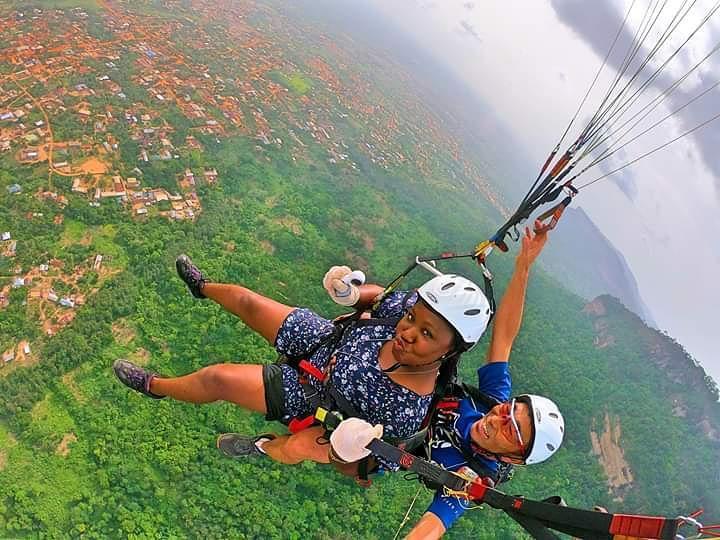
The mountain landscape, cool weather, panoramic views and adrenaline-filled paragliding flights create the kind of visual tourism product that is highly marketable in the digital age. Photos and videos from the ridge flood social media every Easter, turning ordinary visitors into destination ambassadors and giving the area free, organic publicity.
That visibility matters.
It helps position Ghana not only as a heritage and cultural destination, but also as an adventure and lifestyle tourism destination, something the country is increasingly trying to develop through experiences that combine nature, leisure, culture and commerce. The Ghana Tourism Authority has repeatedly described the festival as an international event that attracts tourists to the country and contributes to domestic tourism growth.
Another Beautiful Easter Beckons
This year, the expectation is familiar: that the hills of Kwahu will once again come alive.
That families will make the trip from Accra and beyond. That the music will echo across the ridge. That visitors from outside Ghana will join locals in soaking in one of the country’s most iconic festive experiences. That the skies above Odweanoma will once again fill with colour, courage and cheers.
And below it all, business will hum. Because in Kwahu, Easter is not only celebrated, it is felt, seen, spent, and increasingly, invested in. It is where Ghana goes to exhale.
And it is also where a local economy gets one of its biggest annual lifts.