

By Gideon Amuah | Email – gideon.amuah@gmail.com
Across Ghana’s markets, it is common to find imported rice from Asia, frozen chicken from Europe, and tomato paste from Italy—ironically displayed next to the local versions struggling to sell. The paradox is painful: Ghanaian farmers grow food, but Ghanaians eat foreign. This consumption gap has quietly become one of the biggest barriers to food security. Unless Ghana develops a deliberate policy that links what it produces to what it consumes, the country will continue to lose billions in import bills and rural livelihoods alike.
The truth is simple: food security is not just about producing enough—it is about consuming what we produce. In 2024, Ghana spent over US$3.2 billion on food imports, much of it on staples like rice, chicken, sugar, and vegetables that could be produced locally. Meanwhile, local farmers face gluts, price crashes, and wasted harvests because there is no guaranteed demand for their crops. The disconnect between field and fork has widened, and without a clear national consumption policy, Ghana’s farms risk becoming irrelevant to its own dinner tables.
A new direction is needed—one anchored in the principle of “Made in Ghana, Eaten in Ghana.” This idea is not about protectionism or nationalism; it is about economic sense and survival. When a country depends on others for its daily bread, it surrenders both its currency and its confidence. Every cedi spent on imported food is a cedi not circulating in the local economy. Every Ghanaian meal made from foreign produce is a missed opportunity to strengthen domestic industry.
To change this, Ghana must enact a Local Food Consumption Policy—a structured framework that prioritizes local sourcing across public institutions, retail chains, and hospitality businesses. Just as governments around the world reserve contracts for local companies, Ghana can reserve a share of its food market for Ghanaian farmers and processors. This would not only stabilize farmer incomes but also stimulate investment in food processing, storage, and logistics.
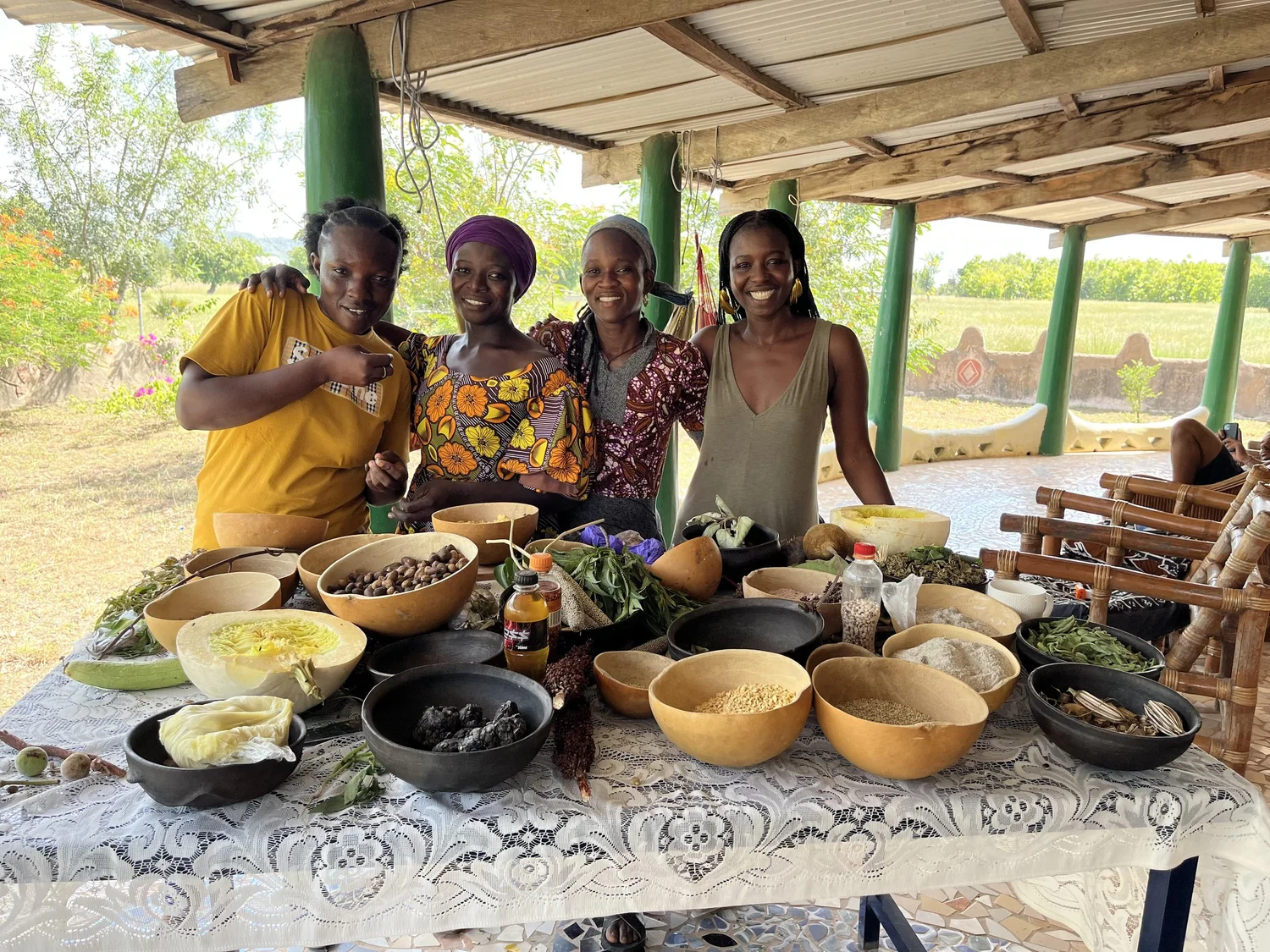
Consider the ripple effects. If public schools, hospitals, prisons, and the military sourced at least 50% of their food locally, the demand would immediately sustain thousands of farming families. If supermarkets and restaurants were incentivized or required to feature Ghana-grown produce, consumer behavior would shift naturally. And if the media and food influencers highlighted local brands with pride, eating Ghanaian would become a cultural norm, not a compromise.
Countries like Kenya and Senegal have already demonstrated how consumption-driven policy can transform agriculture. Kenya’s “Buy Kenyan, Build Kenya” initiative requires public institutions to prioritize locally produced goods, including food. Senegal’s “Eat What We Grow” campaign reduced the importation of rice by boosting demand for local varieties. Ghana can build on these models by launching a nationwide campaign under the Ministry of Food and Agriculture—one that marries policy enforcement with public education.
However, such a strategy requires a few structural adjustments. Local producers must meet quality and safety standards that satisfy both consumers and regulators. Food processing and packaging industries must scale up to meet institutional demand. And, critically, payment systems must be efficient so that farmers and suppliers are not crippled by delayed reimbursements. The success of a local food consumption policy depends on trust and timeliness.
Incentives can also play a powerful role. Tax breaks for businesses that source locally, preferential loans for agro-processors using domestic inputs, and public recognition for institutions that meet local procurement targets could all accelerate change. The goal is not just to grow food—it is to create a national preference for Ghanaian food.
This policy vision aligns with both economic logic and national pride. A country that grows what it eats and eats what it grows builds resilience against global shocks. It keeps wealth circulating within its borders, empowers its rural communities, and gives meaning to agricultural investment. It is how we turn farmers into entrepreneurs, consumers into patriots, and food systems into engines of growth.
When we say “Made in Ghana, Eaten in Ghana,” we are not simply talking about food—we are talking about sovereignty. The plate, after all, is political. It tells a story about who we are, what we value, and how much of our destiny we control. Ghana has the land, the people, and the skill to feed itself. What remains is the will to make it policy.