

Eases Tax Burden Amid Fiscal Reforms
By Prince Ahenkorah
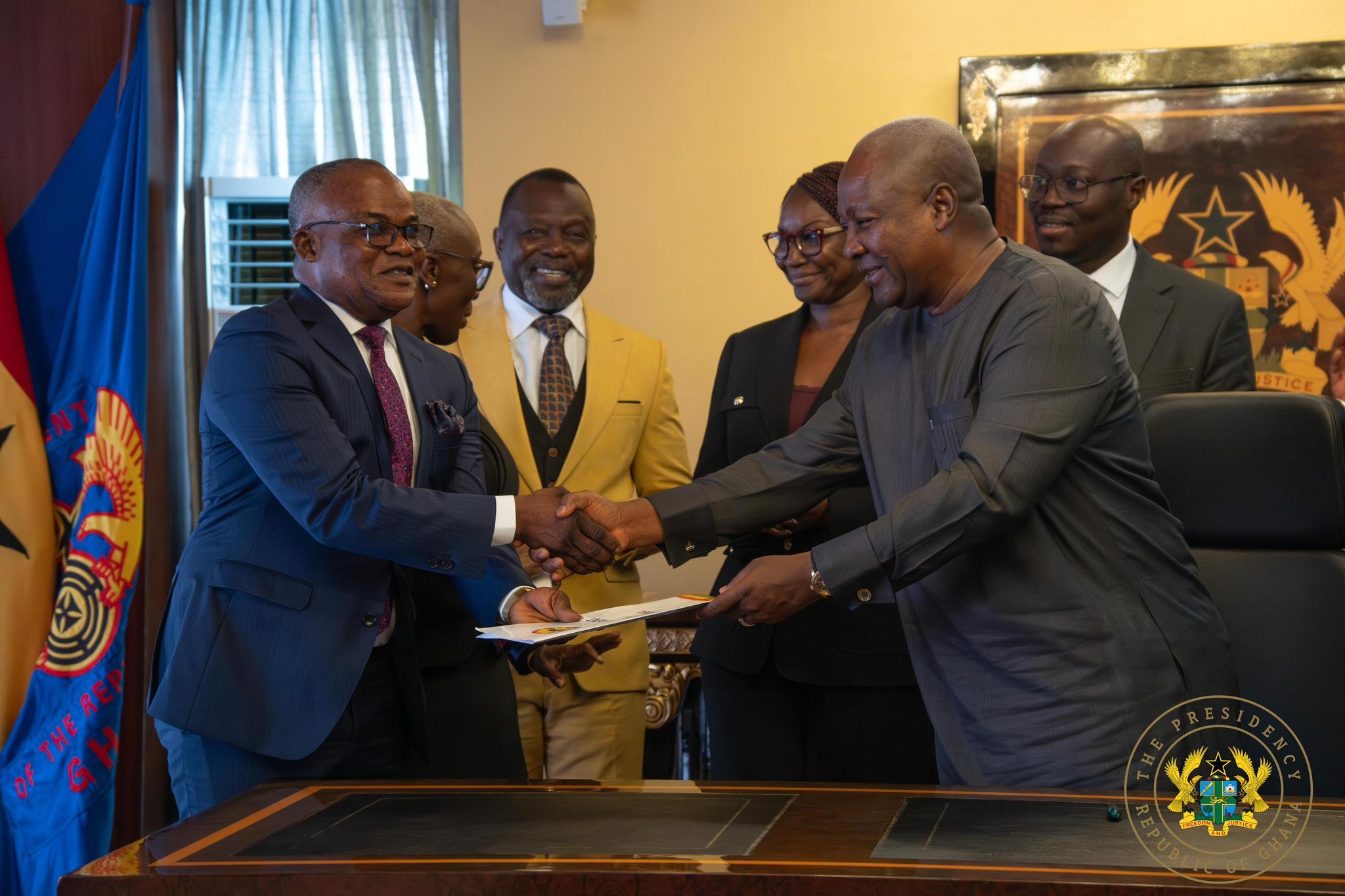
President John Dramani Mahama signed into law the repeal of the COVID-19 Health Recovery Levy Act on Wednesday, scrapping a burdensome 1% tax on goods, services, and imports that had lingered from the pandemic era and drawing praise for lightening the load on households and businesses reeling from economic pressures.
The repeal, effective January 2026, ends the levy introduced in 2021 under Act 1068 by the previous Akufo-Addo-Bawumia administration to fund health system bolstering, virus response costs, and fiscal recovery. It targeted most taxable items, sparing only VAT-exempt goods, and had become a flashpoint for critics decrying it as an outdated drag on growth.
Parliament greenlit the COVID-19 Health Recovery Levy (Repeal) Bill last month, aligning with Mahama’s aggressive push to dismantle “nuisance taxes” and overhaul the tax regime for fairness and efficiency. Finance Committee Chair Isaac Adongo hailed the move as a cornerstone of VAT reforms designed to foster transparency and economic expansion.
The decision will carve out roughly 3 billion Ghana cedis ($190 million) in annual revenue, but Finance Minister Dr. Cassiel Ato Baah Forson countered concerns by vowing that streamlined taxes would ignite business activity and boost long-term collections.
“This isn’t just relief it’s smart economics,” Forson told lawmakers, emphasizing the levy had already raked in about 3 billion cedis yearly over four years.
Opposition Minority Leader Alexander Afenyo-Markin lambasted the government, spotlighting fresh burdens like the Energy Sector Levy and spiking electricity rates that he said crush everyday Ghanaians.
He also slammed a $10 million tax break for Tata Consultancy Services on the Integrated Tax Administration System, calling it favoritism amid public hardship.
Adongo fired back, defending the waiver as a carryover from prior IMF-tied deals and insisting the levy’s sunset serves the public good now that the health crisis has ebbed.
“We collected what was needed now it’s time to let Ghanaians breathe,” he asserted, framing the repeal as a bold step toward equitable recovery in a nation grappling with inflation and debt.
The move caps a year of tax tweaks under Mahama’s administration, signaling a pivot from pandemic-era austerity to growth-focused policies, though analysts warn of revenue shortfalls if economic rebound falters.
Markets reacted positively, with the cedi edging up slightly on news of the signing.