

As Ghana Capitalizes on social media Storm to Drive Textile Exports to Zambia
By Gifty Boateng
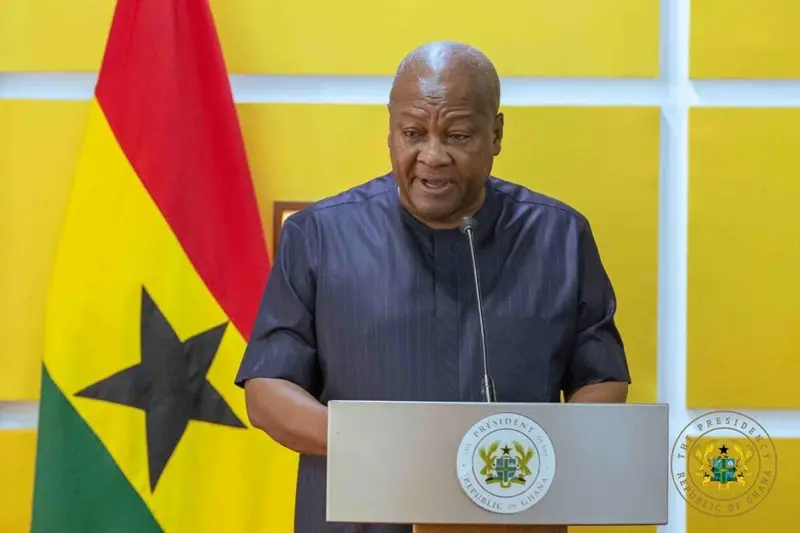
A diplomatic gaffe has become a trade windfall. The Ministry of Foreign Affairs is orchestrating an aggressive export push for Ghana’s iconic fugu and kente textiles, capitalising on the unexpected buzz generated by President John Dramani Mahama’s recent state visit to Zambia.
Foreign Minister Samuel Okudzeto Ablakwa has announced that government will mark the 69th Independence Day celebrations with a series of fairs showcasing the indigenous apparel first in Zambia, where the frenzy began, and subsequently at Ghanaian missions worldwide.
The move transforms what started as social media ridicule into a structured trade initiative with real economic potential.
When President Mahama arrived in Zambia last month, he was adorned in a colourful fugu the northern traditional smock also known as batakari, worn by royals and warriors.
The response from some Zambians on social media was instant and derisive. Ignorant of the garment’s cultural significance, they mockingly labelled it a “blouse,” sparking a fierce online backlash from Ghanaians.
What followed was unexpected. The banter escalated into a continent-wide conversation about Ghanaian textiles. Zambian MPs were seen clad in fugu to promote unity. President Hakainde Hichilema announced he would order fugu for personal use and received one as a gift from Mahama.
The Zambia Revenue Authority (ZRA) swiftly issued guidance that fugu imported for personal use would attract no duties, though consignments for resale would be taxed. Turnover Tax applies if manufactured locally.
The social media storm, Ablakwa now concedes with a smile, was “a blessing in disguise.” Speaking on the sidelines of the 39th African Union Summit in Addis Ababa, he told The New Republic: “We thank those who started this thinking they were trolling our president. It has turned out very well. If we could locate them, we would give them some compensation.”
The Ministry is now moving with uncharacteristic speed to convert online engagement into export orders. Ablakwa revealed that his Zambian counterpart has been persistently demanding supplies. “My counterpart keeps calling me: where can we find the fugu?” he said. Initial attempts to connect Zambian buyers with Ghanaian delivery companies hit a wall “they said the quantity is not there.”
To bridge the supply gap, Ghana will next month mount a dedicated fugu and kente trade exhibition at Zambia’s largest trade exhibition centre. The Zambian government has made the facility available, recognising both the cultural affinity and commercial opportunity.
But Ablakwa is thinking bigger. He has instructed all ambassadors and high commissioners to organise fugu and kente fairs at their posts during this year’s Independence Day celebrations in March.
“This international momentum, we can all ride on it positively,” he said. “It is good for international diplomacy. We should promote Made in Ghana and expose our fabrics and beautiful cultures.”
The Foreign Minister reports that the buzz has cascaded across Africa. At the recent AU Summit, virtually all his counterparts requested fugu presentations at their next meeting. The ECOWAS grouping of foreign ministers has given him a special assignment: provide fugu in their respective national colours for the next regional gathering, and for their presidents too.
“The demand is such that if I had known, I would have come with a truckload,” Ablakwa joked, adding that the mid-year AU summit offers another opportunity to showcase Ghanaian textiles.
The timing aligns with kente’s recent inscription onto the UNESCO Representative List of Intangible Cultural Heritage of Humanity, giving Ghana additional cultural capital to leverage. Kente, predominantly woven in the Ashanti and Volta Regions, and fugu, from the northern traditions, now share global recognition.
Tourism Minister Dzifa Abla Gomashie has already institutionalised “Fugu Wednesdays” to promote national pride and create jobs. President Mahama’s spokesperson Felix Kwakye Ofosu captured the moment aptly on Facebook: “The biggest winner from President Mahama’s state visit to Zambia is the fugu.”
Yet bureaucratic enthusiasm must translate into productive capacity. Ablakwa has thrown down the gauntlet to young entrepreneurs and weavers: “Fugu is in such high demand. I hope the young entrepreneurs, the young weavers, will take full advantage of it.”
The test is whether Ghana’s textile sector can scale up to meet sudden continental appetite. With Zambia’s trade centre booked, missions abroad on standby, and foreign ministers across Africa awaiting their bespoke fugu, the infrastructure of demand is firmly in place.
For a government keen to project soft power and drive non-traditional exports, the fugu moment represents an unexpected gift. The question now is whether Ghana’s weavers can match the momentum with metres of fabric.