

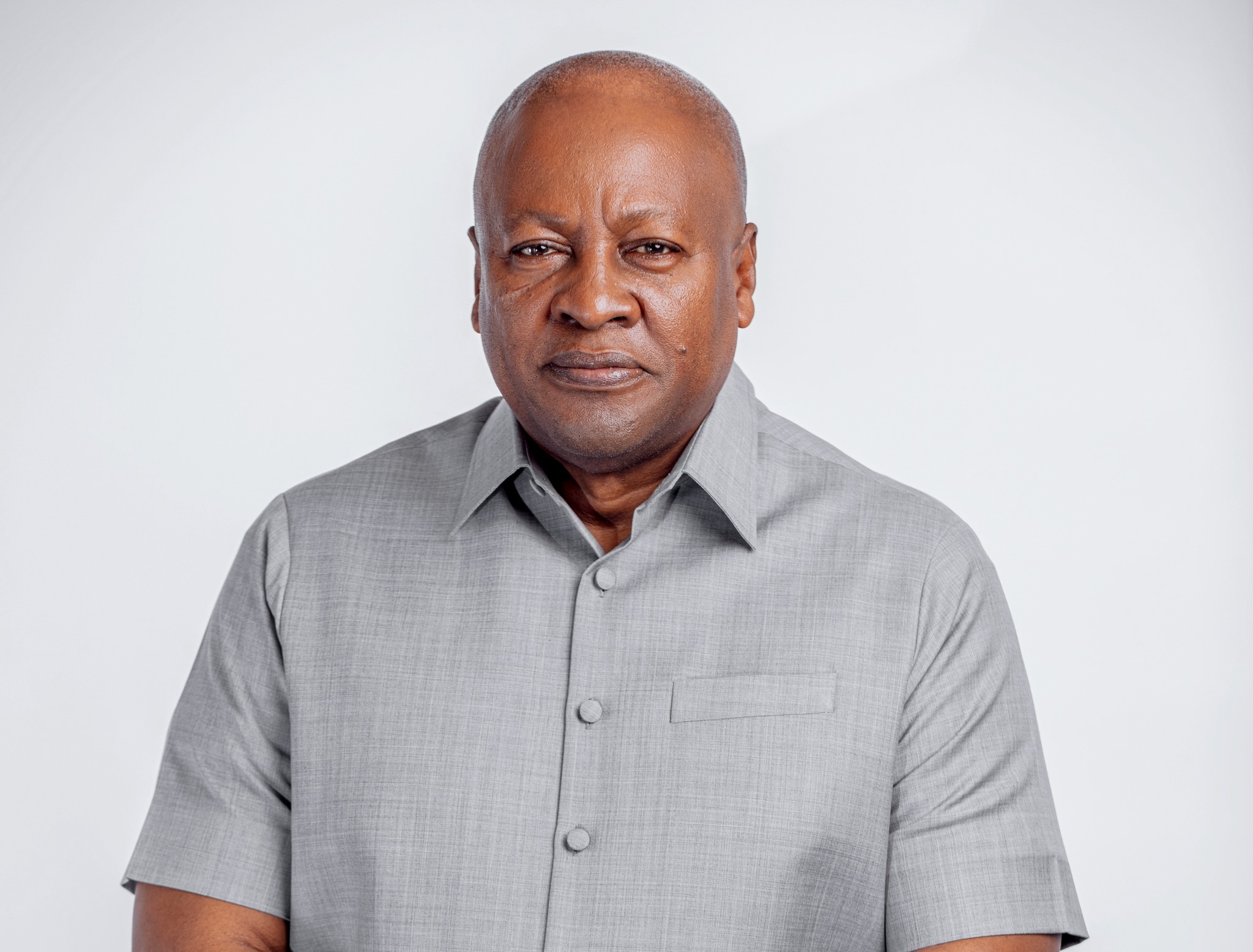
as Global South Pivot Gains Steam
By Prince Ahenkorah
President John Dramani Mahama is taking a central role in a high-profile Global South diplomatic offensive at the World Economic Forum in Davos. Today, 22 January, he will chair the inaugural Davos meeting of the Accra Reset, an initiative positioned as a bold recalibration of how developing nations engage with the international system.
The move signals Mahama’s intent to leverage his restored presidency to position Ghana as a leading architect of a new, more assertive Global South agenda. The Accra Reset, which Mahama leads as head of its Presidential Council, aims explicitly to “enhance sovereign capacity and reshape international cooperation” in an era defined by fragmentation and crisis.
Conceived against a backdrop of “rising geopolitical rivalries, declining reliance on foreign aid, increasing trade tensions, and multiple crises,” the initiative seeks to move beyond rhetoric to concrete collaboration. Its Davos debut is designed to capture the attention of the global financial and political elite assembled in Switzerland.
The side event has attracted a formidable roster of African heavyweights, underscoring its pan-continental ambitions. Current leaders expected include Egypt’s Abdel Fattah El-Sisi, Kenya’s William Ruto, and DR Congo’s Félix Tshisekedi. Nigeria will be represented by Vice President Kashim Shettima, and Papua New Guinea’s Prime Minister James Marape will also attend, highlighting a Pacific dimension.
Perhaps more telling is the involvement of the “Guardians Circle,” a council of esteemed former leaders including Nigeria’s Olusegun Obasanjo, New Zealand’s Helen Clark, Mauritius’s Ameenah Gurib-Fakim, and Liberia’s Ellen Johnson-Sirleaf. Their participation lends the project gravitas, continuity, and a network that transcends incumbent politics.
For President Mahama, the Accra Reset is a strategic extension of his domestic “Resetting Ghana Agenda.” In linking the two, he frames national recovery as inextricably tied to a more equitable global architecture. He has consistently argued that “true sovereignty” is not just a legal concept but a functional one, built on internal reform and leveraged through strategic South-South and intra-African partnerships.
The Davos meeting is expected to begin rolling out priority programmes, building on momentum from the initiative’s unveiling at the 2025 UN General Assembly and its endorsement at the G20 Leaders’ Summit in Johannesburg. The focus is anticipated to be on practical areas like climate-resilient infrastructure financing, technology transfer, and collective bargaining on critical minerals and trade.
The Accra Reset arrives as traditional multilateral systems are strained. It represents an attempt by middle-power nations, led by Ghana, to craft a proactive, unified platform rather than merely reacting to the agendas of larger blocs. Its success will depend on its ability to translate high-level consensus into actionable projects that deliver tangible benefits for member states.
For Mahama, a successful launch in Davos would bolster his international stature as a statesman and thinker, potentially attracting investment and diplomatic capital back to Ghana. It also allows him to shape a legacy-defining project that positions Africa not as a supplicant, but as an architect of its own destiny in a turbulent world. The eyes of the Global South will be watching to see if this “Reset” can move from powerful concept to effective coalition.