

—but only the suits need apply
By PrInce Ahenkorah
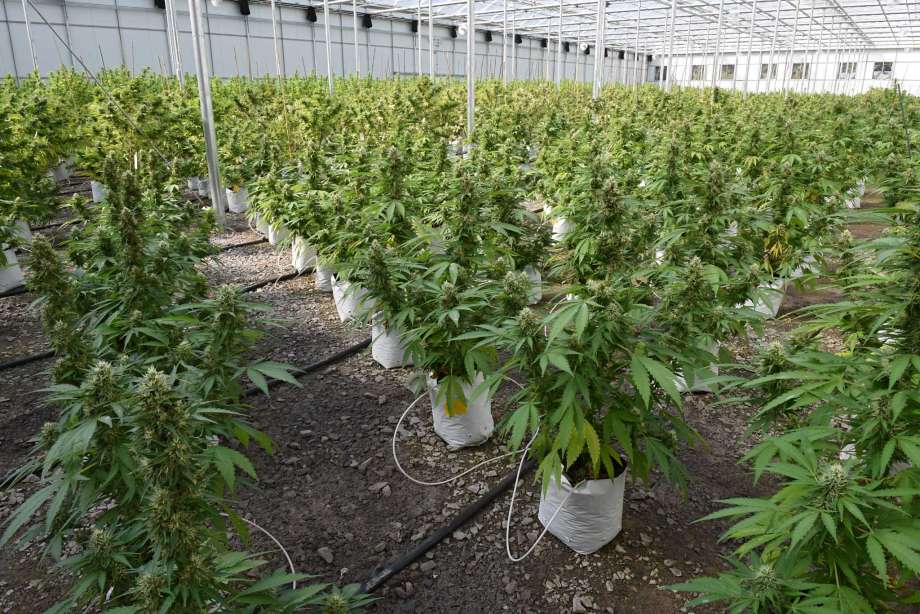
NACOC, Ghana’s Narcotics regulator is moving to turn a formerly illicit plant into a licit commodity, unveiling a licensing regime for low-THC cannabis cultivation aimed squarely at industrialists and pharmaceutical players not farmers with ancestral claims to the crop.
The Narcotics Control Commission will begin issuing permits for the growing and processing of cannabis containing no more than 0.3% tetrahydrocannabinol, following parliamentary approval of a tightly circumscribed regulatory framework.
The plant, known locally as ‘Ntampe’ and long associated with underground use, is being formally rebranded as an economic asset.
But officials are taking pains to manage expectations and to choke off any back-channel dealing.
Francis Opoku Amoah, acting director of public affairs and international relations at NACOC, stressed that applicants must deal directly with the Commission’s Cannabis Regulations Department.
No intermediaries. No private facilitators promising shortcuts. Only officially sanctioned procedures will be recognised.
The message is unmistakable: this is not a free-for-all.
Qualified entities must demonstrate robust security protocols, end-to-end product traceability, and rigorous quality assurance systems. The threshold for entry is deliberately high. NACOC is signalling that it wants serious corporates with compliance budgets, not smallholders betting on a green rush.
The Commission will coordinate oversight with the Ministry of Interior, Ghana Standards Authority and Food and Drugs Authority a multi-agency architecture designed to sanitise a sector long viewed through a criminal lens.
What the announcement does not say is equally telling. There is no mention of traditional cultivators, no pathway for the rural growers who have kept the plant alive in the cultural memory. The licensing regime is silent on indigeneity, inheritance, or customary rights.
Recreational use remains illegal. That red line has not moved. But the commercial cultivation of low-grade cannabis for export-oriented medicine and industrial fibre is now very much on the table.
Whether Ghana can build a legitimate cannabis industry from scratch and keep illicit operators out is the unspoken question hanging over the rollout. NACOC is betting that paperwork, permeter fences and product tracking will suffice. The next few licensing cycles will put that thesis to the test.